Ford Differential Fluid Guide: Escape, Edge, Explorer, Expedition, Ranger and Mustang
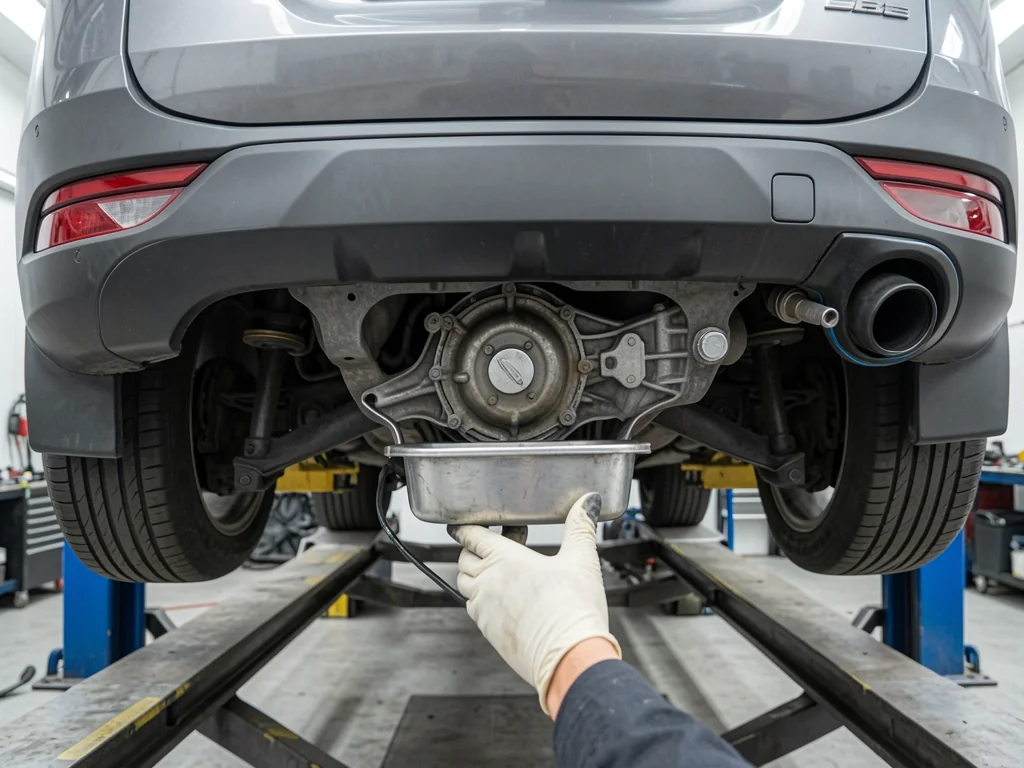
Maintaining Ford differential fluid is key to protecting the rear drive unit, axles, and all-wheel-drive hardware in vehicles like the Escape, Edge, Explorer, Expedition, Ranger, and Mustang. The correct gear oil depends on the model, drivetrain, and axle type, and using the wrong product can lead to noise, premature wear, or limited-slip chatter. This guide covers how Ford specifies gear oil, when service is needed, and the signs that call for a closer look.
How Ford Differential Fluid Specifications Work
Ford lists differential lubricants by a material specification and viscosity grade rather than a single brand name. The owner’s manual or workshop information is the authoritative source for each vehicle, because requirements can vary between a standard rear differential, a rear drive unit (RDU), and a power transfer unit (PTU) on AWD crossovers. Always confirm the correct spec before purchasing fluid.
Limited-slip differentials often need a friction modifier, either added separately or already blended into the gear oil. Without the right additive, drivers may experience chattering or binding during tight turns. Confirm whether the axle requires a friction modifier by checking the VIN, build details, or a Ford dealer, since model year, axle type, and drivetrain can change the fluid requirement.
Ford Escape Rear Differential (Rear Drive Unit) Fluid and Changes
Only all-wheel-drive Ford Escape models have a rear drive unit; front-wheel-drive versions have no rear differential fluid to service. For AWD Escapes, including the 2017 and 2020 model years, the correct RDU fluid is listed in the owner’s manual or a Ford parts lookup. Using the proper gear oil viscosity and specification helps the rear drive unit transfer torque smoothly without overheating or excessive wear.
A fluid change on the Escape RDU begins with safely supporting the vehicle and removing the fill plug before the drain plug. After draining the old lubricant, refill with the correct fluid until it reaches the bottom of the fill hole, then reinstall and torque the plugs to the service information specifications. The maintenance schedule may list RDU service only for certain operating conditions, such as towing or sustained high speed, so check the official schedule. Leaks near the rear drive unit, whining noises, or a clunk when accelerating call for professional inspection.
Ford Edge AWD Rear Differential Fluid
On an all-wheel-drive Ford Edge, the rear drive unit is separate from the transmission and the front power transfer unit. Each component has its own fluid requirement, so the RDU lubricant cannot be substituted with transmission fluid or PTU fluid. For the 2020 Edge, the fluid type and fill level procedure are found in the owner’s manual or through a Ford dealer using the VIN to ensure the correct specification.
Severe-service conditions like towing or extended high-temperature operation may shorten the recommended fluid change interval. Owners should inspect the RDU for seepage around the seals and fill or drain plugs and listen for unusual noise from the rear during acceleration or coasting. These checks can reveal obvious leaks or obvious noise changes, but they cannot confirm internal wear or the exact fluid condition without draining a sample.
Explorer and Expedition Differential Fluid Changes
Ford Explorer and Expedition differential fluid requirements vary widely by generation and drivetrain. Explorer has used both front-wheel-drive-based and rear-wheel-drive-based platforms with 2WD, 4WD, and AWD layouts, so the rear axle or rear drive unit fluid depends on the specific vehicle. The Expedition may also have a front differential and a transfer case, each with its own fluid type and service entry in the maintenance schedule.
A differential fluid change typically involves draining the old gear oil, cleaning the mounting surface, and refilling with the correct lubricant. Some axles use a cover gasket or sealant instead of a drain plug, requiring the cover to be removed. Towing, off-road use, or water crossings can justify inspecting the fluid sooner than the normal interval. If the drained fluid looks milky, smells burnt, or contains heavy metallic debris, professional service is recommended to diagnose the source.
Ford Ranger Rear Differential Fluid
Ford Ranger rear differential fluid selection starts with identifying the specific axle. Older and newer Ranger generations use different rear axles, so owners should check the axle tag on the differential housing or use the build data from the VIN. The fluid requirement may also depend on whether the axle is a conventional open differential, a limited-slip unit, or equipped with an electronic locking differential. Limited-slip axles typically need a gear oil with friction modifier.
Four-wheel-drive Rangers also have a front differential and a transfer case, each requiring its own lubricant, but the rear axle is usually the primary service point. The fill level is checked at the fill plug; the correct level is typically when fluid is even with the bottom of the hole. Towing, carrying heavy payloads, or off-road driving may trigger severe-service guidance in the owner’s manual, which can recommend more frequent fluid changes.
Ford Mustang Differential Fluid
The correct Ford Mustang differential fluid depends on the generation, the rear axle type, and whether the car has a limited-slip differential. Some Mustang axles require a friction modifier to prevent clutch chatter during tight turns. Owners should confirm the specification with Ford documentation, a dealer, or the axle tag, because using the wrong gear oil viscosity can affect limited-slip engagement and long-term durability.
Track use, drag launches, or hard street driving generate extra heat and stress in the rear axle, so checking the fluid more often is wise. Symptoms like chatter when turning sharply, a whine that changes with speed, or a clunk when shifting from reverse to drive may suggest low fluid, incorrect lubricant, or internal wear. A professional diagnosis is needed to confirm the cause, since these symptoms can overlap with other driveline issues. Owners looking for axle capacity details should consult the separate 8.8 axle guide.
Warning Signs and When to Have a Ford Differential Professionally Checked
Unusual noises from the rear of a Ford can indicate differential problems. A gear whine that rises with road speed, a clunk when accelerating or decelerating, or a vibration felt through the seat or floor may point to low fluid, wrong lubricant, or bearing wear. Fluid spots under the rear axle or a burnt smell after a drive are also worth investigating. These signs mean the differential should be checked, but they do not identify the exact failed part.
The color, smell, and debris in drained gear oil offer clues but not a complete diagnosis. Dark or burnt-smelling fluid suggests overheating or extended service intervals, while a metallic sheen or heavy flakes can indicate gear or bearing damage. A small amount of very fine material on a magnetic drain plug is often normal as components wear in. Never work under a vehicle supported only by a jack; internal inspection, seal replacement, and noise diagnosis should be left to a professional. Using the wrong fluid or skipping a required friction modifier can cause drivability complaints, so a shop should verify the specification before refilling.