Ford Diesel Glow Plug Selection: Fitment, Features and Real Costs
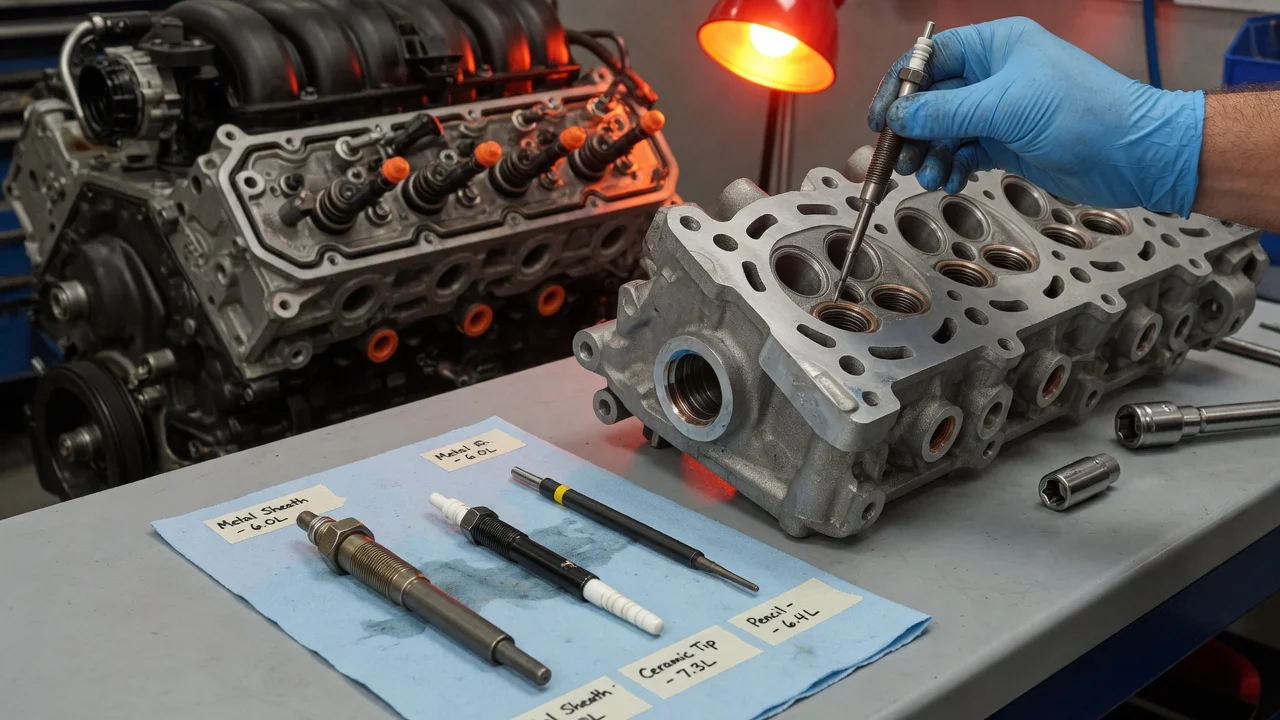
Choosing glow plugs for a Ford diesel looks simple until you find that thread reach, voltage rating and the control system all have to match the engine. A wrong plug can heat slowly, burn out early or sit at the wrong depth in the cylinder. This guide covers how to define what you need, confirm fit, weigh features honestly and build a shortlist. It also covers ruling out fuel-system faults that cause the same hard-start symptoms.
Define the job the glow plugs must do
Glow plugs only apply to diesel engines; gasoline Ford engines use spark plugs and have no glow plug circuit. On a diesel, the plugs preheat the combustion chamber so compressed air gets hot enough to ignite fuel during a cold start. Many newer Ford diesels also keep the plugs powered for a short period after the engine fires, which helps reduce white smoke and rough running while the engine warms. Your practical requirements depend on how the vehicle lives. A truck parked outside through northern winters leans on its glow system every morning. A truck kept in a garage in a mild climate may rarely show a weak plug. Also consider your constraints: budget, whether you will do the work yourself, and whether you plan to replace one failed plug or a full set.
Before buying anything, confirm the symptoms actually point to glow plugs. Typical signs are hard starting when cold, heavy white smoke, a rough first minute of idle, an illuminated glow plug or engine warning light, and stored glow plug circuit codes. Fuel problems can look very similar. A restricted fuel filter, air entering the supply side, a weak low-pressure fuel pump, insufficient fuel pressure in the high-pressure system or a leaking injector can all cause long cranking. Gelled or waxed fuel in cold weather produces the same complaint. If the engine also starts hard when fully warm, glow plugs are unlikely to be the main cause.
Check compatibility with your engine
Start with the exact engine, not just the vehicle model. Ford has fitted several different diesels to its trucks and vans, and the displacement and model year determine the correct plug. Engine configuration sets the count: a V8 Power Stroke uses eight plugs, while the 3.0L V6 uses six. A VIN-based parts lookup is the most reliable way to avoid confusion between similar years or mid-year changes. The physical specifications that must match include thread size and pitch, overall length and reach into the chamber, tip diameter and shape, hex size, and terminal style. A plug that is too long or too short changes where the heated tip sits, which affects starting and can risk contact with internal parts.
Electrical compatibility matters as much as physical fit. Older 7.3L engines switch the plugs through a relay, while later Power Stroke engines use a glow plug control module that manages heating time and, on many versions, monitors individual circuits. The plug's voltage rating, resistance and heating behavior need to suit that control strategy. A mismatched plug can set circuit fault codes, heat too slowly or overheat and fail early. Do not mix plug types or brands across cylinders, and inspect the harness connectors while you are in there, since corroded or damaged terminals cause failures that new plugs will not fix.
Features that affect the choice
The main construction choice is metal sheath versus ceramic. Ceramic plugs generally tolerate higher temperatures and can heat quickly, but they cost more and are only appropriate where the engine and its controller are designed for them. Metal sheath plugs are common, less expensive and suit many applications. Treat fast-heating claims carefully: faster heating is only useful if it stays within what your engine's control system expects. Pick the type the original part specifies unless a reputable manufacturer documents a direct, compatible replacement.
Separate marketing labels from useful evidence. Words like performance, extreme duty or long life describe nothing measurable on their own. Useful evidence includes a published cross-reference to the Ford original part number, stated specifications such as voltage, thread and length, clear warranty terms, and consistent manufacturing across a set. Buy from sellers that can show genuine packaging and part numbers. Prices far below the usual range for a known brand can signal counterfeit parts, which are a particular concern for components that sit inside the combustion chamber.
Limitations and ownership costs
Labor often costs more than the plugs. Depending on the engine, access may require removing valve covers, heat shields or other components in tight spaces. Plugs that have been in place for years can seize from carbon buildup, and a swollen tip or snapped body can turn a simple job into a cylinder head extraction. Follow the service procedure for your engine: removal temperature, penetrating oil, thread cleaning, any specified thread compound and the correct installation torque. Because access is the expensive part, replacing the full set at once is often sensible when one plug has failed on a high-mileage engine.
Glow plugs cannot compensate for other faults. They will not fix low fuel pressure, a failing fuel pump, worn injectors, air leaks, low compression or weak batteries. Batteries deserve attention because the glow system draws heavy current during preheat. The control module or relay can also be the failed part rather than the plugs. Fuel type matters too: use the correct ultra-low sulfur diesel and a winter blend in cold climates. Anti-gel additives can help prevent waxing, but they are not a proven repair for failed plugs, injectors or pump problems.
Diesel fuel systems run at very high pressure, and escaping fuel can penetrate skin. Do not loosen high-pressure lines to check for flow, and never search for leaks with your hand. A visual leak check with the engine off and cooled is reasonable for owners. Any work on the high-pressure side should follow the manufacturer's service procedure.
Build a practical shortlist
Use a short checklist before you order. Confirm engine displacement, model year and VIN-based fitment. Match the Ford original part number through a documented cross-reference. Verify thread, length, terminal style and voltage rating. Count the plugs your engine configuration needs and buy a matched set from one brand. Check the relay or control module and harness for faults. Rule out fuel causes first: consider fuel filter age, perform a visual leak check, review fuel pressure readings, and look at injector balance or fuel trim data where your scan tool supports it. Finally, budget for labor and the possibility of a seized plug.
Narrow the field to two or three candidates. These might be the Motorcraft part, which is Ford's own parts brand, and one or two aftermarket options with clear cross-references and specifications. Compare price per set, warranty coverage, availability of the full quantity you need and the seller's credibility. The right choice is the plug that matches your engine's specifications and control system, not the one with the boldest label.