Ford Bronco Sport Brake Noise, Including in Reverse
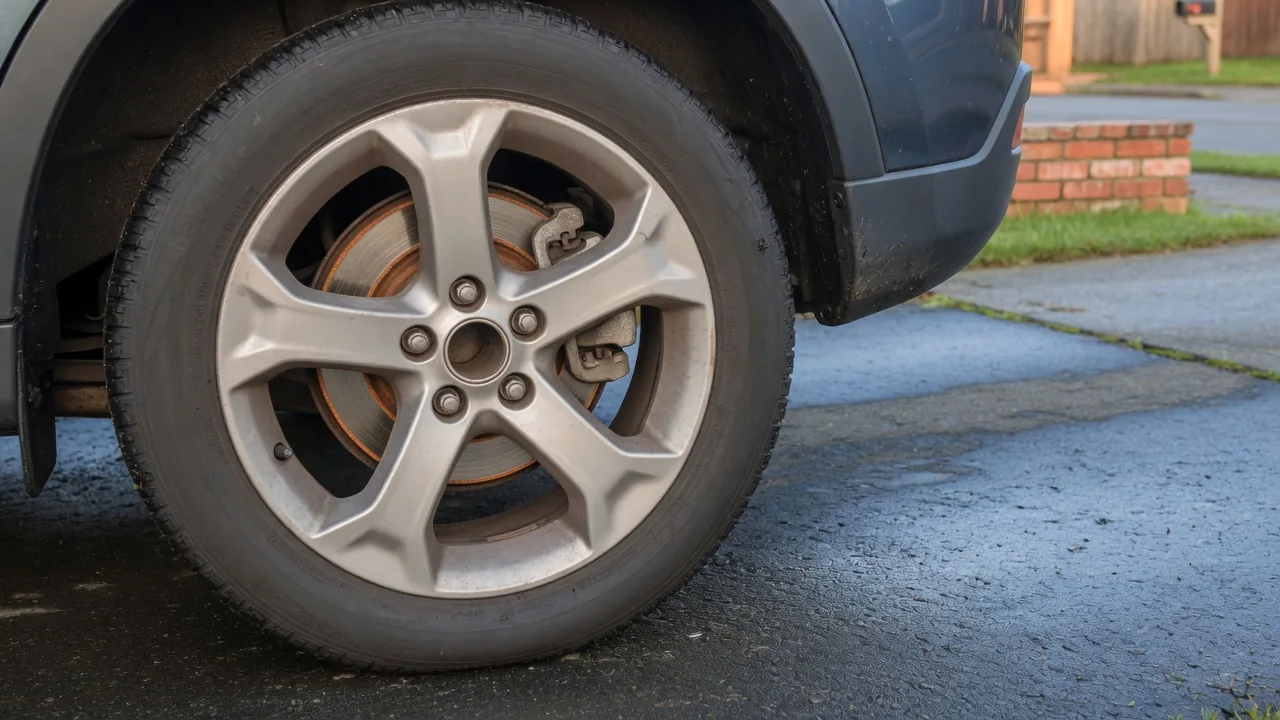
Brake noise can turn a quiet drive into a source of worry, and Ford Bronco Sport owners often report sounds that are especially noticeable in reverse. From a light rear squeak to a metallic scrape on the first stop after rain, these noises usually trace to how pads, rotors, and hardware interact under changing loads. Understanding the common causes helps owners decide when a sound is harmless surface rust and when it signals worn parts that need a hands-on inspection.
Common Brake Noises Bronco Sport Owners Describe
Owners describe several distinct brake sounds on the Bronco Sport. A high-pitched squeal or squeak often points to pad vibration, pad material, or a thin wear indicator contacting the rotor. A deeper grind or groan can mean the friction surface is worn down to the backing plate, or that corrosion is being scraped away. A click or clunk when first applying the brakes may come from pad shift in the caliper bracket or loose hardware, while a rhythmic scrape suggests rotor runout or debris trapped between the pad and rotor.
Not every brake noise means a repair is needed. Moisture from rain or washing can leave a thin layer of surface rust on the rotors, producing a soft scrape for the first few stops until the pads clean it off. Pad compounds also vary, and some semi-metallic formulations squeak mildly when cold. The timing matters: a noise only on cold, damp mornings or after the vehicle has been parked is often benign, but a sound that continues during every stop at low speed, or that worsens with pedal pressure, deserves attention. A sound alone cannot confirm a cause, so a proper inspection is the only way to be sure.
Why Bronco Sport Brakes Can Make Noise When Reversing
When a Bronco Sport shifts from drive to reverse, the brake pads can move slightly within their caliper brackets. Most disc brake systems allow a small amount of clearance so the pads can slide as the rotor changes direction. This movement may create a single click or clunk the first time the brakes are applied in reverse. If the anti-rattle clips are missing, worn, or lose tension, the pad has more room to shift, making the sound louder and more repeatable. Dry slide pins can also prevent the caliper from centering smoothly, increasing pad noise at low reversing speeds.
Rotor surface rust is another common reason for reverse brake noise. After sitting overnight, especially in humid conditions or after washing, a fine layer of oxidation forms on the rotor face. When the driver backs out of a driveway and applies light pressure, the pads scrape this rust away, producing a low groan or grinding sound that disappears after a few stops. Glazed pads, which develop a hard, shiny surface from heat cycling, can also squeal more in reverse because the friction characteristics change at low speed and light pedal force. If the noise happens only on the first reverse stop after parking, it is likely harmless; if it continues every time the vehicle moves backward, a closer look at the hardware and friction surfaces is needed.
Rear Brake Noise on the 2021 Bronco Sport
On the 2021 Bronco Sport, some owners notice rear brake noise more than front noise. The rear brakes handle less of the stopping force, so the pads may not get hot enough to burn off moisture and light debris, allowing a glaze or rust layer to build up. Rear calipers and pad designs can also trap dirt and grit from the road, which grinds against the rotor until it clears. The first model year may have different pad compounds or hardware specifications than later versions, but without confirmed technical data, the rear noise should be evaluated as a general brake issue rather than a known defect.
The rear brake system on a Bronco Sport may include an electronic parking brake, depending on the vehicle's equipment. This mechanism can add moving parts inside the caliper that need to be checked for proper operation and lubrication. If the electronic parking brake motor or its actuator is sticky, it might cause a groan or scrape when the vehicle first moves, especially in reverse. Owners with a noisy 2021 model should ask their dealer to run the vehicle's VIN to see if any technical service bulletins apply. Bulletins are issued for specific build dates and equipment combinations, so a VIN check is the only way to know if a particular update or repair procedure is relevant.
Full-Size Ford Bronco Brake Noise Is a Separate Case
The full-size Ford Bronco and the Bronco Sport share a name and some styling cues, but they are built on completely different platforms with different brake hardware, wheel sizes, and suspension designs. A noise complaint documented on one model cannot be assumed to apply to the other. Full-size Bronco owners should not expect fixes or diagnoses for the Bronco Sport to translate directly, and vice versa. The brake calipers, rotors, and pad materials are not interchangeable, and the electronic systems may operate differently.
That said, a few general factors affect both vehicles. Larger or more aggressive aftermarket tires add rotating mass and can change how the brakes sound under load. Driving through mud, water, or deep dust introduces abrasive grit into the brake assemblies, which can cause scrape or grinding until flushed out. Lift kits and suspension modifications alter weight transfer and caliper orientation, sometimes increasing pad knockback or hardware noise. Full-size Bronco owners experiencing brake noise should have their specific model year and trim checked against any service notices for their VIN, and keep this section as a brief cross-reference rather than a deep guide.
Safe Observations to Record Before a Service Visit
Before visiting a dealer, a driver can collect useful details without any tools. Safely determine which wheel the noise comes from and whether it changes with steering input or braking force. Note the direction of travel, approximately speed, outside temperature, and whether the road is wet or dusty. Pay attention to how long the noise lasts: does it stop after one stop, or does it continue for several blocks? Cold-start noises that fade quickly often differ from warm noises that persist, and this information helps a technician narrow the causes.
Recording the sound can be valuable, but only when done safely. A passenger can hold a phone with the window open, or the driver can record while the vehicle is parked and the brakes are applied with the engine running. Never operate a phone while driving alone. Owners should also note any brake warning light, pulling to one side, softer or firmer pedal feel, vibration through the pedal or steering wheel, or a burning smell after braking. These observations, passed along at the service desk, give the technician a clearer picture without requiring anyone to remove wheels or service the electronic parking brake at home.
How Dealers and Owners Typically Resolve It and When to Act Fast
A repair shop will start with a visual inspection of the pads and rotors, checking thickness, wear patterns, and signs of glazing or heat damage. Technicians clean and lubricate the caliper slide pins and pad contact points, then inspect anti-rattle clips and shims for proper tension. If the rotor surface has deep scoring or uneven wear, resurfacing or replacement may be recommended. After the work, a road test in both directions helps confirm that the noise is gone. Warranty coverage depends on the vehicle's age, mileage, and the cause of the noise, so keeping a written log of when the sound occurs and what the dealer has already tried can support a repeated complaint.
Some brake noises require faster action. A continuous metal-on-metal grinding sound means the pad friction material is gone and the backing plate is cutting into the rotor. A soft or sinking pedal, strong pulling to one side, or vibration during braking can indicate a hydraulic problem or warped rotor. A burning smell after a long downhill or repeated hard stops suggests overheated brakes. Any brake warning light on the dash should not be ignored. Brakes are a safety system, and when the cause of a noise is unclear or the symptoms are severe, professional diagnosis is the correct next step rather than waiting or attempting an at-home fix.