Ford Bronco Spare Tire: Covers, Carriers and Delete Options
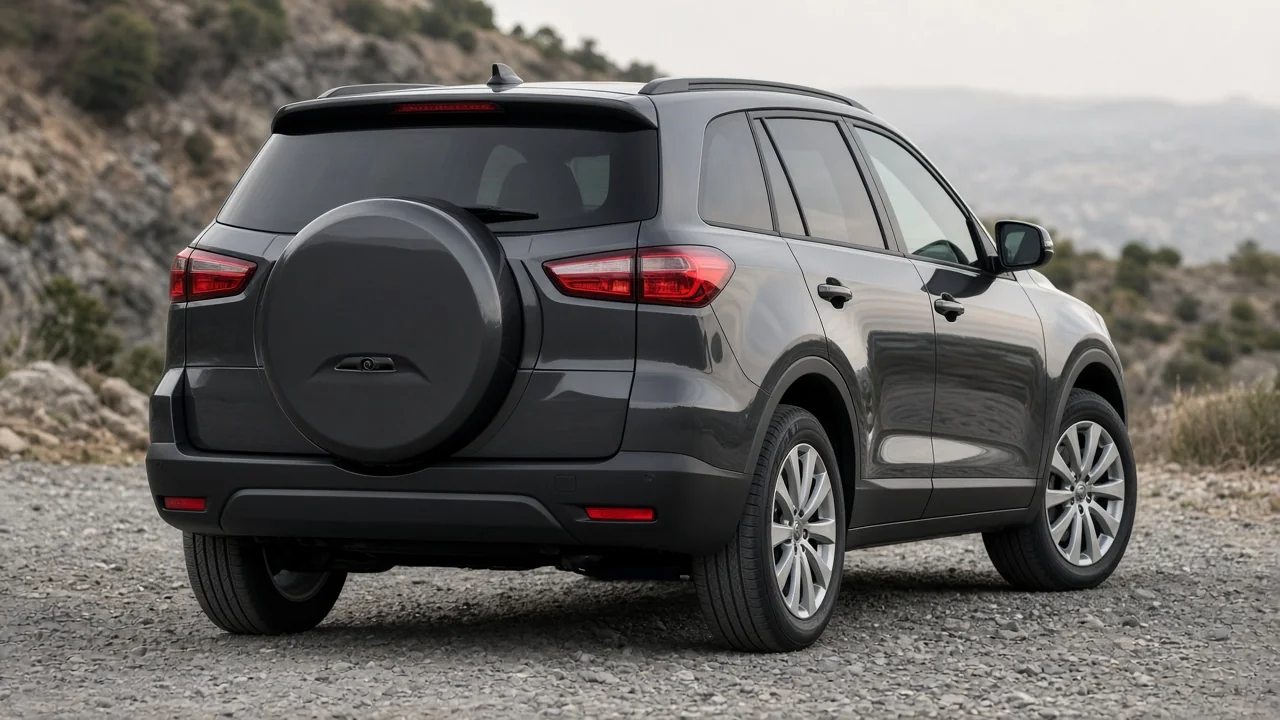
Choosing a Ford Bronco spare tire cover or related hardware depends on which Bronco you drive and where the spare sits. Bronco configurations may hang the spare on the tailgate, so cover fitment, carrier load, and camera openings interact. A Bronco Sport spare tire is a different package, checked at cargo floor storage rather than on an exterior carrier. Confirm the installed tire, carrier, and lighting before you buy covers, change the carrier, or plan a spare tire delete.
Identify Your Bronco’s Spare Tire Setup
Start with the vehicle itself: model year, Bronco versus Bronco Sport, and the spare location that is actually installed. Exterior tailgate mounting is the layout Bronco exterior covers and carriers address, while Bronco Sport equipment is documented separately and should not be treated as interchangeable with those accessories. Record trim, any aftermarket carrier, and whether the factory spare is still present. Accessory listings that say they fit a Bronco still need that identification, because year, body, and spare placement change what a cover or carrier can attach to.
Copy the spare's tire sidewall size from the tire itself, not from memory or a sales listing. Note overall appearance of the wheel, whether the tire looks like a matching road tire or a different spare, and whether the carrier hardware appears original. A changed wheel, a different tire diameter, or a relocated mount can make a spare tire cover for Bronco that was sized for the original assembly sit poorly. Photograph the sidewall, wheel face, and mounting area so later cover or carrier shopping is tied to the parts on the vehicle.
Size a Bronco Spare Tire Cover for the Installed Tire
A spare tire cover for Ford Bronco is sized to the tire on the carrier, not to the model name on the door. Tire sidewall size encodes width, aspect ratio, and rim diameter; those figures, plus spare tire diameter and section width, determine how much fabric or vinyl the cover must enclose. After a tire change, overall diameter can grow or shrink even when the wheel looks similar. Read the current spare and compare those numbers with the cover maker's stated dimensions rather than assuming a generic Bronco listing will drape correctly.
Ford Bronco spare tire covers that only advertise a model name do not establish fit for every year or spare size. Check the maker's diameter range against the installed tire, then inspect how the cover sits: tread and sidewall should be fully covered, retention should hold without flaps that catch on the bumper or hitch, and nothing should whip near moving tailgate parts. Spare tire covers for Ford Bronco that are too small strain seams; oversized covers bag and collect water. Recheck fit after any wheel or tire swap.
Check Cover Openings, Visibility and Everyday Care
Before buying bronco spare tire covers, confirm where the rear camera sits and whether the cover needs a rear camera opening aligned with that lens. A spare tire cover bronco owners fit over a camera-equipped spare can blank the image if the opening is missing, offset, or hidden by a flap. With the cover on, license plate, reverse lamps, and third brake light visibility should stay clear, and the camera should still show the expected view. Tailgate clearance during opening matters if the cover adds bulk near the bumper or hitch.
Material and closure details decide how spare tire covers for bronco hold up in weather. Look for weather-resistant outer fabric, a lining that reduces sidewall abrasion, drainage that does not trap water against the tread, and fastening that stays closed in motion. Lift the cover periodically and check for trapped moisture, packed debris, loose fasteners, and fabric wear at the camera opening or strap points. Follow the product's care guidance for cleaning and drying so both the spare and the cover stay serviceable.
Assess Spare Tire Carrier Fit and Tailgate Load
Fitment for a spare tire carrier Bronco owners add or replace is not a one-size decision. Collect the vehicle year, tailgate or bumper mounting design, wheel dimensions, spare wheel offset, and complete spare assembly weight including tire, wheel, and any cover. Offset changes how far the assembly sits from the gate and can alter clearance to glass, camera, and lighting. Match those details to the carrier maker's documentation rather than a photo of a similar Bronco. Wheel width and tire mass both affect how the load sits on the hinges and latch.
Verify the documented carrier load rating and any vehicle mounting limits before adding a heavier tire, a different wheel, or extra accessories on the same mount. Then cycle the tailgate through its normal opening movement and watch bumper, rear glass, camera, and lighting clearance. Binding, contact, or a cover that snags is a fit problem, not something to ignore. Visible sagging, rubbing, loose hardware, or unusual movement at the carrier or gate are reasons for professional inspection. Do not assume a stronger-looking aftermarket carrier automatically stays within the vehicle's latch and hinge limits.
Plan a Bronco Spare Tire Delete Around Roadside Needs
Planning a bronco spare tire delete means deciding what leaves the rear of the vehicle and what remains. Hardware may remove the exterior spare, cover the unused mount, or replace the carrier with a different rear panel, depending on the vehicle. Confirm that the finished setup preserves camera function, required lighting, plate visibility, and weather sealing around the tailgate. Reverse lamps and the third brake light still need a clear path. If the camera lived in the spare, confirm the replacement view on the actual vehicle.
Carrying no spare changes the response to a puncture. Sealant and inflator kits can help with some small tread punctures, but they cannot address sidewall cuts, large gashes, or a destroyed wheel. Plan roadside assistance that can recover the vehicle or deliver a usable tire, and keep that contact method available on remote trips. If an alternative spare is stored inside, have it professionally secured so it cannot shift into occupants or cargo. Confirm jack, lug tools, and inflation equipment still have a defined place after the exterior spare is gone.
Locate and Check a Bronco Sport Spare
Treat Bronco Sport spare tire equipment as its own system. Verify the supplied spare or tire mobility equipment in the owner's manual, then inspect the cargo floor storage area with the vehicle on level ground and the hatch safely supported. Lift the floor cover as the manual describes and identify what is actually there: a spare wheel, an inflator kit, or both. Bronco Sport fitment stays tied to that documentation; exterior spare tire covers for bronco and tailgate carriers do not describe Sport cargo-floor equipment.
Read the spare's size and type from its sidewall markings rather than assuming identical equipment across model years and trims. Use the applicable pressure specification and any speed or distance restrictions printed on the spare or stated in the manual, not the figures for the road tires. Confirm the spare and the supplied tools are present, accessible, and secured in the cargo well. Missing, underinflated, or damaged equipment should be assessed before travel so you are not discovering a gap on the shoulder.