Ford Bronco Manual Transmission: Trims, Years, and Crawler Gear
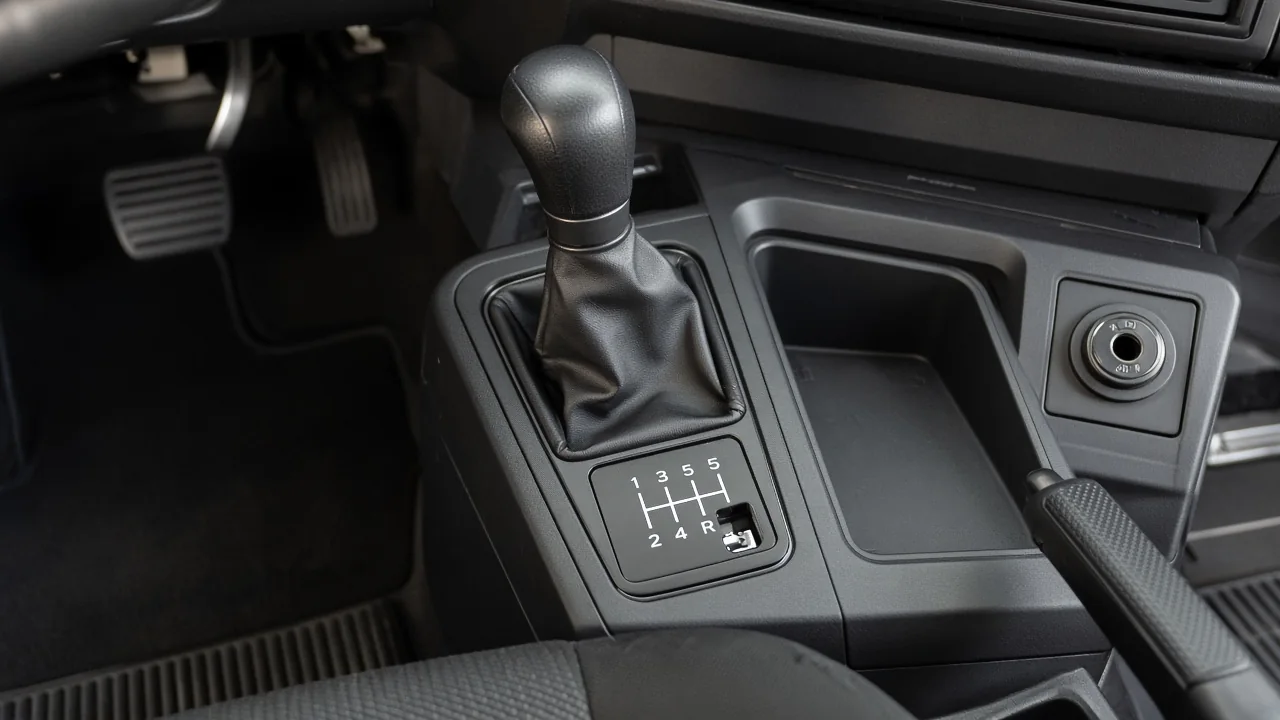
The Ford Bronco manual transmission is one of the details that sets the modern Bronco apart in a segment dominated by automatics. Its seven-speed layout pairs six ordinary driving gears with a dedicated crawler gear, but it isn't offered in every configuration. This guide explains how the gearbox works, how availability changes by model year and trim, what to expect from the 2025 model, and how to confirm the setup of a specific vehicle.
Understanding the Bronco’s Manual Gearbox
The modern Bronco returned for the 2021 model year with a seven-speed manual, and it's easiest to understand once you split up the numbers. Six forward gears handle normal acceleration and cruising, the same way a conventional six-speed does. The seventh position is a crawler gear, a very short ratio meant for slow, controlled movement rather than everyday starts. On pavement the manual behaves like a six-speed, and it adds an extra low-speed tool for trails, rocks and careful maneuvering.
Engine pairing is the first limit to understand. In Ford's published configurations, the manual is tied to specific engines, and other powertrains come only with the automatic. Check the engine pairing in the order guide or on the window sticker for the exact model year instead of trusting a listing. The label manual transmission Ford Bronco also tells you nothing about trim, package or body style, or whether that combination was ever built in meaningful numbers.
Manual Transmission Availability by Model Year
Bronco manual transmission availability has changed across the model years since launch. The gearbox has appeared on some trims and packages but not others, and the restrictions have changed as Ford revised the lineup. The most reliable reference is Ford's order guide for each model year, not memory or forum summaries. It shows which trims list the manual, which engine it requires and which packages conflict with it. A combination allowed in one year may be restricted or dropped the next, so compare each year separately.
It also helps to separate a model year's listed configurations from temporary ordering limits. Supply problems or production interruptions can restrict what dealers can order for a while without changing the published lineup, so any availability claim should say whether it means the catalog or real-world ordering. Used listings add another complication. The model year on the title, the build date on the door-jamb label and the original in-service date can all differ, sometimes by months, which affects warranty timing and what equipment was actually installed.
Which 2025 Bronco Trims Offer a Manual?
If you're shopping for a 2025 Ford Bronco manual transmission, the key questions are which trims list the gearbox in that year's order guide and which engine it must be paired with. Ford has changed the Bronco's trim structure and option availability over time. A trim that offered the manual in an earlier year may not offer it for 2025. Ford's 2025 order guide and its build-and-price configurator give the most reliable picture of the combinations that were actually listed that year.
Body style and packages can narrow your choices further. Two-door and four-door bodies, larger tire packages and some equipment groups can have their own compatibility rules, so a 2025 manual build that looks possible on paper may be blocked by a single option. Published availability also won't tell you whether a dealer has a manual Bronco in stock or whether factory ordering is still open late in the model year. Ask a dealer directly about order-bank status and allocated inventory to find out.
How the Bronco’s Crawler Gear Works
The crawler gear multiplies engine torque through a very short ratio, so the wheels turn slowly while the engine runs at a usable speed. That lets you creep over rocks, ledges or ruts with less throttle and less need to slip the clutch. The low gearing makes low-speed control easier. It doesn't create traction where the tires can't grip, though, and you can still stall the engine by releasing the clutch too quickly or asking too much of it near idle.
On four-wheel-drive Broncos, the crawler gear works together with the transfer case's low range. The transmission ratio, the transfer case ratio and the axle ratio multiply together to set the overall crawl ratio at the wheels. That's why low range plus crawler moves the vehicle far more slowly than either one alone. Engagement steps, when crawler can be selected and any operating limits depend on the vehicle, so read the owner's manual for your specific Bronco before using it.
What Manual Operation Means for Everyday Driving
In daily driving, the six regular forward gears do the work. The lower gears handle starts and city speeds, and the top gears keep engine speed down on the highway, which reduces noise and helps fuel economy. The crawler position sits apart from the main gates in the shift pattern. The pattern printed on the knob shows where crawler and reverse are. Most drivers will rarely use crawler on pavement unless they're moving very slowly in a tight spot.
Clutch control matters most in stop-and-go traffic, tight parking lots and on hills. Holding the clutch partly engaged to hold position or inch forward creates friction. Keeping it slipping builds heat, which can speed up clutch wear and cause a burning smell. Hill-start assistance and the right technique on a slope vary by vehicle, so the owner's manual is worth reading. If you're new to a clutch pedal, expect a learning period and practice in empty, level lots before driving in traffic.
Confirming a Specific Bronco Before Buying
Confirming a specific Bronco starts with paperwork. The original window sticker or factory build information, which a Ford dealer can often pull up from the VIN, should list the transmission, engine, trim and installed packages. This matters because sellers sometimes mislabel listings. Photos showing a clutch pedal and a manual shifter with the correct pattern are useful supporting evidence. They can't confirm packages or axle ratios, or show whether parts were swapped, so use photos as a first filter and the paperwork as confirmation.
A calm test drive on ordinary roads can show how the gearbox has been treated. Watch for persistent grinding when shifting, gears that are hard to engage, whining or clunking, a clutch that engages unusually high or low, or slipping under moderate acceleration. Treat these as clues rather than a diagnosis, because several different causes can produce similar symptoms. If symptoms show up, the vehicle has been modified or the service records are incomplete, get a qualified pre-purchase inspection before you buy.