Ford 4WD Actuator Fitment Guide: Choosing the Right Part
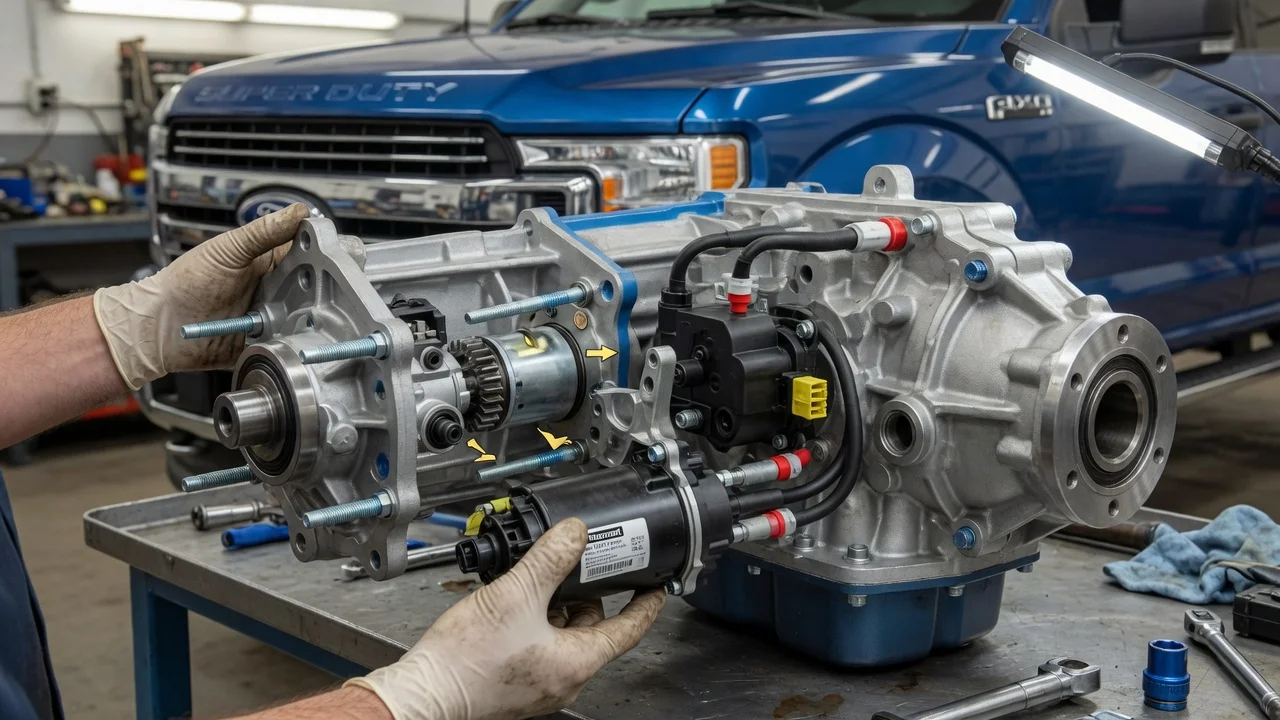
A Ford 4WD actuator is not one universal part. Depending on the truck or SUV, the term can describe an electric shift motor on the transfer case, a vacuum or electric unit that engages the front hubs, or a component that connects the front axle. Buying the right one starts with identifying which system your vehicle actually uses, then confirming the exact part for that build. This guide explains how to narrow the choice and avoid ordering a unit that looks right but will not work.
Short answer: match the part to the exact drivetrain
The right replacement is the one listed for your exact vehicle configuration, not simply for the model name and year. Ford has used different four-wheel-drive designs across its trucks and SUVs, and even a single model year can include several versions. Transfer case type, electronic or manual shifting, axle and hub design, and production date can all change the part. The most reliable approach is to look up the part by VIN through a parts catalog or dealer parts counter, then compare the result with the part number and connector on the unit you are removing.
Fitment is only part of the answer. An actuator that bolts on and plugs in still has to match what the control module expects and must be installed in the correct position. If the original problem was caused by wiring, a blown fuse, a vacuum leak or a module fault, a new actuator will not fix it. Confirming the diagnosis before ordering usually saves more money than shopping for the lowest price.
How Ford four-wheel-drive actuators work
On many Ford trucks and SUVs with a push-button or rotary 4WD selector, an electric shift motor mounted on the transfer case moves the internal shift mechanism between 2H, 4H, 4L and, where equipped, an automatic 4WD mode. The motor typically includes a position sensor or encoder that reports its position back to the control module. When you select a mode, the module commands the motor, reads the position signal and changes the dashboard indicator once the shift is confirmed.
Shifting the transfer case is only half of the job on vehicles that disconnect the front wheels in two-wheel drive. Some Ford trucks use integrated wheel end hubs controlled by vacuum through a solenoid, while others use manual locking hubs, automatic hubs or an axle disconnect. On these systems, the part sold as an actuator may be a vacuum solenoid, a hub assembly or a disconnect motor rather than anything on the transfer case. On vacuum-controlled hubs, a leak or failed solenoid can let the hubs partially engage, which is often heard as grinding or ratcheting from the front wheels in two-wheel drive.
What changes which actuator fits
Model year and generation are the first filter, but not the last. Ford often carried a design over several years and then changed connectors, mounting or electronics partway through a production cycle, so two vehicles of the same model year can need different parts. The production date on the door jamb label can matter when a change happened mid-year.
Drivetrain options matter most. A truck with a floor-mounted transfer case lever does not use an electric shift motor at all, while electronic shift-on-the-fly systems do. Vehicles with an automatic 4WD mode may use a different transfer case and motor than part-time systems. The transfer case model, usually shown on a tag attached to the case, helps confirm which motor applies. Front axle and hub design decide whether a wheel-end actuator, vacuum solenoid or manual hub is the relevant part.
All-wheel-drive Ford crossovers and cars work differently and generally do not use a selectable 4WD shift actuator, so parts listed for trucks will not apply to them. Operating conditions also affect what you notice: a weak actuator or poor connection may work when warm and fail in cold weather, after a wash or after exposure to mud and road salt, which can make a fault seem intermittent.
Checks before ordering and installing
Start with an inspection and a code scan. A scan tool that can communicate with the four-wheel-drive or transfer case module will show stored trouble codes and, on many vehicles, live data such as commanded and actual motor position. Check the related fuses and relays, look for damaged or corroded connectors at the motor and along the harness, and on vacuum hub systems inspect hoses, fittings and the solenoid for leaks or cracks. Note any flashing 4x4 indicator, clicking from the transfer case or grinding from the front wheels, and when it happens.
Before ordering, record the VIN, production date, transfer case tag details and the part number printed on the existing actuator. Compare photos of the connector, mounting pattern and shaft or spline shape with the replacement listing. Whether you choose an original equipment part or an aftermarket unit, check that the listing names your exact configuration rather than a broad year range, and review the return policy in case the connector or position sensor does not match.
During installation, follow the service procedure for your vehicle. Electric shift motors generally must be installed with the motor and transfer case in the same mode position specified in that procedure, and a mismatch can cause failed shifts or new codes. Clean the mounting surface and do not force the motor onto the shaft. Afterward, clear codes and test each mode on a loose surface such as gravel, where the drivetrain can release tension safely, confirming both the indicator and actual engagement.
Limits of a general guide and next steps
This guide cannot confirm the correct part for a specific vehicle. Part numbers, connector designs and procedures vary, and some replacements may need a relearn or module setup with capable scan tools, depending on the vehicle. Rely on manufacturer specifications and service information for your VIN rather than general descriptions, and be cautious with any listing that relies only on model name and year.
Get professional help if codes point to a control module or network fault, if the transfer case itself is noisy or will not hold a range, if the front end still grinds after the actuator is replaced, or if you are unsure how to safely support and test the vehicle. Bringing the vehicle's service history, the codes you recorded and the old part number helps a shop confirm the diagnosis quickly. There is no universal replacement interval for these parts; follow the maintenance schedule for your vehicle and replace the actuator only when diagnosis supports it.