Follow Traffic Management Act 2004 vehicle removal
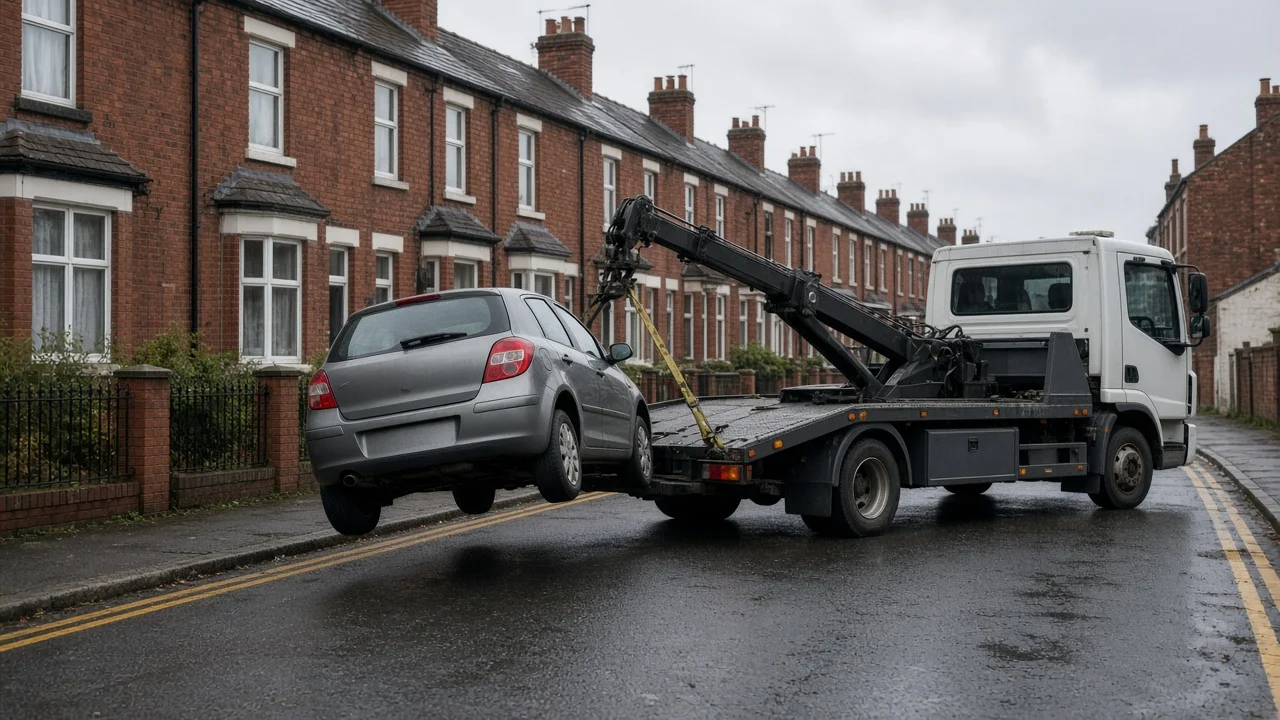
Drivers encountering a vehicle that has been relocated or immobilized often see references to the Traffic Management Act 2004 and wonder how that UK legislation affects removal decisions. Although the Act does not govern US impound or tow procedures, understanding its principles helps clarify why local authorities remove vehicles for obstruction, safety, or enforcement. The same practical concerns apply to American roads: visibility, right of way, road markings, following distance, and road conditions all influence whether a parked or stopped car creates a hazard that justifies relocation.
Essential answer
The Traffic Management Act 2004 is United Kingdom legislation that gives local highway authorities and civil enforcement officers powers to manage road networks, including removal of vehicles that obstruct traffic or violate parking restrictions. It is not a United States law, so an American driver should not expect a local tow or impound action to cite that Act. Instead, state and municipal codes authorize vehicle relocation, and a vehicle owner researching the phrase is likely seeing imported or UK-specific guidance.
For a US reader, the practical meaning is that removal occurs when a vehicle interferes with road function or enforcement needs. A car blocking a travel lane, fire access, a bike lane, or a sight line near an intersection can be moved because it degrades driver attention and visibility. If a vehicle is absent from where it was parked, checking local police and impound records is more useful than pursuing the foreign statute, because the relevant authority will be the city, county, or state agency that ordered the tow.