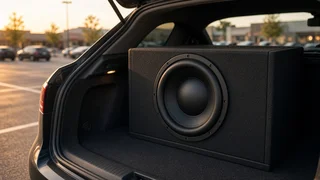
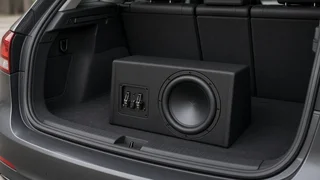
Focal car subwoofers
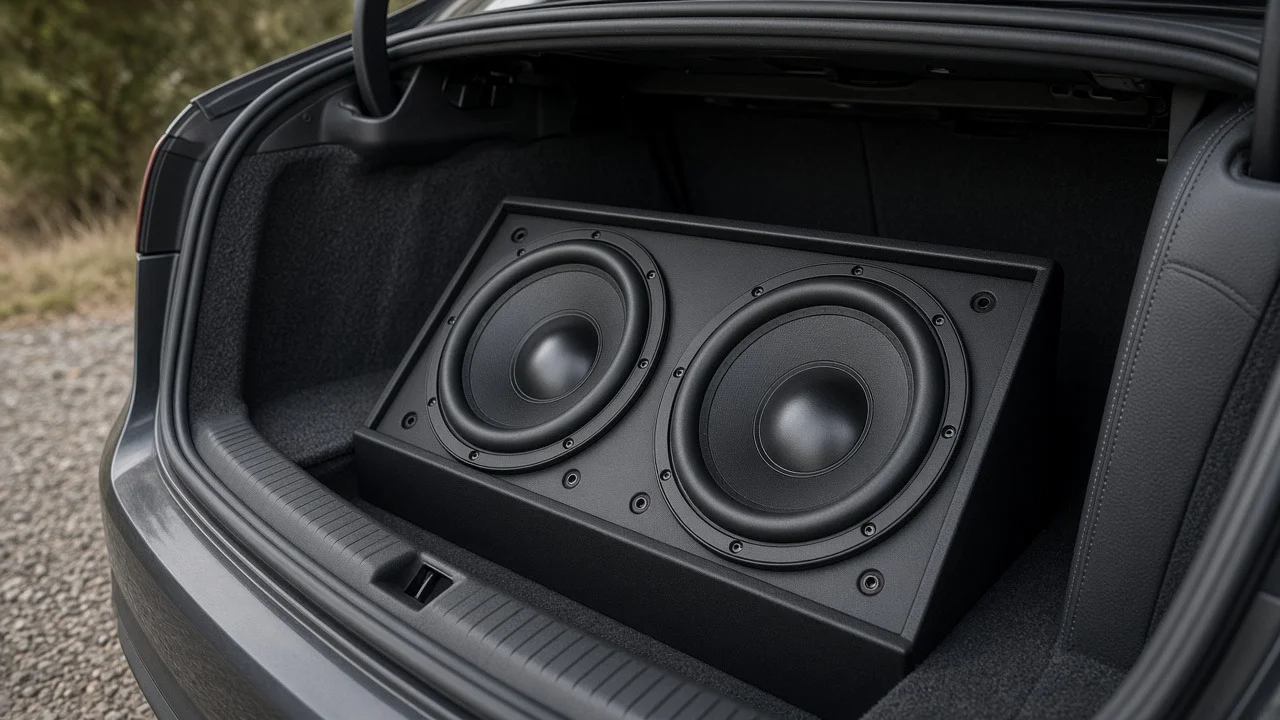
Choosing a Focal subwoofer for car audio means matching driver size, enclosure type, power handling, and impedance to the cabin, amplifier, and listening goals. A subwoofer is not only about added loudness; it restores low-frequency information that smaller speakers cannot reproduce cleanly, improving impact and balance. Buyers researching a focal car subwoofer should first define available space, desired bass character, and the signal path from the head unit through speaker wiring to the amplifier. These choices affect installation complexity and whether the result favors tight transient response or deeper sustained output.
The direct answer
The right Focal car subwoofer depends primarily on enclosure volume, available mounting depth, and the amount of power the amplifier can supply continuously. For most vehicles, a sealed enclosure in the recommended size range is the safest starting point because it controls cone motion and produces an even response across the lower octaves. A ported or vented design can increase output near the tuning frequency, but it usually needs a larger box and becomes more sensitive to errors in volume or port length.
When comparing options, treat impedance and sensitivity together rather than looking only at peak wattage. A lower-impedance voice coil can draw more current from a compatible amplifier, but it also demands stable power delivery and adequate speaker wiring. The subwoofer should receive a clean signal from the head unit or audio source through the correct crossover setting. If the enclosure fit and amplifier gain are appropriate, the upgrade improves low-frequency extension without forcing the rest of the vehicle integration to work outside its limits.