Flashing Traction Control Light: What It Means and When to Worry
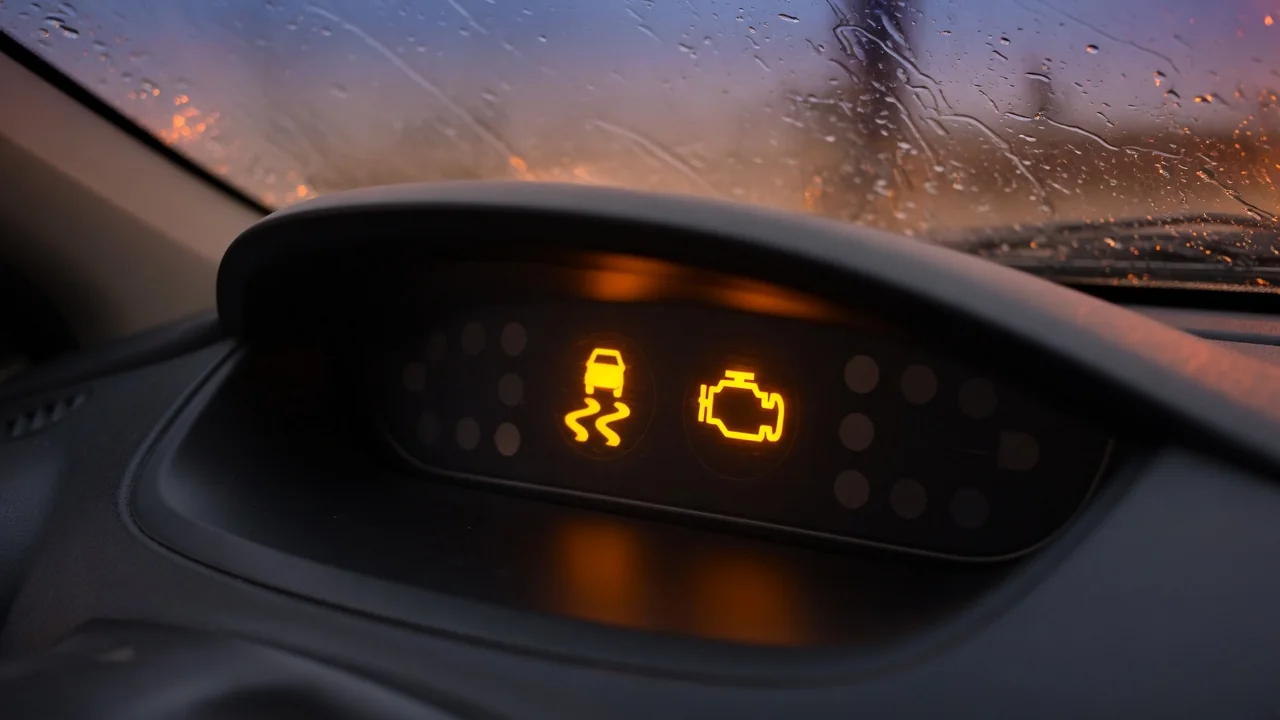
A flashing traction control light can mean your car is doing its job on a slippery road, or it can be one sign of a deeper problem. The difference usually shows in the timing, the road conditions and which other dashboard warning lights appear alongside it, especially a flashing check engine light, a cruise control symbol or loss of power. Here is how to read those clues and respond safely.
Why a Traction Control Light Blinks: Normal Intervention vs. a Fault
If you're asking why your traction control light is blinking, the answer on many vehicles is that the system is working. It has detected wheel slip, typically by comparing wheel speed sensor readings, and is braking a spinning wheel or trimming engine torque to restore grip. You might see it pulling away on wet pavement, crossing ice, or accelerating on gravel or loose dirt. In that situation, the flashing is information rather than a warning, and it should stop within seconds once the tires regain traction.
A light that stays on solid, or keeps flashing on dry pavement with no obvious slip, is a different story and may indicate a fault in the traction or electronic stability control system. Because symbols, colors and blinking behavior vary between manufacturers, check your owner's manual for what your vehicle's lamp means. When it happens, note the road surface, your speed, whether the flashing stops once traction returns, and whether an ESC light or other warnings appear too.
Traction Control Light Flashing When Accelerating or While Driving
If the traction control light is flashing when accelerating, start with the simple explanations. Hard throttle from a stop, especially in a powerful or front-drive car, can spin a tire even on clean pavement. Worn tread, mismatched tire sizes or brands, and uneven tire pressure can also change how fast individual wheels turn, making the system think one is slipping. Wet leaves, painted road lines and standing water trigger normal intervention more often than drivers expect.
A traction control light blinking while driving at a steady speed on dry roads, flashing while going straight, or a light that won't go out suggests a sensor or system problem instead. One possible input issue is an erratic wheel speed sensor signal, which can come from wiring, sensor or tone ring faults, though it is not the only candidate. Until it is checked, use smooth throttle and lower speeds, and have the car inspected if the pattern keeps returning.
Flashing Traction Control Light With Loss of Power
Traction control is designed to reduce engine power on purpose. When it intervenes, it can retard ignition timing, close the throttle or cut fuel briefly, which feels like hesitation or a stumble right as the light flashes. That short dip is normal on slippery surfaces. A traction control light flashing with loss of power that continues after the tires have grip, or happens on dry roads, points somewhere else and deserves closer attention.
Ongoing power loss alongside several warning lights may mean the engine computer has deliberately limited output after detecting a fault, often called reduced power mode or limp mode. Some brands show their own messages; a BMW traction control light flashing with loss of power may come with a drivetrain warning whose meaning should be confirmed with model-specific information. If power drops suddenly in traffic, pull over safely and arrange a scan for diagnostic trouble codes rather than guessing.
Flashing Check Engine Light With the Traction Control Light On
A flashing check engine light with the traction control light on is a more urgent combination. A blinking check engine light usually means the engine computer has detected a serious problem, most often a severe engine misfire. Many vehicles then switch off or limit traction and stability control because they cannot reliably manage torque with an engine fault stored, so the traction light is frequently a side effect, not the root problem. Reduce speed, avoid heavy acceleration and limit driving.
Continuing to drive with a severe misfire can send unburned fuel into the exhaust, overheating it and causing catalytic converter damage, along with stress on other parts. Owners asking about a check engine light flashing and traction control light on in a Chevy, a Tahoe or a Honda Odyssey should know that the stored codes, not the model name, decide the diagnosis. Codes can also mean different things across makes, so confirm each one's definition for your exact vehicle before interpreting it.
Subaru Check Engine, Cruise Control and Traction Control Lights Together
Subaru owners often report a check engine light coming on or flashing at the same moment cruise control and traction or stability lights appear, on Forester, Impreza and Outback models alike. It can look like several systems failed at once. The usual general explanation is simpler: when the engine computer detects an engine fault, the vehicle may disable cruise control and the traction or stability functions as a precaution, so several dashboard lights can share one cause.
There is no single universal cause or code behind this Subaru pattern, so avoid assuming one from forum posts. Retrieve the stored codes with an OBD-II scan tool, or have a shop do it, and check what they mean for your specific model and year. If the check engine light is flashing rather than steady, treat it as seriously as on any other vehicle: drive gently, keep trips short and get it diagnosed before regular use.
Resetting the Lights: What Clearing Codes Does and Doesn't Fix
Clearing codes with a scan tool or disconnecting the battery may turn the lights off for a while, but it does not fix anything. If the underlying fault remains, the engine computer will usually detect it again and the check engine, cruise control and traction control lights will return, sometimes within one drive. Worse, clearing codes before a diagnosis erases stored codes and freeze-frame data that a technician could use to pinpoint when and how the problem occurred.
On many vehicles, the extra lights go out on their own once the engine fault is repaired and the system confirms normal operation over one or more drive cycles. That is why a Subaru that shows the check engine, cruise control and traction control lights together often resets naturally after the real repair rather than through a separate procedure. Where a manual reset or calibration is genuinely required, follow the owner's manual or let a qualified shop handle the model-specific steps.
When to Stop Driving and Get Professional Testing
Stop driving, or get off the road as soon as it is safe, if you notice a flashing check engine light, sudden power loss, rough running or shaking, a burning smell, unusual noises, or poor braking feel. Warning lights alone cannot confirm a cause, because one fault can switch on several lamps and different faults can produce the same pattern. A scan tool reading narrows the possibilities, while hands-on testing of sensors, wiring and engine components confirms the actual problem.
Help the technician by explaining when the light flashes, the road conditions, your speed, which other lights appeared, and any recent tire, alignment or service work. Those details separate normal traction control activity from a genuine fault faster. Until the repair is finished, remember that traction and stability assistance may be reduced or switched off, so leave extra following distance, brake earlier and drive gently in rain, snow or on loose surfaces.