Flashing Airbag Light: What It Means and What to Do Next
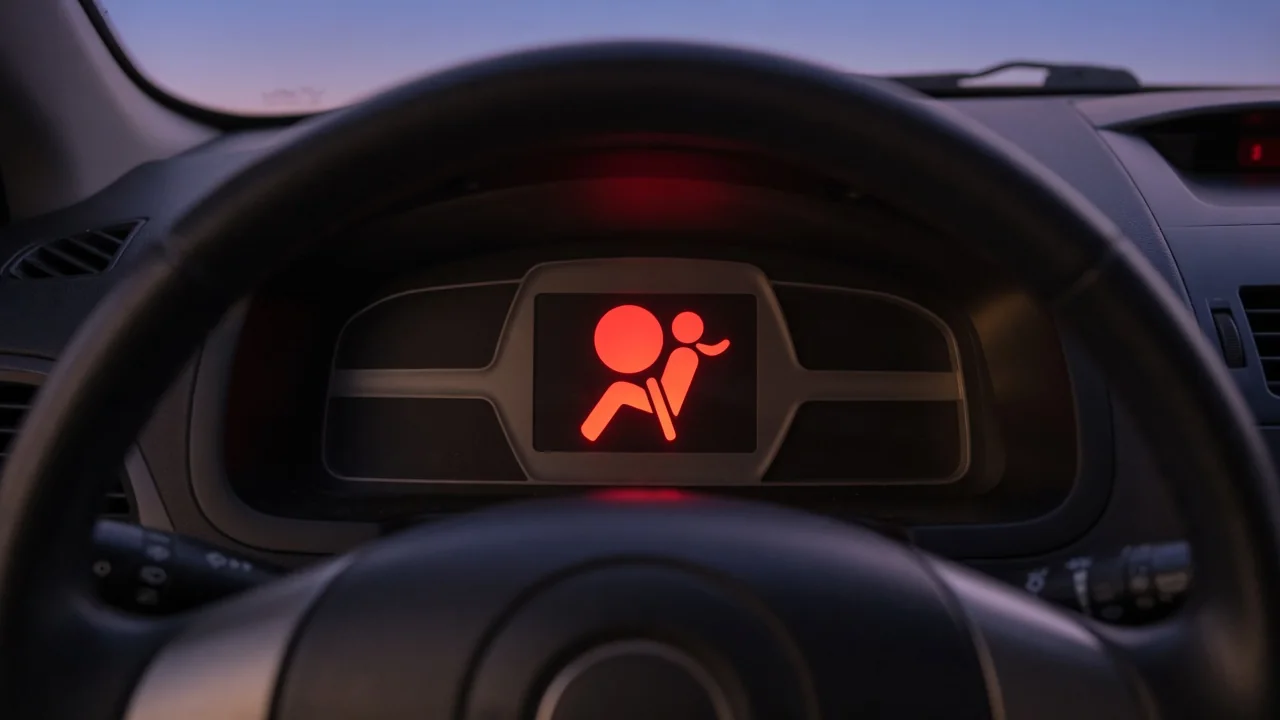
An airbag light blinking on your dashboard is a warning worth taking seriously. Whether you drive a Nissan Rogue, a Mazda or an older 350Z, a flashing airbag light usually means the supplemental restraint system has found a problem it cannot ignore. Here is what that warning typically signals, why it may appear and how to get it diagnosed safely and correctly.
What a Flashing Airbag Warning Light Is Telling You
When you start the car, the SRS warning light normally comes on for a few seconds while the airbag control module checks its sensors, wiring and deployment circuits. If everything passes, the light goes out and stays out. So what does it mean when the airbag light is flashing after that startup check? It means the system is reporting a problem. This is not normal behavior, and that is the basic answer to why the light keeps blinking.
While the fault is present, one or more airbags or seatbelt pretensioners may not deploy as designed in a crash. Some vehicles use a flashing pattern, sometimes called a flash code, to signal a stored fault. What those patterns mean varies by manufacturer, so no universal chart exists. Other vehicles show a steady light instead. The difference describes what you see on the dashboard, not how serious the underlying airbag fault code is.
Why Your Airbag Light Is Blinking: Common Fault Areas
Why is my airbag light blinking? Several parts of the supplemental restraint system can trigger the warning. Possible fault areas include seat wiring, the seat belt buckle sensor, the occupant classification system, the clock spring behind the steering wheel airbag, crash sensors, the airbag control module and low system voltage. On some vehicles, a weak battery or a recent jump start can also cause SRS warnings. That is one possibility to consider, not a diagnosis.
Some background helps a technician narrow things down. Note whether anything was stored or moved under the seats, whether the seats were adjusted a lot, and whether recent interior work may have disturbed connectors. The light alone still cannot pinpoint the cause. Fixing a blinking airbag light starts with a scan tool that can read SRS diagnostic trouble codes, or with the manufacturer's procedure. A code is evidence to interpret, not proof that a part has failed.
Passenger Airbag Light Blinking: Status Indicator or Fault Warning?
A blinking passenger airbag light is not always the same warning as the main SRS lamp. Many vehicles have a separate passenger airbag off indicator that shows whether the front passenger airbag is currently on or off. The occupant classification system uses seat sensors to make that decision based on who or what is in the seat, so the indicator can change as conditions change. Your owner's manual explains how your vehicle is supposed to behave.
If the passenger airbag light is flashing, there are some safe things to check. Is the seat empty? Is a bag, laptop or other object resting on it? Is a child seat installed exactly as the manual directs? Each of these affects how the sensor reads the seat. An indicator that flashes or switches on and off inconsistently should still be checked professionally. Don't assume the passenger airbag will work correctly until it has been diagnosed.
Nissan Airbag Light Flashing: How to Approach It
If your Nissan's airbag light is flashing, start with the owner's manual for your exact model and year. It describes what the warning light should do at startup and what continued flashing means on that vehicle. This applies whether you drive a Pathfinder, Titan, Xterra or 350Z. Any flash pattern or code must be read using Nissan's vehicle-specific information, not a generic online chart, because the same blinking can mean different things on different vehicles.
Next, check for open recalls or service campaigns by entering your VIN in Nissan's official owner resources or the government safety recall lookup. A VIN recall check does not confirm a specific problem, but it is quick and may affect how the repair is handled. Then have a Nissan dealer or an SRS-capable shop read the stored codes before any parts are replaced. Guessing at airbag components wastes money and time.
Nissan Frontier, Rogue and Versa: Model-Specific Checks
Whether the flashing airbag light is in a Frontier pickup, a Rogue crossover or a Versa sedan, the warning's meaning and the right diagnostic steps can differ by model year and trim. Check the details for your exact vehicle instead of relying on forum posts about a similar model. Don't assume a particular part has failed just because of the model you drive. Official manufacturer information is the only reliable source for known issues.
Before the appointment, write down when the light started flashing and whether it happens on every drive or only sometimes. Record recent repairs, battery replacements or jump starts, any seat or steering wheel work, and any other dashboard warning lights that are on. These notes help a technician match the stored codes to real events. If you are shopping for a used vehicle with a blinking airbag light, have it inspected before you buy it or start driving it regularly.
Mazda Airbag Light Flashing: What Owners Should Verify
If your Mazda's airbag light is flashing, take the same careful approach. Check the owner's manual first, because some vehicles signal SRS faults with specific flash behavior, and what it means depends on the manufacturer. Don't count blinks and match them to a generic online chart. Those charts may describe another brand or an older system, and relying on one to decide which component failed can lead to replacing parts that were never the problem.
Mazda owners should also check for recalls by VIN through official Mazda channels or the government safety recall database, without assuming any particular campaign applies. Then have a Mazda dealer or a qualified independent shop read the SRS codes with equipment that can communicate with the airbag control module. Many basic engine code readers cannot access restraint system data, so confirm that the shop can read SRS codes before you book a visit.
Safe Next Steps and When to Get Professional SRS Testing
The vehicle may still be drivable, but crash protection may be reduced, so get it diagnosed promptly. In the meantime, note when the light comes on, check that every seatbelt latches and releases normally, keep objects out from under the seats and follow the manual's guidance on where children should ride. Do not unplug airbag connectors, remove the steering wheel or airbag modules, or probe SRS wiring yourself. These parts can deploy and cause serious injury.
Clearing the codes without fixing the cause does not restore protection, and the light may come back after the next self-check. Professional testing involves reading SRS-specific codes, following the manufacturer's diagnostic procedures to test circuits and components in order, and repairing the confirmed fault. The technician then verifies that the warning light completes its startup check and goes out. That final check shows that the supplemental restraint system is ready to protect you again.