Finding a Reliable Used Car With Great Gas Mileage
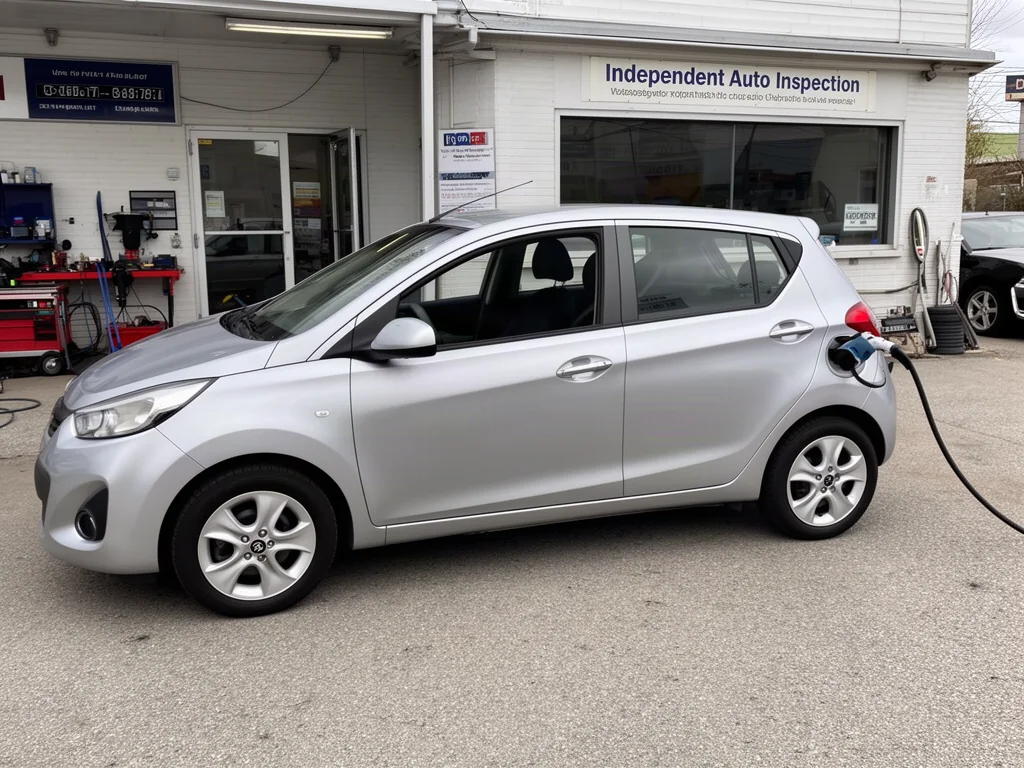
Shoppers looking for the best car for gas mileage and reliability should treat that pairing as a research problem, not a single ranking. A used car can look efficient on paper and still be a poor ownership bet if its powertrain, maintenance history, or condition does not match your driving. Start with how you actually use a vehicle, then compare candidates year by year instead of chasing a nameplate.
Define Dependability and Good Gas Mileage for Your Driving
A useful shortlist for a reliable car with great gas mileage is built from evidence, not slogans. Dependable operation means a specific model year and powertrain with a documented pattern of completing routine service without repeated major failures, plus a used example that still shows that pattern. Efficient fuel use should be judged against EPA combined mpg for that exact configuration, then checked against how you drive. Without both pieces, calling any used example the best car for mileage and reliability is too broad to act on.
Before ranking candidates, write down annual mileage, the mix of city driving and highway use, passenger and cargo needs, and a firm purchase budget. Those details change whether a compact hybrid or a conventional sedan is even relevant. A nameplate reputation also cannot certify the next owner's experience. One well-kept car and a neglected twin can share a reputation while differing in remaining life. Condition, service records, and a prepurchase inspection speak to the individual vehicle; marketing history does not.
Toyota Prius: Verify the Specific Car’s History
The Toyota Prius is a frequent candidate for the best gas mileage most reliable car combination, but only after you pin the claim to a supported model year and hybrid configuration. Different years, battery packs, and equipment packages are not interchangeable for fuel economy or durability. Treat published EPA figures and any reliability summaries as starting points for that exact car, then confirm the VIN matches the configuration those figures describe. A later or earlier Prius may not deliver the same fuel economy or durability.
Complete maintenance history and documented prior repairs show whether hybrid services, recalls, and ordinary wear items were actually performed. A clean vehicle history report can still miss neglected oil changes, cooling-system work, or unreported warning-light events. Have a shop that understands hybrids evaluate hybrid battery health, inverter cooling, and any stored diagnostic codes rather than assuming a quiet dash means the pack is sound. Instant or average mpg on the display reflects recent driving, not the remaining capacity of the high-voltage battery. Manufacturer-dependent codes still need vehicle-specific confirmation before anyone names a failed part.
Toyota Corolla Hybrid: Check the Exact Configuration
The Toyota Corolla Hybrid belongs on the same shortlist of cars that score well on dependability and fuel economy, provided you check the exact model year, drivetrain, and the reliability evidence available for that combination. Front-wheel-drive and all-wheel-drive versions, different trims, and successive years can carry different EPA ratings and different service stories. Ask for documentation that identifies the powertrain, then look for independent reliability notes that apply to that configuration rather than to every Corolla. Suitability is a year-and-drivetrain question, not a badge question.
Any stated EPA fuel economy rating must match the window sticker or official listing for that VIN's configuration. Review service continuity for oil, coolant, and hybrid-related items, then read the title history for salvage, flood, or unexplained branding. Evidence of collision repairs matters because structural or cooling-system damage can affect both safety and efficiency. Only after those paper checks look consistent should you schedule a prepurchase inspection so a technician can verify what the documents cannot. That sequence also keeps ownership costs from being judged against the wrong mpg label.
Honda Civic: Identify the Engine and Transmission
The Honda Civic is another candidate when the goal is a reliable car, good gas mileage, and everyday practicality, yet one engine or transmission's record should not be stretched across the entire nameplate. Turbocharged and naturally aspirated engines, different automatic or manual gearboxes, and hybrid versus non-hybrid Civic lines are separate products for both fuel economy and durability. Confirm the model year, engine, transmission, and trim from the window sticker, build sheet, or service invoices before applying any published mpg or reliability summary.
A model-year recommendation is only as strong as the support behind it: which engine and gearbox, what known issues were documented, and whether those issues were addressed on this car. Incomplete service records leave uncertainty about fluid changes, filter service, and whether warning lights were cleared without repair. Gaps do not prove the Civic is failing, but they do mean you cannot treat fleet reputation as a substitute for this vehicle's maintenance history. Ask the seller to fill those gaps before treating this Civic as your best car for reliability and gas mileage.
Check Whether Published MPG Fits Your Daily Use
EPA city, highway, and combined ratings are laboratory estimates for a defined test cycle. EPA combined mpg is a weighted blend of city and highway results, not a promise of what you will see on the trip computer. City-heavy commuting, long highway stretches, and mixed suburban loops all pull results in different directions. Use the rating that most closely matches your pattern as a planning number, then expect real fuel economy to move with weather, traffic, and how the car is driven rather than matching the label exactly.
Short trips, cold weather, extended idling, extra cargo, roof loads, and aggressive acceleration all increase fuel use; none of those factors has a single penalty that applies to every car. To estimate annual fuel consumption, divide your annual miles by a clearly labeled planning mpg, often the EPA combined figure for that configuration, then multiply by the price you actually pay per gallon. That ownership-cost sketch is more honest than assuming the best advertised number will appear in every season. Label the assumption so you can revise it after a month of fill-ups.
Inspect the Individual Car Before Committing
On a test drive, note warning lights, unusual noises, rough idle or hesitation, and braking that feels inconsistent or pulls. Those observations are reasons to investigate, not proof that a particular part has failed. A fault code is evidence to interpret in context with symptoms and a scan, not an automatic condemnation of a component. Drive at neighborhood, highway, and stop-and-go speeds if it is safe to do so, and refuse to treat a short parking-lot loop as a complete check.
An independent prepurchase inspection should cover mechanical condition, stored diagnostics, tire wear, leaks, and, on hybrids, applicable high-voltage system checks. Build a picture of ownership costs around fuel, insurance, documented maintenance needs, and a repair reserve rather than the sale price alone. Pause the purchase if unexplained warning lights remain, critical service records are missing, or the seller will not allow an independent inspection. Ask for the inspection report in writing so you can price remaining work into the offer or walk away.