How to Find Certified Pre-Owned Honda Cars Near You
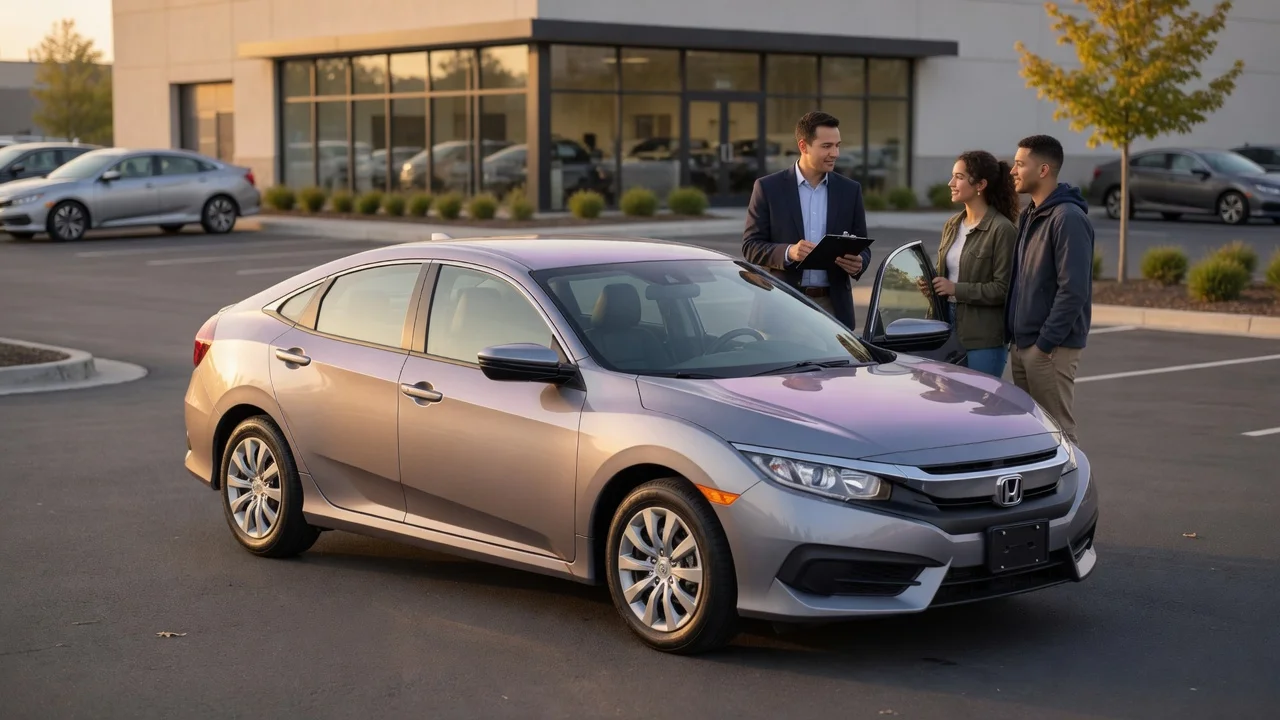
The Short Answer
To find a certified pre-owned Honda near you, search the certified inventory of franchised Honda dealers in your area, either through Honda's own certified-vehicle search for your country or through each dealer's website. A certified pre-owned (CPO) vehicle is a used car that has passed a manufacturer-defined inspection and qualifies for manufacturer-backed warranty coverage beyond a standard used-car sale.
One condition changes this answer: only franchised Honda dealers can sell cars under Honda's own certification program. Independent used-car lots and non-Honda franchise dealers may advertise a Honda as "certified," but that usually refers to the seller's own inspection or a third-party warranty, not Honda's program.
Program names, eligibility rules and warranty terms vary by market and can change over time. In the United States, Honda's used-vehicle program has been marketed under the HondaTrue name, with tiers such as HondaTrue Certified and HondaTrue Certified+. No current program documentation was supplied for this guide, so specific warranty lengths, mileage limits, age limits and inspection-point counts are not stated here. Confirm them with Honda's official program materials for your country or with a Honda dealer before relying on them.
How to Search for Certified Honda Inventory Nearby
Use Honda's official certified inventory search for your country, enter your postal code, and filter by model, year, price and distance. Check the websites of the Honda dealers closest to you. Most separate certified pre-owned stock from ordinary used stock. If you use a third-party car listing site, filter for manufacturer-certified vehicles and confirm the seller is a franchised Honda dealer. Widen your search radius if local stock is limited. Some dealers can arrange transfers or delivery, but policies and fees vary by dealer. Contact the dealer to confirm the specific vehicle is still available and still certified before you travel.
How to Recognize Genuine Honda Certification
Because "certified" is a common marketing word, the most reliable cue is who is backing the certification. A genuine Honda CPO vehicle is certified under Honda's program and sold by an authorized Honda dealer. Look-alikes include dealer-branded certification, "inspected" or "warranty included" labels, and extended service contracts sold by third parties.
Seller: the dealer should be a franchised Honda dealer, not simply a lot that stocks Honda models. Program name: the listing and paperwork should name Honda's certification program for your market, not a dealer's own program. Inspection record: ask for the completed inspection checklist for that specific vehicle, identified by its VIN (vehicle identification number, the unique 17-character code for the car). Warranty documents: ask for written details of the coverage, including who provides it, what it covers, how long it lasts and when it starts. Vehicle history: ask whether a vehicle history report is included with the certified sale.
If the seller cannot provide Honda program paperwork tied to the car's VIN, treat the vehicle as an ordinary used car regardless of how it is advertised. When in doubt, a Honda dealer or Honda customer relations for your country may be able to confirm whether a VIN is enrolled in the certified program.
Checks to Make Before You Buy
Certification reduces risk but does not replace your own checks. Work through these steps for any specific car you are considering.
Match the VIN on the listing, the paperwork and the vehicle itself. The VIN is typically visible through the windshield at the base of the driver's side and on a label in the driver's door jamb. Check for open safety recalls using the VIN, either through Honda or, in the United States, through NHTSA's recall lookup. Ask the dealer to confirm that any open recalls have been completed before sale. Review the vehicle history report for reported accidents, title problems and ownership history. Read the inspection checklist and ask what was repaired or replaced to meet certification standards. Test drive the car and note any warning lights, unusual noises or handling concerns. Stop the test drive if a red warning light appears or the car does not brake or steer normally, and raise it with the dealer. If you want an independent opinion, ask whether the dealer allows a pre-purchase inspection by a qualified mechanic of your choosing. Get the full price, fees, warranty terms and any add-on products in writing before you sign.
What This Guide Could Not Confirm
No source documentation was provided for this article, so it does not state current Honda CPO warranty durations, mileage or age eligibility limits, inspection-point counts, roadside assistance terms, or how the program differs outside the United States. These details materially affect the value of a certified car, so verify them against Honda's official program terms for your market and the written documents supplied with the specific vehicle.