Find Harley 103 oil capacity
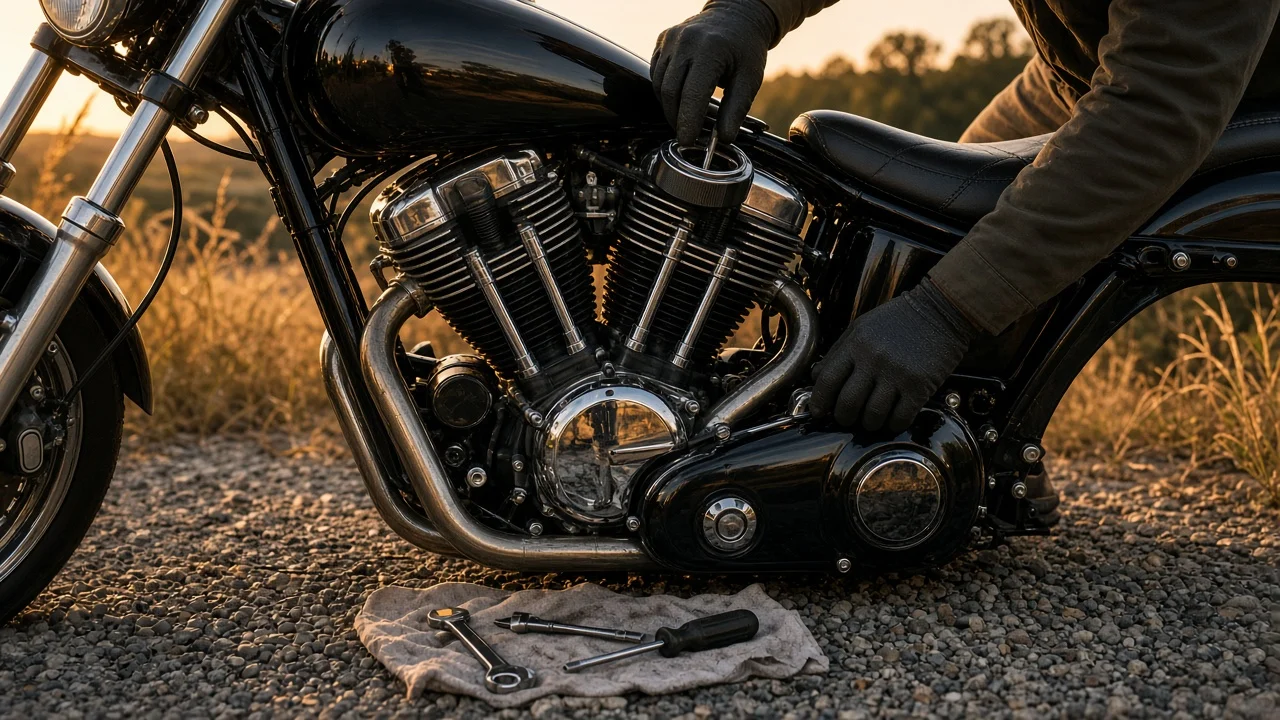
Finding the correct oil amount for a Harley-Davidson 103 engine prevents both overfilling and running the oil level too low. Riders searching for a Harley 103 oil capacity chart usually want a fast reference to plan an oil change, verify a level check, or compare what a service document states. The answer depends on the exact engine type, because the 103 designation covers Twin Cam configurations with different lubrication arrangements. A capacity chart should therefore be treated as a companion to the motorcycle owner’s manual and not as a single universal number for every model year.
Essential answer
The essential answer is that a Harley-Davidson 103 engine oil capacity is not one fixed figure across all models. Total system capacity, including what the filter and oil tank hold during a full service, differs from the amount needed for a simple top-up or a level check. A chart is useful because it groups cold-check and hot-check values according to model configuration. Without confirming the specific motorcycle and service situation, quoting only a general number can easily produce an incorrect fill quantity.
Lubricant specification also matters when reading a capacity reference. The correct viscosity and manufacturer approval do not change the physical volume, but they affect how the oil behaves when the engine is warm and how the level should be interpreted. A dry engine fill after rebuilding requires a different process from a routine drain-and-refill, just as an oil-cooler equipped model may hold slightly more. This is why a chart should be read together with the applicable service interval and equipment identification for the bike.
Identification and location
Identifying the exact engine configuration is the first step before using any capacity reference. The Harley-Davidson 103 engine can appear in different families, and the oil level is commonly checked at the tank rather than solely at a crankcase dipstick on a cold engine. Riders should confirm whether the motorcycle has an oil cooler, the style of oil filter location, and the type of dipstick or fill cap fitted. These details help connect the chart to the correct row or column.
The oil level check itself depends on the engine being upright and, in many cases, at operating temperature after a short ride. A level seen only moments after shutdown can differ from one checked later because oil drains back from passages and the filter. The fill quantity needed to bring the level from the lower mark to the upper mark is usually small, so incremental additions are safer than adding a full chart amount after observing a low reading.