Find auto glass repair in Coral Gables

A small chip or crack in a windshield becomes a safety and visibility problem very quickly, especially in a sunny driving environment like Coral Gables. Heat, road vibration, and moisture can turn a minor impact point into a spreading fracture. Finding auto glass repair in Coral Gables means locating a service that can evaluate the damage, stabilize the glass, and restore clear sightlines before replacement becomes necessary. The right repair preserves the original factory seal and often takes less time than a full windshield swap, so understanding the process helps you act with confidence.
Essential answer
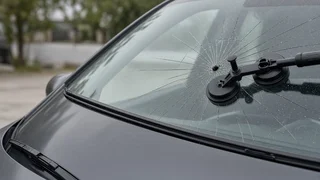
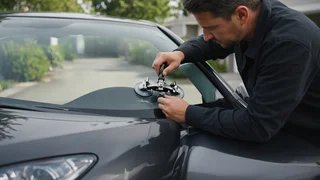
The essential answer is that auto glass repair in Coral Gables addresses stone chips, small cracks, and other localized damage on windshields and side glass without automatically requiring a full pane replacement. A technician injects a clear polymer resin into the damaged area, cures it, and polishes the surface. This restores structural strength and optical clarity while preventing the crack from growing further. The repair is most appropriate when the damage is small, away from the extreme edge, and not directly in the driver's primary line of sight.
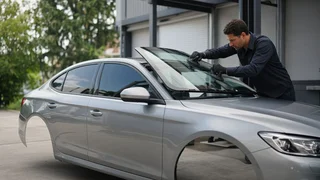
Repair differs from replacement because it preserves the original glass specification and the factory-installed adhesive bond between the windshield and the vehicle body. Keeping that original fitment matters for proper airbag deployment, roof rigidity, and sealing against water and wind noise. A good repair service will inspect how the break reflects light and how deep the damage penetrates. If the inner laminate or the sealing surface is compromised, they may recommend replacement instead, but many common impact points qualify for a lasting repair.
Identification and location
Recognizing repairable damage helps you choose the right service before driving further. Look for a small bullseye, a half-moon, a star-shaped break, or a short crack. These often appear near the edge of the windshield or low on the passenger side after a rock strike. The location matters because damage that reaches the edge may affect the sealing surface or the structural mounting points, which increases the chance that the pane needs replacement rather than resin injection.
A technician also checks for contamination inside the break. Water, dirt, or glass fragments can interfere with adhesive compatibility and the clarity of the finished repair. If the damage has been present through rain or car washes, the area may need careful drying and cleaning first. The goal is to identify whether the impact is confined to the outer glass layer. When the inner layer or the laminate is not breached, the repair can restore most of the original visibility and prevent further expansion under South Florida heat and road stress.
Diagnosing a problem
If you notice a crack growing longer day by day, temperature changes and body flex are likely feeding the stress at the tip of the break. Parking in direct sunlight heats the glass unevenly, while air conditioning cools the cabin side, creating thermal tension. Driving over speed bumps or rough pavement also transmits vibration through the mounting points. A chip that looks stable in the morning can spread by evening. Repairing the area early removes the stress riser and usually prevents the crack from extending beyond the repairable zone.
Not every glass symptom points to impact damage. A long, curved crack that appears without a visible chip may indicate excessive body flex or an improperly bonded windshield. In that case, the adhesive seal or the glass fitment may be at fault, not just the surface damage. If the crack reaches the edge, if moisture is visible inside the laminate, or if the windshield makes noise over bumps, stop using the vehicle for high-speed driving and have the sealing surface inspected. The repair may be possible, but the underlying cause needs confirmation before the glass is expected to hold.