Find a used Toyota Previa 7-seater
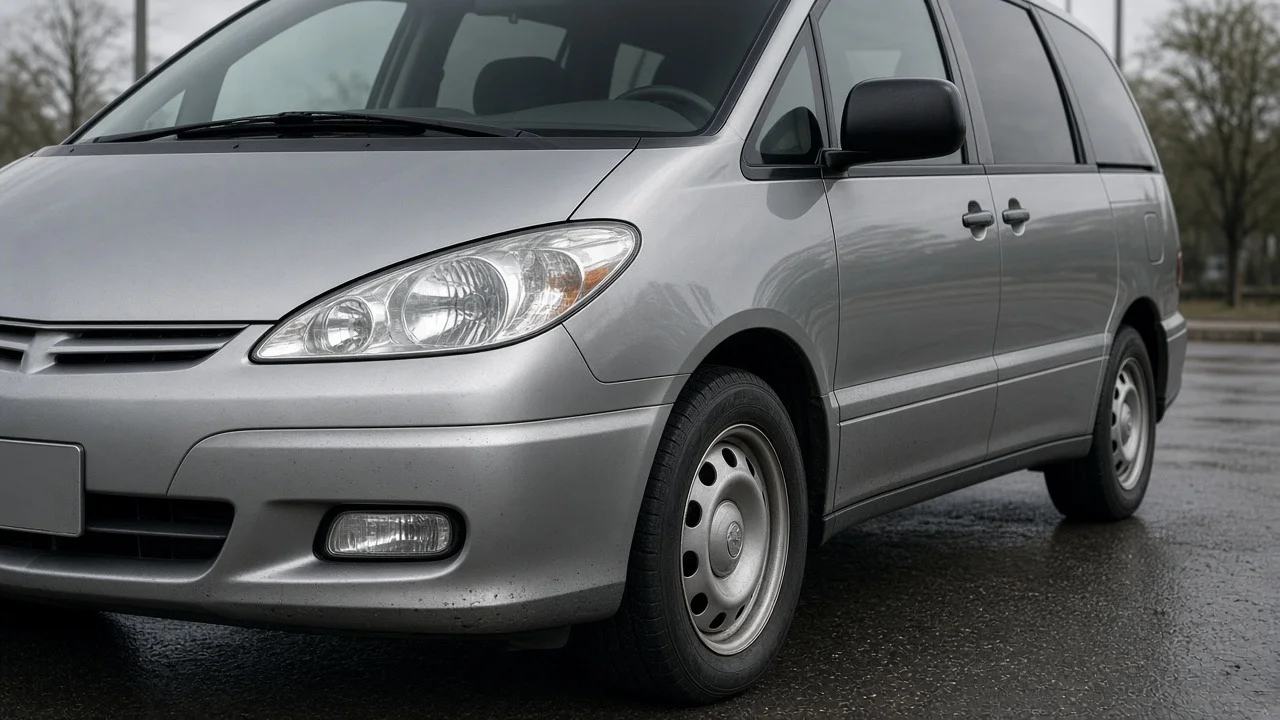
Finding a used Toyota Previa 7-seater means weighing an unusual mid-engine layout, flexible cabin, and aging mechanical systems against today's asking prices. Not every Previa sold as a seven-passenger van has the same seat arrangement or condition, so the real task is narrowing candidates by seating hardware, mileage, and documented care. A smart purchase depends less on rarity and more on reading vehicle history and inspecting the specific areas where these vans accumulate wear.
The direct answer
A used Toyota Previa can serve as a practical 7-seater if the middle-row and third-row seating are present and functional, the body and suspension are sound, and the service record accounts for major mid-engine maintenance. The van's value comes from its space efficiency and distinctive All-Trac availability, but age means condition outweighs trim level. Compare advertised vehicles only after confirming all seven seating positions exist, because some examples were configured or used with fewer seats.
Ownership costs should be estimated from current wear items rather than original reputation. Expect to inspect coolant access, accessory drive routing, suspension bushings, and interior seat mechanisms. Mileage is useful mainly as a starting point; a lower-mileage van with little documentation can hide more deferred work than a higher-mileage example with continuous repair history. This is a search for structural and mechanical completeness, not a rare trim badge.
Identification and location
Confirm the seven-seat layout by walking around the interior and checking each row. The Previa places the driver ahead of a cab-forward windshield, with sliding side doors providing access to the middle and rear areas. Look for the second-row captain's chairs or bench and the foldable or removable rear seat. Seat mounting rails, latch condition, and the presence of every head restraint help distinguish a complete 7-seater from a van that has lost part of its seating hardware.
The engine position is the clearest mechanical landmark. Raise the front seats or access panel to reveal the mostly flat, underfloor engine bay rather than a conventional upright engine under a front hood. Because this mid-engine packaging affects fluid access and drive-belt work, use the vehicle identification plate and underhood labels to verify the model year and market configuration. Matching those identifiers to the maintenance record is more reliable than judging by wheel design or paint color alone.