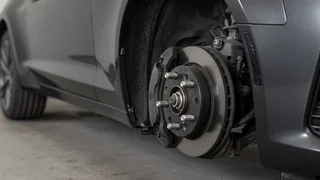
Find 5th-gen 4Runner brake fluid capacity
Brake fluid is the hydraulic link between pedal pressure and clamping force at each caliper, yet its required volume is easy to overlook until a flush or component replacement is underway. For a fifth-generation 4Runner, the question of capacity matters when planning a service, buying fluid, or confirming that a reservoir refill returns the system to a safe level after work on brake pads, rotors, or lines. Because the exact fill amount can vary with equipment, procedure, and how completely the old fluid is removed, the useful approach is to understand how the braking system holds and moves fluid rather than rely on a single universal figure.
Essential answer
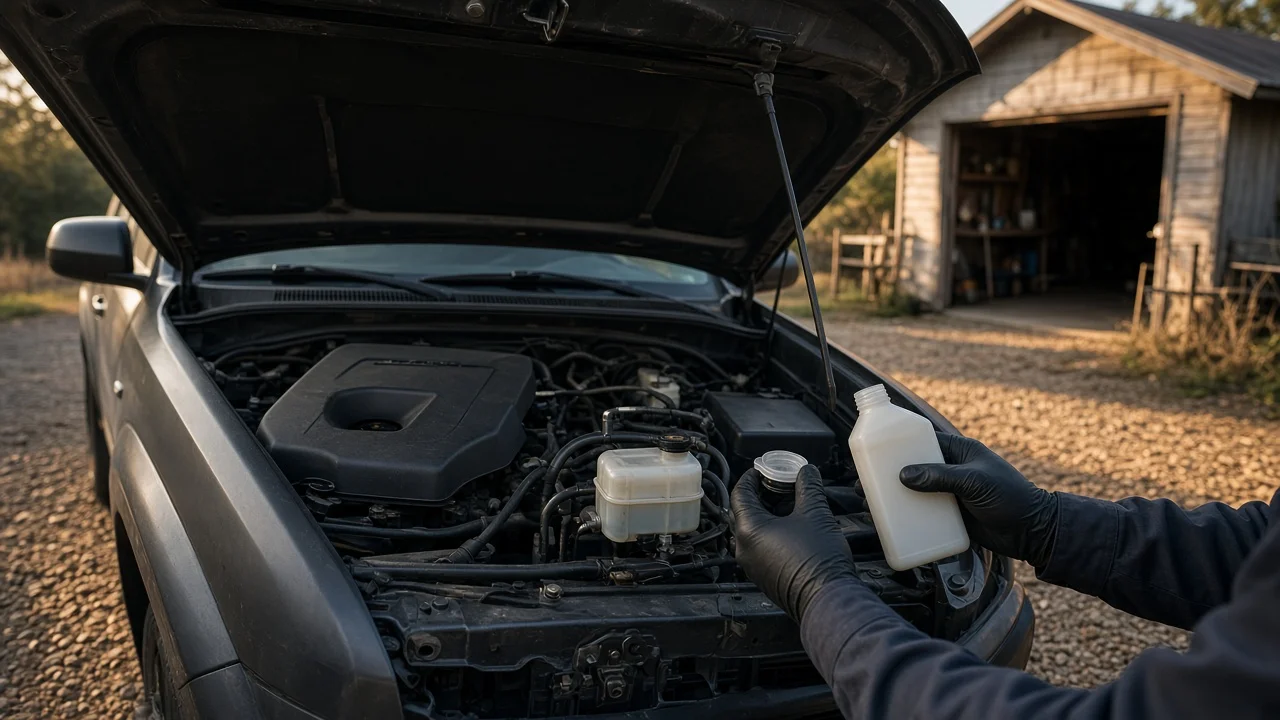
A complete dry-system fill for a fifth-generation 4Runner typically requires more fluid than a routine bleed, because filling empty lines, the master cylinder, and the caliper bores takes additional volume. The reservoir alone holds only a modest amount, often in the range of roughly one liter on vehicles of this size, but the entire hydraulic circuit can demand more when air is being displaced from every corner. Since no confirmed specification is supplied here, the capacity should be treated as approximate and verified against the applicable service documentation for the specific 4Runner configuration.
A practical method is to have one full liter or quart container available for a standard fluid exchange and a second sealed container on hand before starting. That allows you to keep the master cylinder reservoir from running dry while bleeding each brake line, which would introduce air into the antilock braking system and extend the job. Fresh fluid should match the recommended DOT grade, and any opened container should be used promptly because brake fluid absorbs moisture over time.
Identification and location
The brake fluid reservoir is mounted near the firewall on the driver side of the engine bay, close to the brake booster and master cylinder. The translucent body usually has minimum and maximum level markings, making it possible to check the fluid height without opening the cap. On a 4Runner with stability and traction control plumbing, additional lines may route from the master cylinder to the hydraulic control unit, which is part of the reason total capacity differs from the amount visible in the reservoir.
The calipers at each wheel also store a small volume of fluid behind their pistons, and that volume changes as the friction material wears. As the brake pads thin, the pistons extend slightly and more fluid remains in the calipers, lowering the visible level in the reservoir. If the fluid level is near the minimum mark, the cause may be normal pad wear, but it can also indicate a leak at a caliper, hose, or fitting and should be inspected before simply topping off the system.