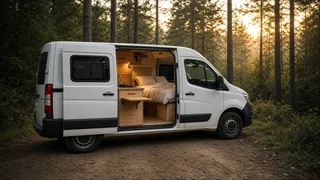
Financing a camper van conversion
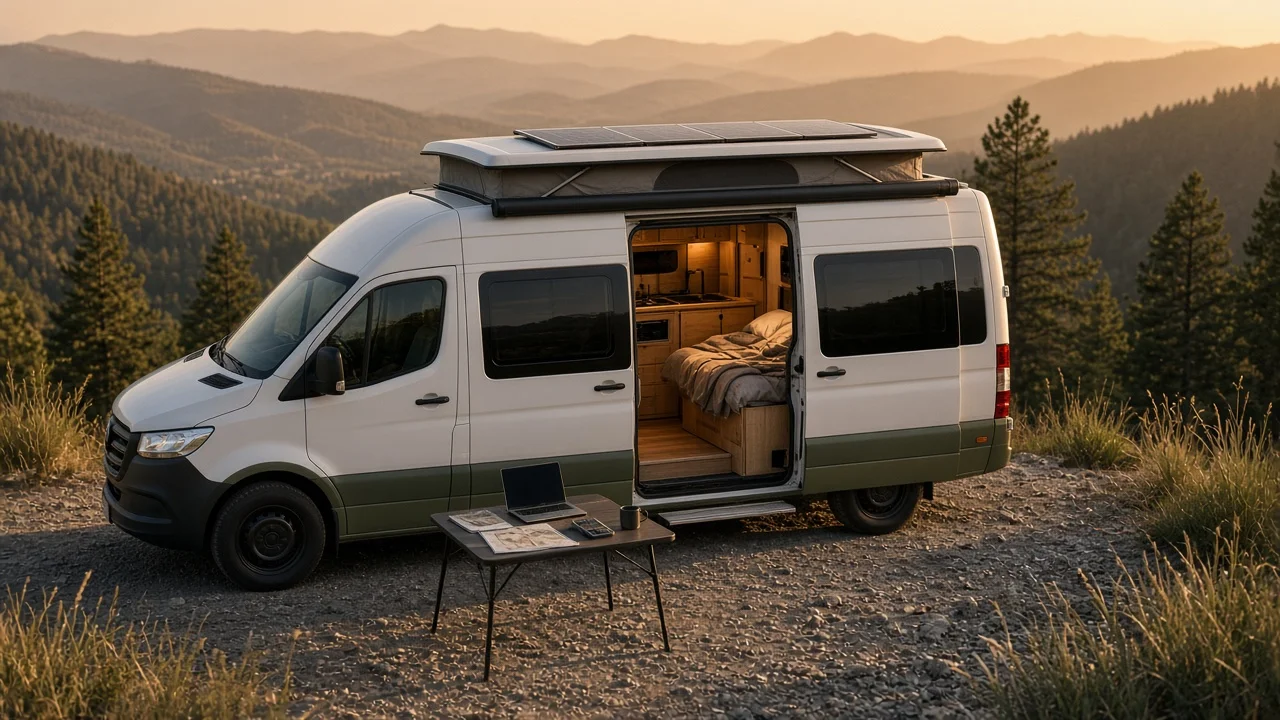
Financing a camper van conversion is rarely a single loan. It often combines the cost of buying a base vehicle with the expense of materials, labor, and systems. Lenders may treat a standard van differently from a completed motorhome, so the vehicle’s condition, mileage, and trim level affect which borrowing options are realistic. Buyers should compare the total ownership costs—including insurance, registration, and upkeep—against the monthly payment before committing. Understanding this distinction helps you choose between an auto loan, a personal loan, an RV loan, or a secured line of credit for the project.
Essential answer
Financing a camper van conversion usually means separating the base van purchase from the build-out. A conventional auto loan can cover a newer, unmodified cargo or passenger van because lenders assess it like any other used vehicle using comparable vehicles, mileage, and a standard inspection. Once the interior is stripped and cabinets, electrical systems, and plumbing are added, the collateral no longer fits that simple category. Some lenders will not finance a partially converted van at all, while others require an RV loan or a personal loan that does not use the vehicle as security.
The practical path is to finance the van itself first, then fund the conversion through savings, a personal loan, or a dedicated renovation product if you qualify. The vehicle history and overall condition matter more than the planned solar setup or bed platform. Because a conversion can take months, the value of the finished build may not be recognized by a lender until it is professionally completed and titled or reclassified as a motorhome in your state. This means you should plan to carry the base vehicle payment during the build rather than expecting one loan to cover every stage from empty shell to finished camper.