Fiat 500 steering angle sensor

A Fiat 500 steering angle sensor is a small electronic input used by the stability and steering systems to understand where the driver is pointing the front wheels. When its signal becomes implausible, dash warnings often appear even if the basic steering feels normal. This overview explains what the component does, why the city car depends on it, and how a diagnostic reading should be interpreted before any repair decision. The goal is to give owners a practical, supported way to think about sensor faults without assuming that a code alone identifies a failed part.
Essential answer
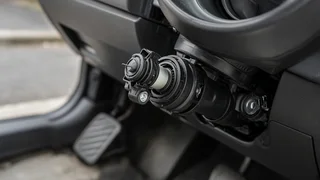
The essential answer is that this sensor measures the steering wheel’s rotational position and rate of turn, then sends that data to modules such as the electronic stability control system. On a Fiat 500, the information is used to compare the driver’s intended path with the vehicle’s actual yaw and wheel-speed behavior. When the values disagree, the system may reduce torque, brake a wheel, or illuminate a warning. The sensor itself is commonly located in the steering column or within the clock spring area, depending on model year and market configuration.
A fault code for the steering angle sensor is evidence of a communication or plausibility problem, not proof that the sensor assembly has failed. The issue may still involve related inputs such as wheel alignment, steering joint play, or a disturbed mounting point. Because the Fiat 500 platform relies on short wheelbase behavior to trigger stability intervention, even a slight calibration loss can produce a warning. Manufacturer-dependent codes therefore require vehicle-specific confirmation before replacing the sensor.