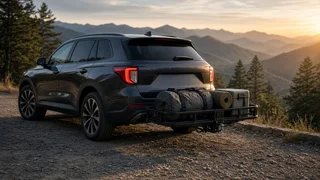
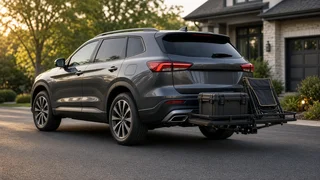
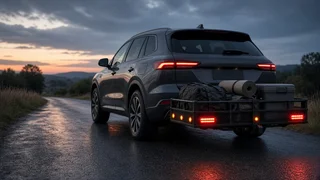
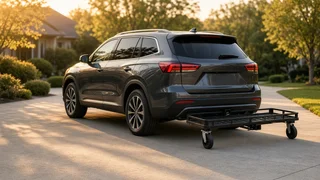
Extra large hitch mounted cargo carrier
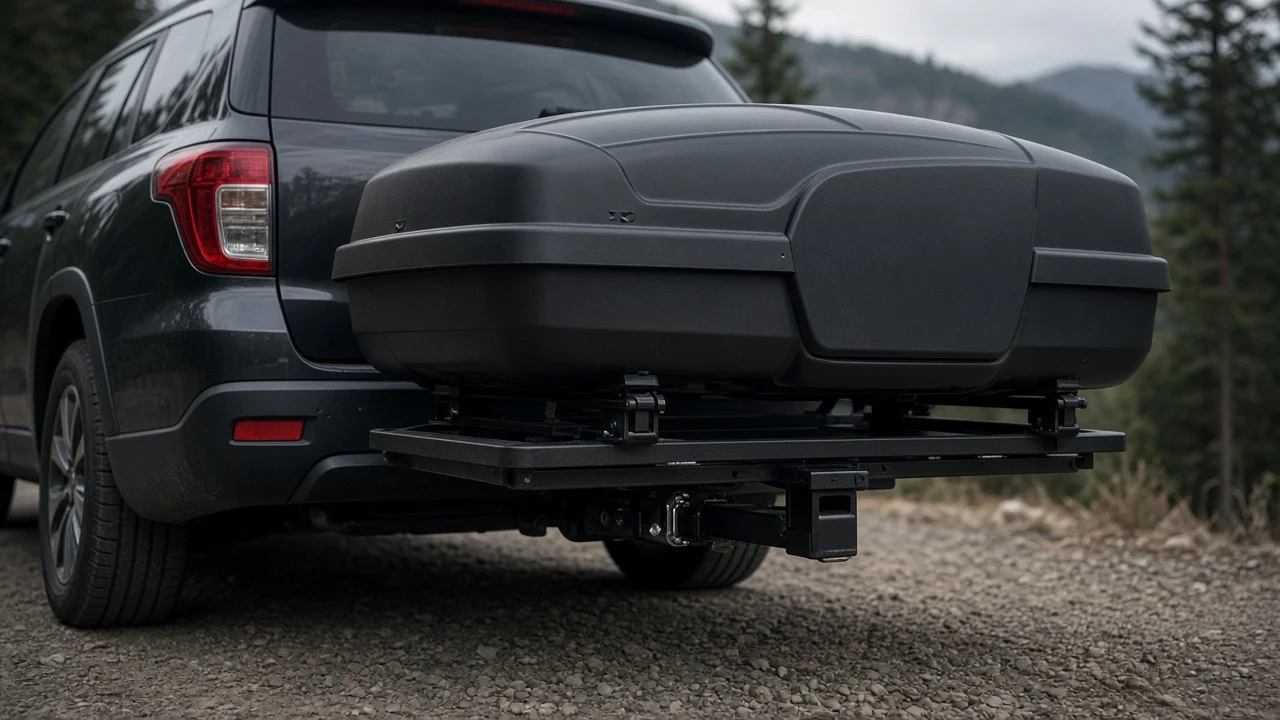
Choosing an extra large hitch mounted cargo carrier means balancing the cargo you need to move with the limits of your receiver, vehicle payload, and the space behind the bumper. The right unit adds secure enclosed or open carrying area without forcing gear inside the cabin, but an oversized platform can affect departure angle, rear visibility, and handling. Buyers should evaluate the hitch class, tongue weight allowance, shank dimensions, and the way the basket places mass behind the axle before purchase. A well-matched carrier makes loading easier and keeps the load stable on the highway.
The direct answer
A large hitch cargo carrier should be sized for the load you regularly carry, the receiver opening, and the vehicle’s stated tongue weight. The receiver class is a starting point, but the vehicle’s own weight rating often sets a lower practical limit than the hitch hardware. Because the platform holds weight some distance behind the ball mount, leverage increases the effective load at the receiver and reduces steering feel. Confirm the empty carrier weight as part of the total, then leave a safe margin for bumps, braking, and cargo shifting.
Material choice and surface treatment matter where the carrier is exposed to rain, road salt, and stone strikes. Steel has high strength for the frame and mounting tube, but it needs durable paint, powder coat, or another corrosion protection layer to resist rust at scratched edges and weld points. Aluminum can reduce weight and preserve more payload, yet it may have a softer surface material that shows wear. Check the mounting points, the shank rise or drop, and the distance from the hitch pin hole to the cargo area when clearing a rear bumper, spare tire, or liftgate.