Exhaust Pipe Expanders: Choosing and Using the Tool
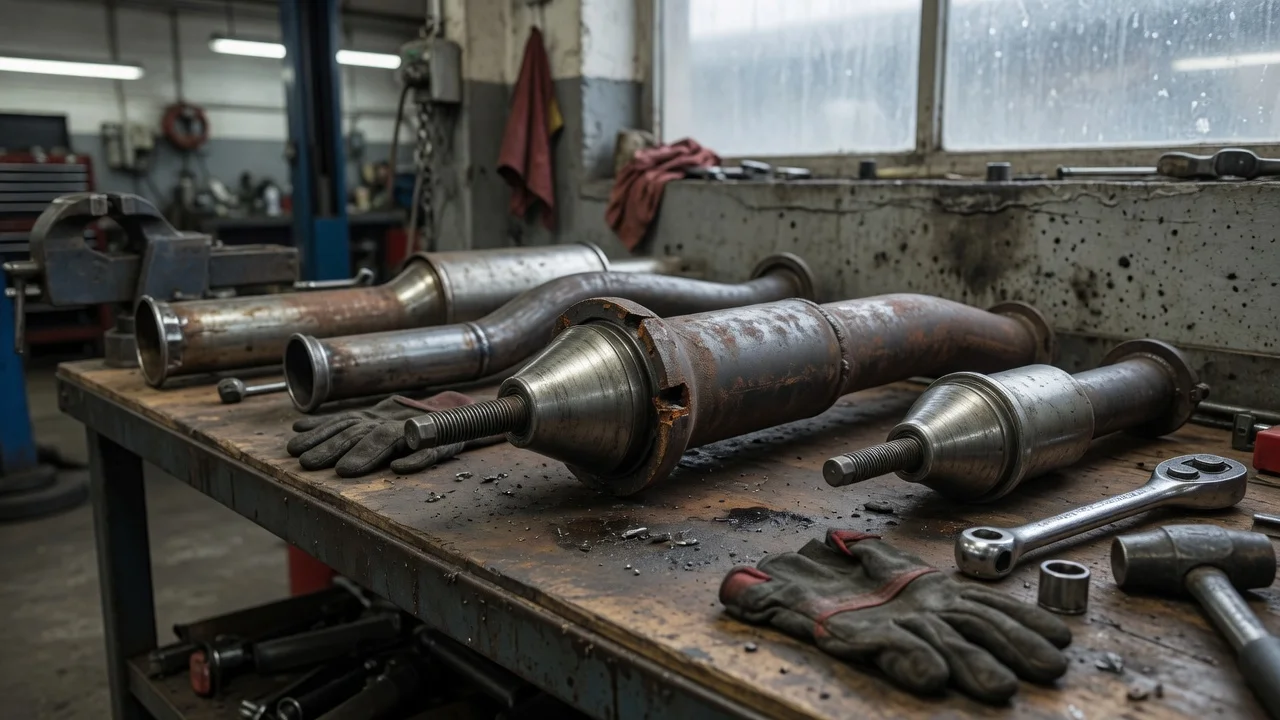
What an Exhaust Pipe Expander Does
An exhaust pipe expander is a mechanical tool that enlarges the end of a metal exhaust pipe so another pipe or fitting can slide into it. Standard expanders work by inserting expanding segments or fingers into the pipe and forcing them outward, usually with a wrench or impact tool. Hydraulic expanders perform the same job with a pump and ram, which reduces the effort required and helps produce a more even expansion.
The most common use is to repair a pipe end that has been crushed, deformed, or cut during exhaust repair. Expanding the pipe restores enough roundness and clearance for a slip-fit connection. These tools are also used when adapting pipes with slightly different diameters, although they should not be treated as a substitute for a proper pipe sizing adapter if the difference is substantial.
Types of Exhaust Pipe Expanders
Exhaust pipe expanders fall into two broad groups: manual screw-type expanders and hydraulic expanders. Manual expanders are simpler and less expensive. They use a threaded rod or bolt to drive the expanding head outward. Hydraulic expanders use a pump and ram to apply pressure, which can be faster and more consistent when working on thicker or harder pipe.
Key Sizing Considerations
Pipe expanders are sold in size ranges, and choosing the correct range matters more than the tool brand. A tool that starts too large will not enter the pipe, while one that cannot reach the required expanded diameter will not complete the repair. Measure the inside diameter of the pipe before expanding and compare it with the tool's stated minimum and maximum range.
Exhaust pipe diameter is normally described by the outside diameter, while the expander's working range is often given as a minimum and maximum inside diameter. Because the same stated size can appear in slightly different forms from different suppliers, use the actual tool specifications rather than relying only on a nominal label such as "2 inch."
Check the pipe's measured inside diameter before selecting a tool. Confirm that the expander's working range covers both the starting size and the required finished size. For a slip-fit repair, expand only enough to restore a close fit; excessive expansion can thin the pipe wall or split old corroded tubing.
Manual vs. Hydraulic Expanders
A manual expander is generally the better value for occasional use because the tool is compact, inexpensive, and suitable for smaller pipe and light correction work. The trade-off is that the user supplies all the turning force, which can become tiring on heavy-duty exhaust tubing.
A hydraulic expander is preferable when many pipes must be expanded in one job, when the pipe is thick or made from harder metal, or when a more controlled and uniform expansion is required. The disadvantage is higher cost and additional equipment, including a pump and hydraulic hose, which must be kept clean and properly stored.
How to Use an Exhaust Pipe Expander
Start by cleaning the area around the pipe end so the expanding head can seat fully. Insert the tool until the contact fingers or segments are inside the pipe, leaving enough of the tool accessible to operate. Work in small increments, rotating the tool or pipe slightly between adjustments so the expansion does not become lopsided.
On corroded or rust-thinned exhaust pipe, aggressive expansion can crack the metal. Heat can sometimes help by softening the area, but it should be applied carefully and only after checking that the surrounding area is safe to heat. When using a hydraulic expander, follow the pump manufacturer's pressure guidance and stop periodically to test whether the mating pipe already fits.
Common Mistakes to Avoid
Selecting a tool by nominal pipe label without confirming its actual working range. Expanding too far in one pass, which can create an oval end or weaken the pipe wall. Using an expander to stretch a pipe enough to match a much larger fitting instead of using a proper adapter. Applying full force to severely rusted pipe that may crack or collapse.
What to Check Before Buying
The single most important purchase decision is the expander's size range. After that, consider whether the tool will be used frequently enough to justify hydraulic equipment. Manual expanders are adequate for most home and light workshop repairs, while hydraulic models are more appropriate for regular professional use or larger-diameter exhaust work.
This guide is based on general characteristics of exhaust pipe expanders rather than a single tested model. Individual tool quality, long-term durability, and finish can vary between manufacturers, so use the stated size range and the intended workload as the primary comparison points.