EVs and Hybrids in Cold Weather: Range Loss, Preconditioning and Battery Blankets
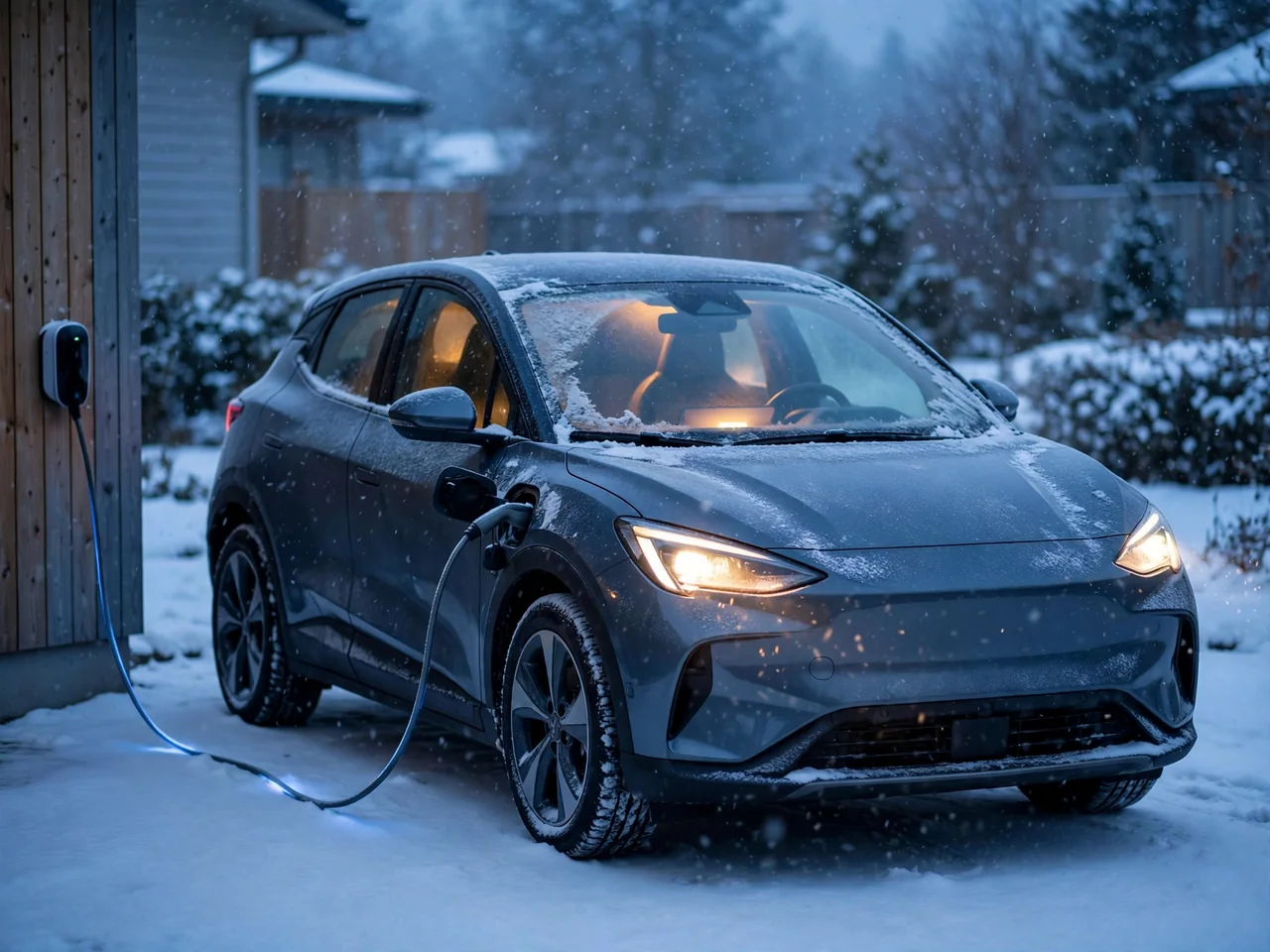
Cold weather reduces the usable range of electric vehicles and hybrids because lithium-ion cells become sluggish when temperatures drop. The chemical reactions that store and release energy slow down, reducing both available capacity and the power the battery can deliver or accept. On top of that, cabin heating, denser air, and winter road conditions draw extra energy. For owners of models like the Nissan Leaf, Hyundai Kona, Toyota Prius, and Prius Prime, understanding these effects and how to manage them through preconditioning, efficient heating, and careful battery care can make winter driving more predictable.
Why Cold Weather Reduces Electric Car Range
Inside a lithium-ion battery, ions move between electrodes through an electrolyte. Low temperatures make that electrolyte more viscous and slow the chemical reactions, which raises internal resistance. The result is a temporary drop in usable energy and a limit on how much current the pack can safely provide. The car compensates by reducing acceleration and regenerative braking, and the battery management system may cap charging power to protect the cells from lithium plating. This is a physical limitation of battery chemistry, not a defect.
The range loss in cold weather is mostly reversible. Once the battery warms up from driving or charging, its performance returns, and the lost capacity is not generally permanent. However, the dashboard range estimate can look alarming after a cold trip because it reflects recent energy consumption, including heater use and the battery’s cold state. The actual drop varies widely depending on temperature, trip length, heating system type, and driving style, so a single percentage cannot describe every winter situation.
How to Read an Electric Car Winter Range Test
A meaningful winter range test controls variables that affect energy use. Outside temperature, starting state of charge, average speed, cabin temperature setting, route elevation, and whether the car was preconditioned all change the outcome. Without matching these conditions, two tests of the same model can produce very different results. Even with careful controls, one test on one day reflects that specific weather and road state, not a universal rating. Snow, slush, wind, and tire type add further variability.
For a personal check, owners can log trips over several winter weeks. Record the outside temperature, trip distance, battery percentage used, and whether the cabin heater or seat heaters were on. Over time, this reveals the car’s typical cold-weather consumption. It is important to understand that a winter range test shows behavior under specific conditions, not a guaranteed range for a given model. Driver habits, route, and preconditioning choices will shift the result on any given day.
Cabin Heat, Charging Speed and Battery Health in Winter
Cabin heating consumes a noticeable share of energy because an EV does not have a large waste-heat source like a gasoline engine. Resistive heaters turn electricity directly into heat, which drains the battery quickly. Heat pumps move existing heat from the outside air into the cabin and use less electricity in moderately cold conditions, though their advantage shrinks as temperatures drop. Drivers can reduce this load by using heated seats and a heated steering wheel, which warm the body with less energy than heating the entire cabin.
DC fast charging is often slower on a cold battery because the battery management system limits charging current to avoid damaging the cells. Preconditioning the battery before arriving at a charger helps it accept higher power sooner. For long-term battery health, normal winter use is not generally described as damaging, but owners should follow the owner’s manual on storage charge levels and leaving the car unplugged in extreme cold. If the range drops unusually low or the car shows battery warnings, a dealer or qualified EV technician should test the battery rather than guessing at a cause.
Battery Preconditioning and Conditioning Explained
Battery preconditioning warms the pack to an efficient operating temperature before driving or fast charging. Cabin preconditioning warms the interior while the car is still plugged in. Many EVs also manage battery temperature automatically during driving or charging. When preconditioning happens while connected to grid power, the energy comes from the wall instead of the battery, preserving range for the trip. This is especially useful on cold mornings with a departure timer or companion app.
Some vehicles start battery heating when a fast charger is set as the navigation destination. Others only precondition the cabin. Features and menu names vary by model and software version, so checking the owner’s manual or manufacturer app is the only reliable way to confirm what a specific car supports. Preconditioning reduces winter losses and improves charging speed, but it does not remove the cold-weather range penalty entirely. The battery still cools down while parked, and driving in very low temperatures continues to draw energy.
Do EV Battery Blankets and Warmers Help?
Battery blankets and warmers are external heating pads or wraps that some owners consider for keeping the pack warm in cold weather. They differ from the thermal management systems built into many EVs, which circulate heated or cooled liquid through the pack. Factory systems are integrated with the battery’s controls and safety logic. Aftermarket accessories are not. Owners should never wrap, open, modify, or attach heating devices to a high-voltage battery pack. Doing so can damage the pack, void the warranty, and create a serious safety risk.
Safer ways to keep the battery warmer include parking in a garage, staying plugged in during cold snaps, and using factory preconditioning. These methods work with the vehicle’s existing thermal management. It is also important to separate high-voltage battery care from 12-volt auxiliary battery care. A weak 12-volt battery can stop an EV or hybrid from starting in winter, even when the main pack is fine. No specific product recommendations or compatibility claims can be made here.
Winter Driving Tips for the Nissan Leaf and Hyundai Kona
Winter driving in a Nissan Leaf or Hyundai Kona requires planning for reduced range and slower charging. Leave extra margin in trip planning, use scheduled charging so the car finishes charging close to departure, and set climate timers to warm the cabin while plugged in. On snowy or icy roads, drive smoothly with gentle acceleration and braking. Regenerative braking can feel different on low traction surfaces; strong regen may cause the front wheels to slip during deceleration. Check the owner’s manual for guidance on regen and traction settings for each model.
Before winter, check tires, wipers, washer fluid, the 12-volt battery, and charging equipment. Tire pressure drops in cold weather, which increases rolling resistance. The exact battery heating, heat pump, and preconditioning features depend on model year and trim, so confirm them in the manual or official app. If the range suddenly drops far below normal or a battery warning light appears, do not rely on generic online explanations. A dealer diagnosis is the appropriate next step.
Winter Driving With the Toyota Prius and Prius Prime
Hybrids like the Toyota Prius also lose some efficiency in cold weather, though less dramatically than EVs. The gasoline engine may run more often to warm itself and provide cabin heat, which reduces fuel economy. The hybrid battery works less efficiently when cold, so the system cannot capture as much energy through regenerative braking. For the plug-in Prius Prime, cold weather shortens the electric-only range and may cause the engine to start more often to supply heat or maintain battery temperature. Exact behavior varies by model year and should be confirmed in the owner’s manual.
Practical winter habits for Prius owners include combining short trips so the engine and battery stay warm, using available climate timers or seat heaters, and parking in a garage when possible. Check tire pressure regularly, since cold air lowers it, and consider winter tires where appropriate. A weak 12-volt battery is a common cause of winter starting problems in hybrids. If the hybrid system warning light comes on, it requires professional diagnosis. Generic online explanations cannot replace a proper scan of the vehicle’s trouble codes and live data.