EV Charging Companies Explained: Who Runs Public Chargers
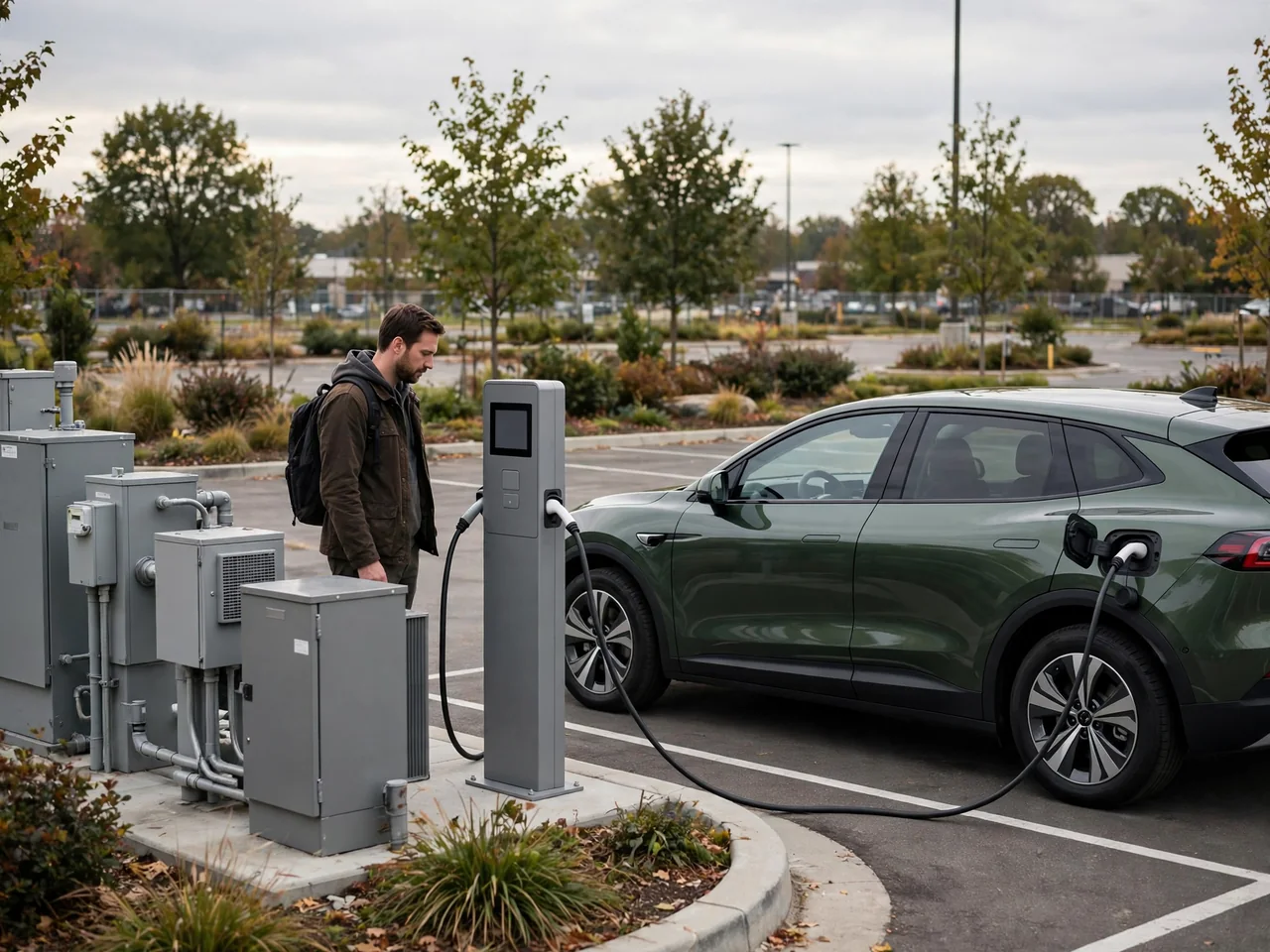
Electric car charging companies are not a single trade. A public stop can involve a charging station owner, a site host, a charging network, a charging hardware manufacturer, and an electrical installer. One electric car charging company may fill several of those roles, and a logo on a cabinet does not identify who owns the property, supplies electricity, or handles station maintenance. Knowing the split helps drivers use public chargers with fewer surprises.
The Companies Behind a Public EV Charging Stop
When you pull into a public EV charging stop, several electric car charging station companies can already be in the background. The charging station owner holds the equipment as an asset. The site host is the property owner or tenant who provides parking, access hours, and local rules. A charge point operator or charging network may run connectivity, charging management software, and customer access. A charging hardware manufacturer supplied the cabinet and connectors. An electrical installer commissioned the circuit. One firm can fill more than one of those jobs.
Picture a grocery lot with two DC stalls. The retailer is the site host and may restrict overnight parking. A network operator authorizes the session and handles payment processing. The hardware came from a company that makes electric car charging stations, while a contractor completed the electrical work. The charging station owner might be the host, the network, or a third party. The brand on the charger does not prove who owns the property, who sells the electricity, or who is responsible if the unit is offline.
What Public Charging Networks Handle
Public charging networks sit between the charger and the driver. A charge point operator can keep the station online, authorize a session, show charging status, run billing, and staff customer support. Charging management software reports whether a stall is occupied, available, or faulted. Payment processing may live in the network app, a card reader, or a plug-and-charge credential. Roaming access can let another electric car charging company start a session on equipment it does not operate, so the app you use is not always the business that runs the stall.
Pricing and station maintenance are not automatic network duties. The operator and charging station owner decide who sets rates, who restocks cables, and who dispatches repairs. A roaming partner may bill you even when another firm owns the hardware. If a session fails, read the station label, charger ID, payment screen, and listed support contact before assuming a part has failed. Those details tell support which unit you used and which company should look at connectivity, authorization, or the cabinet itself.
What Charging Equipment Manufacturers Supply
Companies that make electric car charging stations build the cabinets, power electronics, and connectors drivers actually plug into. Some charging hardware manufacturers also sell charging management software, remote diagnostics, warranties, or technician support for the equipment they ship. AC equipment typically supplies slower charging through an onboard vehicle charger. DC fast charging equipment converts power at the stall and can deliver a higher-rate session when the vehicle and connector support it. Those differences matter at a public stop, but they do not prove every vehicle can use every stall.
The name of an electric car charging station company on a cabinet is a hardware clue, not an operating map. Manufacturing a charger does not establish public access, accepted payment methods, or who answers when a session will not start. Before you plug in, confirm the connector type, vehicle requirements, and whether an approved adapter is required and allowed at that stall. If the hardware, inlet, or adapter path does not match, do not force a connection. Check the car and the posted stall information; compatibility is vehicle- and site-specific.
How Site Hosts, Installers, and Utilities Support Stations
Site hosts and property owners decide where public chargers can sit, and they remain in the picture even when a branded network operates the stall. A host may set parking access, operating hours, time limits, or conditions such as customer-only use. Professional installation is a separate trade. An electrical installer typically starts with a site assessment, then handles permitting, electrical capacity, conduit, protective devices, and commissioning so the stall can go live. That work does not make the installer the charging station owner or the public network drivers see in an app.
The electric utility may upgrade service, review capacity, or meter the site, but that does not mean the utility owns or operates the chargers. Installation and ongoing station maintenance can be separate contracts among the host, owner, network, and service vendor. Drivers should not open cabinets or diagnose circuits. If a stall is out of service, use the posted support channel, charger ID, and any on-screen fault information. A fault indication is evidence to interpret, not proof that a particular part has failed.
What Drivers Should Check Before Using a Charging Site
Before you commit to a stall, check access hours, connector compatibility, reported availability, payment options, and parking restrictions. A charging network app or roaming access tool may show status, but the stall can still be occupied, blocked, or reserved. Confirm that your vehicle inlet matches the cable, and that the site host allows the parking you need. Some lots require a store visit, a time limit, or a permit. Those conditions come from the property, not from companies that make electric car charging stations.
Review the displayed charging rate and any session, idle, or parking fees before you start. Posted prices can differ from an app, and a roaming bill can arrive from a different electric car charging company than the logo on the cabinet. If the session fails, record the location, charger ID, time, and exact error message without deciding which component failed. Leave visibly damaged cables, cracked housings, or flooded pedestals unused and report them through the listed contact. Do not attempt electrical troubleshooting, cabinet access, or repairs.
Understanding EV Charging Company Roles in the UK
In the United Kingdom, searches for electric car charging companies often turn up two labels. A charge point operator typically runs the physical stations, connectivity, and much of the on-site customer experience. An e-mobility service provider typically sells access, accounts, and roaming so a driver can start sessions across more than one charging network. The same firm can perform both functions, and a single stop can still involve a site host, hardware maker, and installer. This is a map of roles, not a directory of brands or an investment list.
Before using a UK station, verify connector requirements, payment access, site restrictions, and displayed charges on that stall. Manufacturer-dependent connectors and account rules need vehicle-specific confirmation. A company's presence in the country does not mean every charger is publicly accessible, staffed the same way, or available through one account. Roaming access, contactless payment, and app-only stalls can sit on the same street. Treat each site as its own arrangement among the host, owner, operator, and equipment supplier, then start a session only when access and hardware match the vehicle.