EV Charging Cable Theft: Locks and How to Protect Your Cable
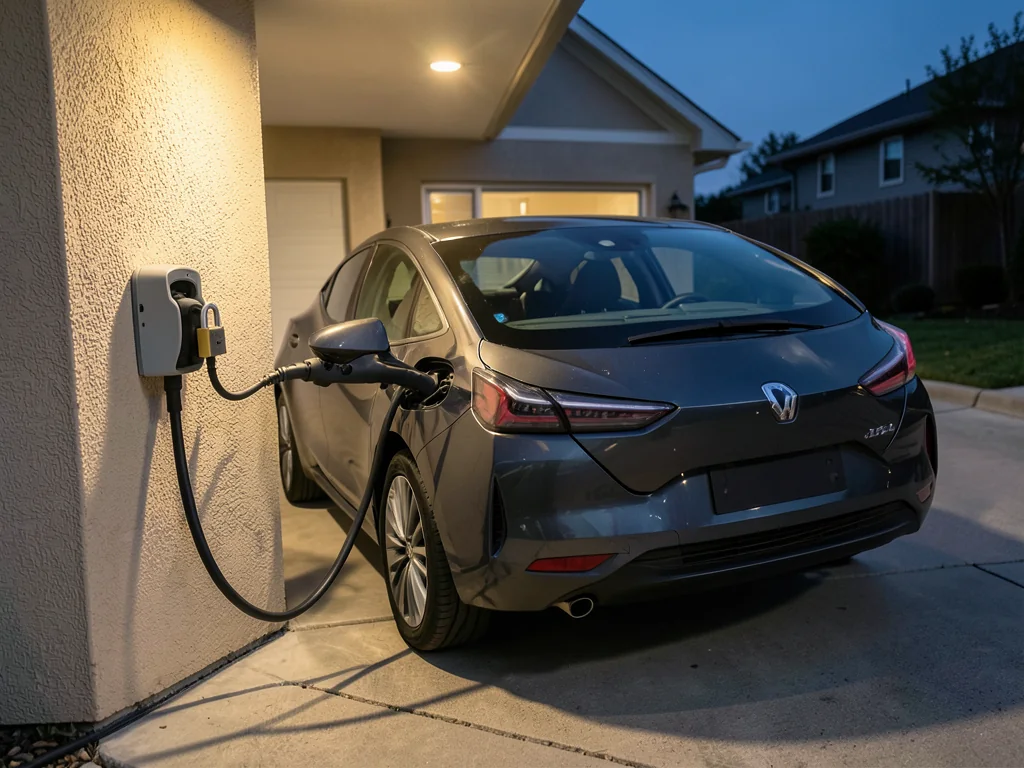
EV charging cable theft is a growing worry because the cable looks easy to cut and carries valuable copper conductors. A thief is more interested in scrap metal than in making your car charge again, and the loss often leaves you with a broken charger and a costly replacement. The right lock, a secure holster, or a simple charging habit can reduce that risk at home and at public stations.
Why EV Charging Cables Are Targeted by Thieves
Thieves generally steal an EV charging cable for the copper inside, not to use it as a charger themselves. Copper conductors run through the full length of the cable, and metal recyclers will pay cash for stripped wire. That makes a thick Type 2 or J1772 cable look like a quick score, especially when it is left plugged into a car overnight. The actual resale value of a stolen cable is far less than the cost of buying a replacement EVSE, which is why owners feel the loss so sharply.
Copper content varies with conductor size, cable length, and whether the circuit is single-phase or three-phase. A higher rated current demands larger conductors, so a 32-amp cable holds more copper than a 16-amp cable of the same length, but there is no universal weight to quote. Common theft situations include cables left plugged in overnight at home, tethered cables cut at public stations, and portable cables stored in unlocked vehicles. Opportunistic thieves look for the easiest target, so any exposed or unattended cable invites trouble.
How Built-In Charging Cable Locking Works
Most modern EVs can lock the connector into the charging inlet while the car is locked or while charging is active. This latch is often controlled by the vehicle's central locking, but the exact behavior depends on the make and model. Some cars hold the connector until the driver unlocks the doors; others release it when the battery reaches a set charge level. These settings are normally changed through the infotainment screen or the manufacturer's app, so owners should look for terms like permanent cable lock or unlock-on-completion.
On the other end of an untethered cable, many wallboxes and public chargers can also lock the plug into their socket. This feature varies by unit, and not every charger includes it. If the connector is stuck, drivers should use the vehicle's release button, the app command, or the charger's stop function. Forcing or prying the latch can break the inlet or the plug, and a damaged charging inlet may need expensive repair. When a cable will not release, contacting the charging network or the vehicle support line is the safest first step.
Types of Aftermarket Cable Locks and Padlocks
Aftermarket protection comes in several forms. Inlet lock covers plug into a Type 1 or Type 2 inlet to keep a charging cable from being removed, while padlock-compatible holsters clamp around the connector or cable. Cable-to-fixture locks loop the cable through a fixed object, and lockable storage boxes hold a portable EVSE when it is not in use. Because the shapes of J1772, Type 1, and Type 2 connectors differ, a lock made for one standard will not fit another, so buyers must verify compatibility with the product maker.
Padlocks and simple cable locks deter opportunistic theft, but a determined thief with bolt cutters can defeat most of them. They also add extra steps: unlocking the holster, removing the padlock, and storing it before every drive. A lock that fits too tightly can block airflow around the connector, stop the plug from seating fully, or put strain on the cable and inlet, which may lead to overheating. The best choice is a lock designed for the specific connector and used exactly as the manufacturer instructs.
Protecting Your Cable at Public Chargers
At public chargers, the vehicle-side cable lock is the first and most effective defense. Activating it means the connector cannot be pulled from the car while you are away, and a thief is less likely to spend time fighting a locked inlet. When the vehicle does not offer this feature, drivers can use an aftermarket lock or choose a tethered charger that secures the cable to the unit. The goal is to make stealing the cable take more time and produce more noise than a thief is willing to risk.
Location matters as much as locks. Well-lit, busy, or camera-covered charging spots reduce the chance of a cut cable, and returning to the car promptly keeps portable cables from sitting unattended for hours. Charging app notifications can show when a session stops unexpectedly, which may indicate tampering or power loss. If a customer finds a cut or damaged tethered cable at a public station, they should report it to the network operator immediately and not attempt to use the damaged equipment.
Home Charging Security Habits
At home, a tethered wallbox with a lockable holster offers strong protection because the cable stays secured to the charger when not in use. Owners without a tethered unit can store a portable cable inside a locked garage, building, or lockable box, which keeps it out of sight and out of easy reach. A holster mounted high on a wall and out of view from the street makes a quick grab less appealing than a cable left coiled on the driveway.
Deterrents such as motion-activated lighting and security cameras reduce opportunity, though they do not guarantee safety. Keeping the cable coiled and secured away from driveways and sidewalks prevents trips and makes cutting more awkward. Homeowners should also check their insurance policy to see whether charging equipment theft is covered. Keeping receipts and serial numbers makes a claim easier, and knowing what documentation the insurer wants can speed up recovery if a theft occurs.
What to Do If Your Cable Is Stolen or Tampered With
A cable with exposed copper, cut insulation, or a damaged connector is an electrical hazard and must not be used or touched. Even if the charger appears off, stored energy or a live circuit can cause injury. Leave the damaged cable where it is, shut off power at the breaker if it is a home unit, and call a qualified electrician or the charging network. Treat any visible conductor as if it were live until a professional confirms it is safe.
After a theft, report the incident to the police and, for a public station, to the charging network operator. Photos of the location, the cut cable, and any identifying marks help. A replacement cable must be rated for the vehicle and charger, and guessing at compatibility can lead to overheating or poor performance. Confirm the correct connector type and amperage with the vehicle or equipment maker, and have a qualified electrician inspect any wallbox, wiring, or inlet that shows damage from tampering.