EV Charging Cable Stuck in the Car or Charger: How to Release It Safely
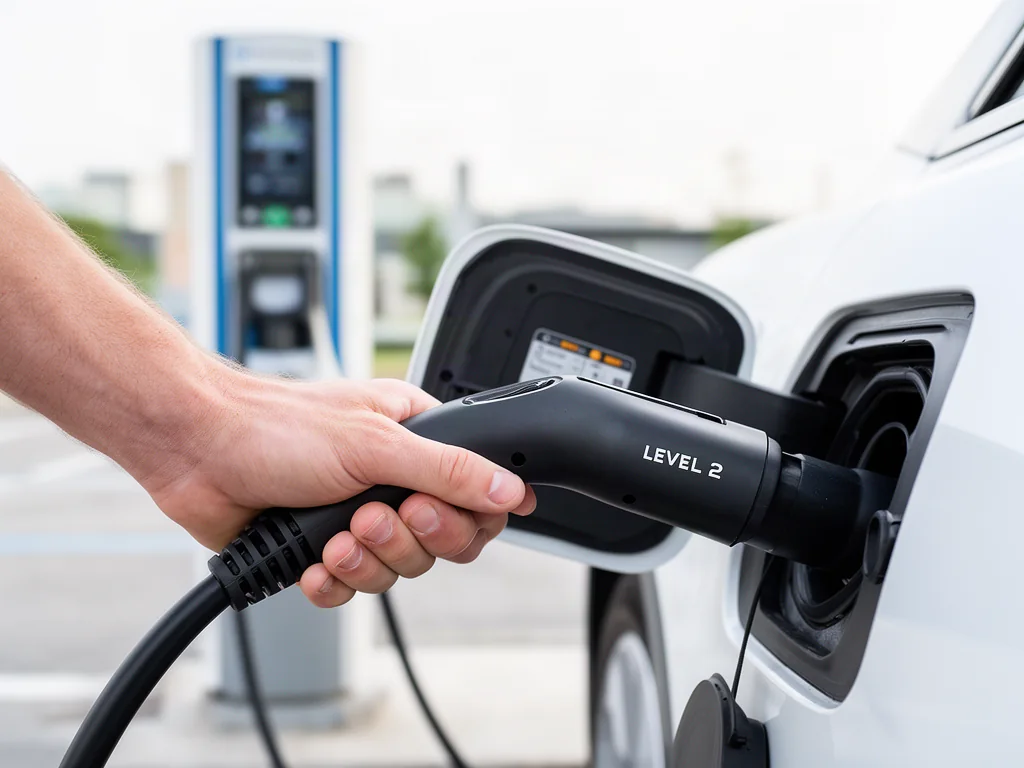
An EV charging cable stuck in the charger or car is usually a lock that has not been told to release, not a failed connector. The vehicle locks the coupler during a session to protect against arcing and theft, and the charging station may do the same on its socket. Normal steps—ending the session, unlocking the car, and pressing the latch—resolve most cases. If the cable won't release, understanding the charge port lock and available manual overrides helps you act safely without damaging the port, cable, or station.
Why EV Charging Connectors Lock in Place
Both the vehicle and many chargers deliberately lock the connector during a charging session. On the car, a small pin or solenoid in the charge port engages a notch on the connector, preventing removal while voltage is present. This protects against unplugging under load, which could cause an arc and damage contacts, and it also deters theft of a tethered charging cable. A Level 2 or DC fast charger may add its own lock on the station side, holding the connector until the session ends and the latch is released.
A stuck cable is therefore usually a lock that has not been told to release, rather than a broken part. Lock behavior varies by manufacturer; some vehicles unlock the port automatically when the car is unlocked or the session stops, while others require a button, menu setting, or a specific sequence. The owner’s manual and the charger’s instructions are the reference for your particular model, because using the wrong method can leave the lock engaged and make it seem as though the connector has mechanically jammed.
The Normal Way to Remove an EV Charging Cable
The normal removal sequence starts with ending the charging session, not simply unplugging while current is flowing. Most EVs stop charging through the in-car screen, a manufacturer smartphone app, the charger’s own screen or app, or by presenting the same payment card used to start the session. Once the session is ended and the vehicle is fully unlocked, press the release latch on the connector handle and pull straight out along the axis of the charge port. Some cars add an unlock charge port command on the key fob or in the driver’s menu.
Never twist the handle, lever it sideways, or yank on the cable. The latch disengages a mechanical locking pin, but pulling at an angle can bind that pin and make the connector feel frozen. Pressing the latch fully and maintaining straight outward force should release a properly unlocked port. If it does not, stop and check whether the car is actually unlocked or the session is truly over before trying again; the release is designed to be easy when all conditions are met.
When the Cable Is Stuck in the Car's Charge Port
When the connector remains stuck in the car’s charge port, first confirm the vehicle is fully unlocked and charging has stopped. Try locking and unlocking again with the key fob or phone app; this can cycle the actuator that drives the lock pin. Press the connector inward slightly while releasing the latch, because even a small amount of cable tension can load the pin and prevent it from retracting. If this works, the problem was tension, not a fault.
Several conditions can hold the lock engaged. A low 12-volt battery may not supply enough power to move the actuator, especially if the car has been sitting. A sleeping or locked vehicle may ignore latch input until it is woken. In cold weather, ice can form around the port and latch. Handle freezing with patience: gently warm the area with a hair dryer on low or by parking in a warmer place, but never pour hot water, use sharp tools, or pry at the connector.
When the Cable Is Stuck in a Public or Home Charger
On a charger with a detachable cable, the station-side socket can also lock. The charger holds the connector until its own system sees that the session has ended and any billing is settled. If you cannot remove the cable from the charger, first end the session through the charger’s app, screen, or the card you used to start it. Wait a short time—often less than a minute—for the lock to release; many stations have a deliberate delay before unlocking.
If the socket remains locked, contact the charging network’s support line. The phone number is usually printed on the unit or shown in the network app. Operators can remotely end sessions or unlock individual stations. For home chargers, use the manufacturer’s app or reset procedure described in the instructions. Do not open the charger case or switch off circuit breakers unless the manufacturer’s guidance specifically says to do so, because that can create a hazard and may not release the lock.
Common Reasons an EV Charging Cable Won't Release
A charging cable that won’t release typically has one of a few causes: the session is still active on the car or charger, the vehicle is still locked, a communication glitch has left the car and charger disagreeing about the session state, the 12-volt battery is too low to operate the lock, or ice and debris have wedged the latch. Software issues are common because the car and charger must handshake before the port unlocks; a dropped connection can leave the lock pin engaged.
A worn or misaligned connector latch, or a heavy cable pulling downward on the port, can also load the lock pin and make release difficult. Do not judge how common any cause is from one experience—different car and charger designs behave differently. If a connector repeatedly sticks despite correct procedures, or if it becomes difficult to insert and remove even when unlocked, the charge port lock or the connector latch likely needs a professional inspection rather than more force.
Using the Emergency Manual Charge-Port Release
Many EVs include a manufacturer-provided manual charge port release, such as a pull cord in the trunk, a lever behind a trim panel, or a specific tool stored with the car. Its location and use differ by model, so the owner’s manual is the only reliable source. Before using any manual release, stop the charging session and confirm the charger is not delivering power. Releasing under load can damage the connector, the port, or the charger, and it creates an arc risk.
Do not improvise with pry bars, knives, or disassembling the connector or port. These parts are often close to high-voltage connections in the car, and on DC fast charging equipment the risks are greater. If no documented manual release exists for your vehicle, or if the provided release does not work, stop and call roadside assistance or your dealer. Further force can turn a stuck cable into a broken charge port, a damaged cable, or an injury.
When to Call for Help and How to Avoid a Stuck Cable
Stop and seek professional help if you see a damaged connector, smell burning, feel heat from the port or cable, notice arcing marks, or get repeated error messages. These signs suggest an electrical fault, not just a stuck lock. Contact the charging network for a public station issue, the vehicle maker’s roadside assistance for the car’s port, or the charger installer or manufacturer for a home unit. They can safely disconnect power and release the cable without risking damage.
Prevention is mostly about good habits. Always end the session through the proper method before unplugging. Keep the port and connector clean and dry, and support heavy cables so they do not pull sideways on the port. Update vehicle software when prompted, since charge port logic is often refined. Finally, learn your car’s unlock settings and the location of the manual charge port release before you need them; that knowledge turns a stressful moment into a simple procedure.