EV Battery Maintenance: Extend Battery Life and Limit Parked Drain
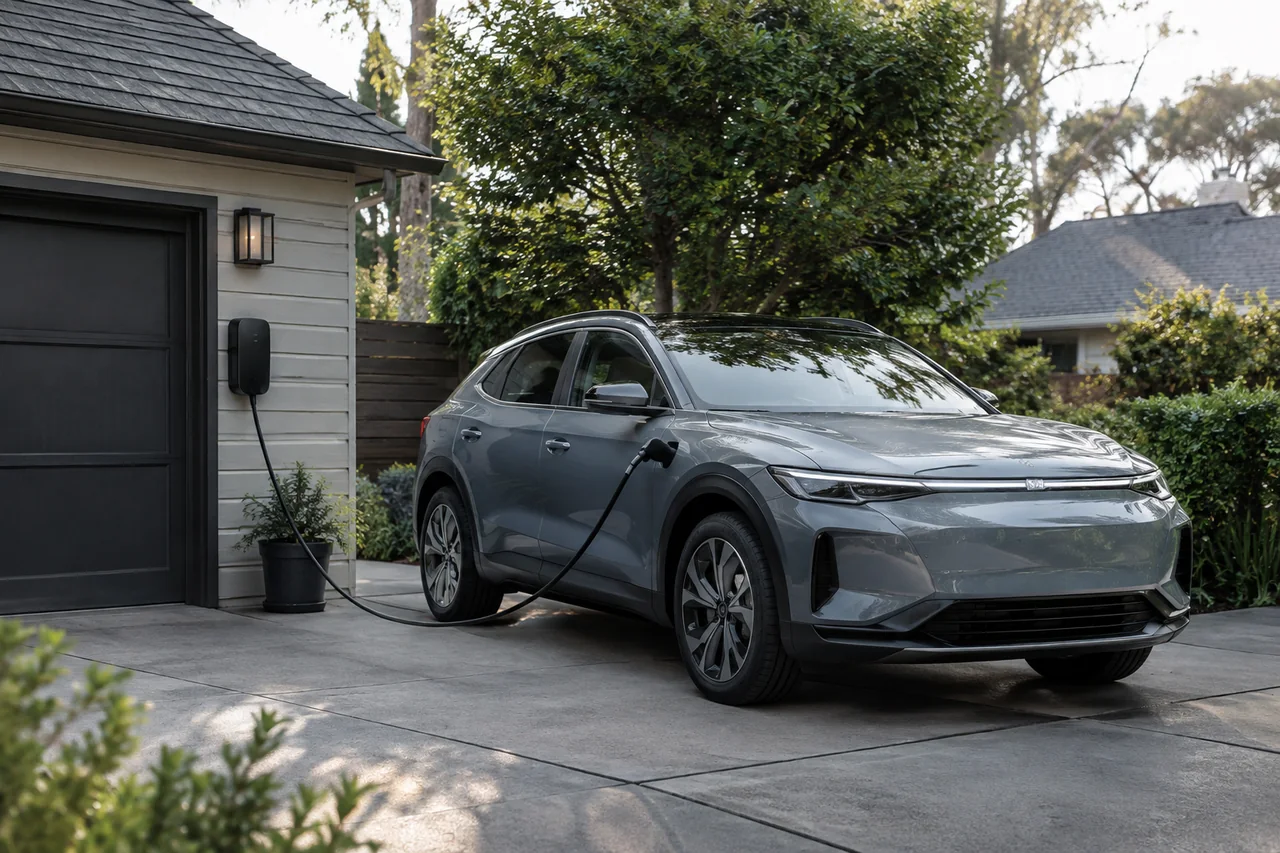
EV battery maintenance is less about mechanical upkeep and more about controllable habits that protect the traction battery and limit unnecessary energy loss. The way you charge, park, and drive directly affects long-term battery capacity and everyday efficiency. A parked EV can also lose charge through thermal management, connected services, and battery-estimate corrections. Understanding these mechanisms helps you extend EV battery life, maximize usable range, and avoid overreacting to normal fluctuations in displayed state of charge.
What EV Battery Maintenance Can Accomplish
Everyday charging, temperature exposure, and storage habits shape how much of the original battery capacity remains over time. Lithium-ion chemistry degrades faster when held at very high or very low state of charge for long periods, especially in heat. The battery management system enforces safe operating limits, but owner choices still matter. Regular short top-ups in moderate conditions tend to be gentler than repeatedly deep-cycling the pack or leaving it fully charged during a heat wave.
Drivers should also distinguish permanent capacity loss from temporary changes in displayed range. Cold weather reduces available energy because chemical reactions slow, while cabin heating draws extra power, so a winter drop of 20–30 percent may disappear in mild conditions. The owner’s manual and in-vehicle charging guidance are the most reliable starting points, since battery chemistry and management settings vary by model. Routine care is about settings and habits; internal high-voltage diagnosis requires a qualified technician.
Set Charging Habits Around Your Vehicle and Daily Needs
A practical daily charging limit should come from the manufacturer, not a universal percentage. Many EVs let you set a charge target, and choosing a level that covers your normal driving while leaving buffer room reduces time spent at extreme states of charge. Some battery types tolerate full charges better than others, and certain vehicles recommend a periodic full charge to recalibrate the battery management system. Follow that chemistry-specific routine only when the manual calls for it.
Minimizing unnecessary time at very high or very low charge helps preserve capacity, but trips that need extra range justify charging to 100 percent occasionally. Scheduled charging lets you finish just before departure, so the battery does not sit full overnight. DC fast charging is generally safe when used as intended, but hot batteries and high charge rates increase stress; charging at moderate temperatures and avoiding frequent top-offs from very low to very high states of charge reduces wear.
Manage Temperature and Prepare for Extended Parking
Prolonged heat is a bigger threat to battery life than brief hot days. Parking in shade, using a garage, or choosing a covered spot lowers the pack’s average temperature and slows degradation. Solar gain on a dark roof can raise cabin and battery temperatures even on mild days. There is no need to chase every degree, but avoiding all-day sun exposure in summer is a simple, effective habit for preserving capacity.
Cold weather does not cause permanent damage by itself, but it reduces available energy and slows charging. A temporary range drop or a slower fast-charge session is normal, not a sign of degradation. For extended parking, follow the manual’s guidance on storage charge level, whether to leave the vehicle plugged in, and how often to check it. Preconditioning and thermal management may run while parked to protect the battery, consuming some energy in the process.
Why an EV Can Lose Charge While Parked
A parked EV can use energy for several reasons. Battery temperature control may run in extreme heat or cold to keep the pack within safe limits. Security recording, connected services such as remote telematics, scheduled cabin preconditioning, and support for the 12-volt accessory battery all draw from the traction battery. Depending on the vehicle’s design, these systems can run for minutes or hours after shutdown, and the owner may not see an obvious warning.
Frequent app checks or third-party services can keep some vehicles awake longer than necessary, because each wake-up triggers high-voltage contactors and network modules. Temperature changes also shift voltage and state-of-charge estimates, so the displayed percentage may drop a few points overnight without an equivalent loss of stored energy. There is no universal normal drain rate; parking duration, weather, software settings, and vehicle design all influence what an owner observes.
Support Energy Efficiency During Everyday Driving
Efficiency means energy used per distance traveled, and it is separate from long-term battery capacity. A battery with 95 percent original capacity can still deliver poor efficiency if the driver accelerates hard, speeds, or uses cabin heating wastefully. Conversely, an older pack with reduced capacity may still return good efficiency in gentle conditions. Tracking miles per kilowatt-hour over similar routes gives a clearer picture of driving habits than the guessed range on the dashboard.
Smooth acceleration and steady legal speeds reduce the power demand and heat losses in the motor and inverter. Regenerative braking recovers kinetic energy that would otherwise be wasted as heat, but it is most effective when used proactively—coasting early and braking gently—rather than relying on aggressive one-pedal stops. Proper tire pressure, removing unnecessary cargo or roof accessories, and setting cabin climate to a moderate temperature all reduce energy use without sacrificing safety.
Reduce Avoidable Parked Drain and Recognize When to Seek Help
To identify avoidable parked drain, keep a simple log: note the displayed charge, parking duration, weather, plug-in status, and any active features over several parking periods. A pattern of larger losses on hot days or when sentry mode is on points to a specific cause. Review optional security, climate, app, and accessory settings, but never disable required battery-protection functions such as thermal management or low-voltage battery support.
Change one optional setting at a time—for example, turn off cabin overheat protection for a few nights—and compare the results. Owner observations can reveal a software or accessory issue, but they cannot diagnose an internal battery fault. Persistent unexplained charge loss, repeated 12-volt battery problems, charging failures, or battery warnings should go to qualified service. High-voltage access and electrical probing are not owner tasks and can be dangerous.