EV Battery Fires: Thermal Runaway, Safety Systems, and Recalls
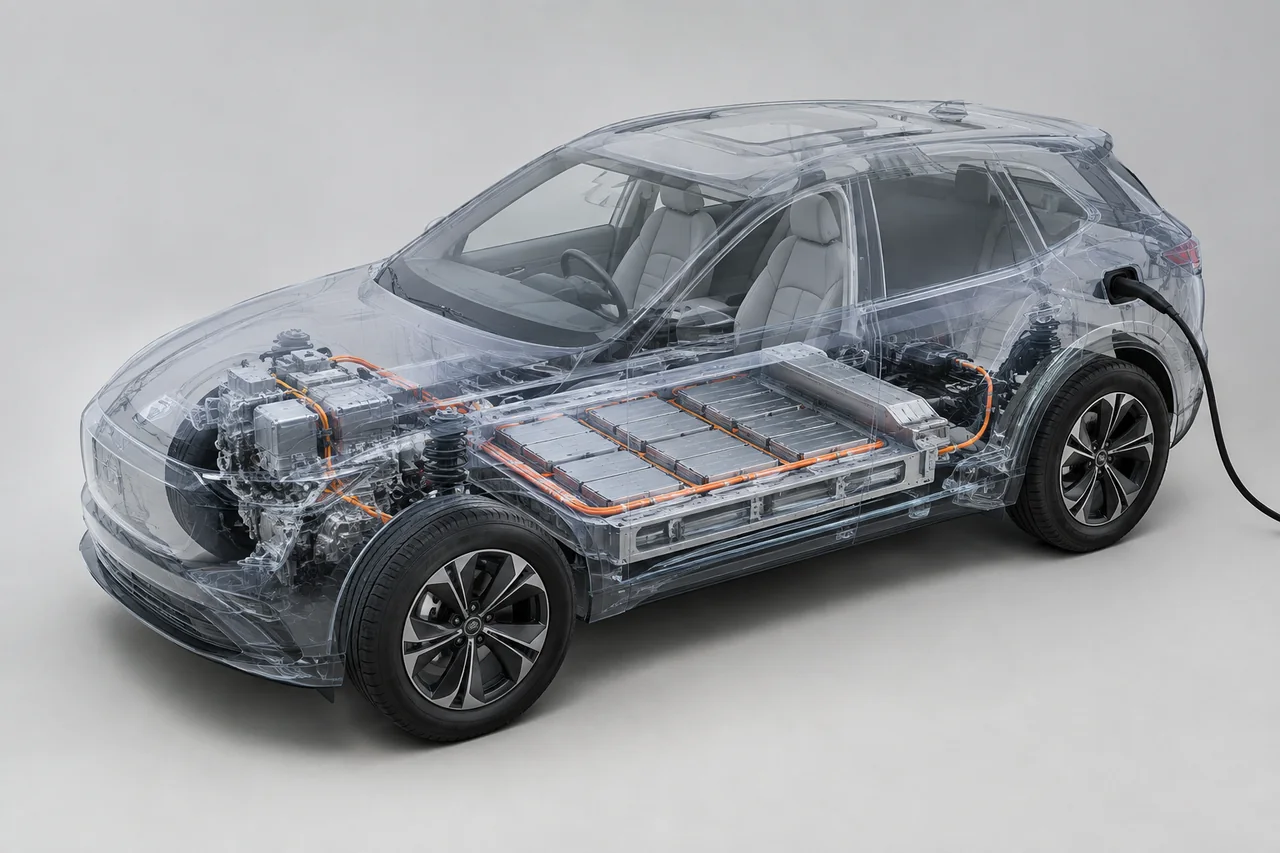
An EV battery fire is a serious but unusual event, often misunderstood because high-voltage packs store enormous energy. Owners may worry about explosions, extreme temperatures, or whether a standard extinguisher can help. This article explains how these incidents begin, what thermal runaway means, why fires are hard to extinguish, which safety systems protect occupants, and how recalls address risks. Understanding the actual mechanisms—not speculation—helps drivers respond correctly and separate real hazards from rare failure modes.
How EV Battery Fires Can Start
Battery fires typically start when a cell's internal structure fails, allowing stored chemical energy to release uncontrollably. Manufacturing defects, physical damage from a crash, or internal short circuits can create a hot spot that initiates unwanted reactions. Excessive heat from overcharging or a failed cooling system may also push a cell beyond its safe operating window. However, not every impact or charging anomaly causes a fire; battery packs are engineered with layers of protection that usually prevent a single fault from becoming a thermal event.
A vehicle fire involving an EV does not automatically mean the traction battery caused it. Ordinary 12-volt electrical faults, brake components, or flammable cargo can ignite first, and the high-voltage pack may remain intact. Photographs or video of a burning electric car often cannot reveal whether the battery was the origin, because flames and smoke obscure the evidence. Owner accounts are also limited: a driver may hear a pop or see smoke but cannot know whether the battery vented or a tire burst nearby.
Thermal Runaway, Gas Release, and Explosion Hazards
Thermal runaway is a self-accelerating loop inside a lithium-ion cell. When internal temperatures rise enough, the electrolyte decomposes and the electrodes begin to break down, releasing additional heat. If that heat cannot be removed faster than it is generated, the reaction speeds up, producing more heat and flammable gases. This runaway process can create temperatures high enough to melt separators and ignite vented vapors. The result is often a violent flame jet from the cell, though the pack enclosure may contain or delay it.
Once one cell enters thermal runaway, it can heat neighboring cells through conduction and hot gas flow, causing a cascading failure. The likelihood of propagation depends on pack design, cooling capability, and the energy state of adjacent cells; some designs include barriers or thermal insulation to slow the spread. Failing cells release hot, flammable, and toxic gases that can accumulate inside the pack. If those gases ignite, pressure can build rapidly and rupture the enclosure, creating an explosion hazard. Yet a popping sound or visible fire does not confirm a full pack explosion—many incidents remain localized to a few cells.
Battery Fire Heat and the Limits of Portable Extinguishers
There is no single EV battery fire temperature. The interior of a cell during thermal runaway can exceed 1,000°C, while pack surfaces stay much cooler because the casing and thermal barriers absorb heat. Vent gases, when ignited, produce flames that may reach several hundred degrees, but temperatures change as cells fail sequentially and oxygen availability varies. Measuring these temperatures during a dynamic fire is difficult, so any cited figure is only a snapshot of one location and moment.
A portable extinguisher cannot reliably stop thermal runaway inside a traction battery. The reaction is chemical and self-sustaining, often shielded by the pack enclosure, so water or dry chemical cannot reach the failing cells. Even if visible flames are suppressed, internal heating may continue, causing delayed ignition minutes or hours later. This reignition risk means firefighters treat EV battery fires with prolonged cooling and monitoring. Owners should never attempt to open a damaged pack or fight a battery fire themselves; evacuation and a safe distance are the priorities.
Safety Systems and Warning Signs Owners Should Recognize
EVs include multiple safety layers to prevent and contain battery failures. A battery management system continuously monitors cell voltages, temperatures, and current, isolating the pack if parameters exceed limits. Liquid cooling or air cooling removes heat during normal operation, while a sealed, reinforced enclosure protects cells from impacts and prevents moisture ingress. High-voltage contactors isolate the pack from the vehicle's electrical system when a crash is detected or a fault occurs. These systems vary by manufacturer and model, so their exact behavior differs.
Disconnecting high voltage from the vehicle does not de-energize the cells themselves; they still store chemical energy that can react if damaged. Warning signs like smoke, unusual heat from the floor, hissing or popping, or a battery warning on the instrument cluster should be treated seriously, though none alone proves a fire is imminent. If any of these appear while driving, stop safely, turn off the vehicle if possible, and evacuate everyone. Move well away from the car—upwind and uphill—and call emergency services. Do not inspect or touch a damaged pack; only qualified personnel with appropriate equipment should approach it.
How EV Battery Recalls Work and What Owners Should Do
Owners can check for open recalls by entering the vehicle's 17-character VIN on the manufacturer's website or the National Highway Traffic Safety Administration's recall lookup tool. A recall notice will identify the affected vehicles, describe the safety defect, and explain the risk in plain language. It will also state any interim precautions, such as limiting the state of charge below a certain level or parking away from structures, and will outline the expected remedy. These instructions apply only to vehicles covered by that specific recall, not to all EVs universally.
Depending on the defect, the remedy may involve a software update to improve battery monitoring or limit charging, an inspection to detect faulty cells, or replacement of the battery pack or a module. Manufacturers and dealers must complete the repair at no charge, but the time needed varies by parts availability and labor. Owners should keep documentation showing the recall was completed, as this can be important for resale and warranty. Importantly, a pending recall lookup or scheduled appointment does not replace emergency action: if smoke or fire symptoms appear, evacuate and call 911 immediately.