EV Battery Fires: How Rare They Are, Why They Happen and Safety Basics
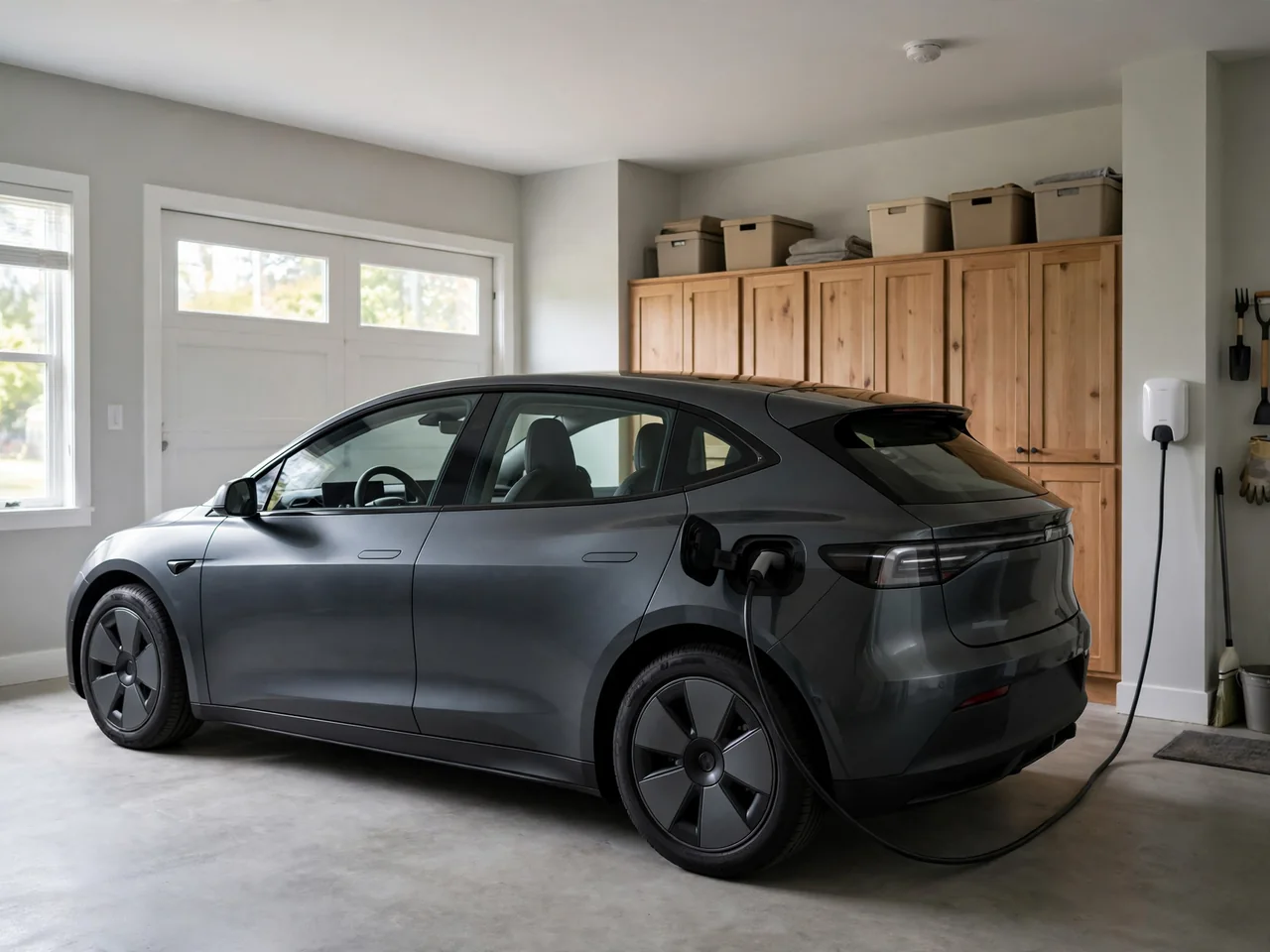
Electric vehicle battery fires draw intense attention, but they are uncommon and usually tied to specific conditions. An EV car battery fire typically starts with thermal runaway in a lithium-ion cell, which can spread through the high-voltage battery pack if safeguards fail. Understanding what triggers these events, how rare they are compared with gasoline fires, and what owners can do safely helps replace fear with practical awareness.
What Thermal Runaway Means Inside an EV Battery Pack
The term “thermal runaway” describes a self-accelerating reaction inside a lithium-ion battery. If a single cell gets too hot, its internal materials break down and release more heat, which pushes neighboring cells to do the same. That chain reaction can cascade through the pack, generating intense heat, flammable gases and pressure. The risk is not that every EV will do this, but that once it starts, the process can be difficult to stop without the right tools and knowledge.
A strong battery management system and effective battery cooling system are the first lines of defense. The management system monitors voltage, temperature and state of charge across the pack. The cooling system removes heat during normal operation and fast charging. The pack itself is engineered with barriers and venting paths to slow the spread. EV battery fires also differ from gasoline fires: they can reignite hours or days later, release toxic gases and demand far more water from responders. Chemistry and pack design vary, so general principles never guarantee how one vehicle will behave.
Common Causes: Crash Damage, Defects, Water Intrusion and Charging Faults
The main recognized triggers for an EV battery fire include crash damage that deforms or punctures the pack, internal cell manufacturing defects, water intrusion—especially from saltwater flooding—and electrical or charging faults. Physical damage is particularly insidious because it may not produce immediate smoke or warnings. A hard hit from road debris under the car can crack a cell module, create a short circuit or disrupt the cooling loop, allowing a problem to develop slowly over days.
Unapproved modifications and non-certified charging equipment can bypass protections built into the vehicle. A charger that does not communicate correctly with the battery management system may push too much current, overheat wiring or stress cells. Flood-damaged EVs can develop hidden corrosion and conductive salt bridges inside the pack, leading to a delayed short. Since manufacturers use different cell chemistries, housing designs and battery suppliers, the probability and presentation of these risks vary, and no blame belongs to a single brand or model.
How Rare EV Fires Are and Why the Data Is Hard to Pin Down
Available evidence generally suggests that EV fires are uncommon, though precise rates are elusive. Different studies count fires per vehicle year, per mile driven or per registered vehicle, and they use varying definitions of what counts as a battery fire. Gasoline car fires are also underreported, so a reliable head-to-head figure is hard to produce. The sensible conclusion is that both types are rare events, and EVs are not dramatically more fire-prone than conventional vehicles.
Media coverage of EV car battery fires is disproportionate because an electric vehicle fire is visually dramatic, often requires a large emergency response and can smolder for a long time. A single incident can generate national headlines, even when thousands of gasoline car fires pass without notice. Readers should weigh the overall risk calmly: daily exposure to traffic crashes and home fires vastly outweighs the chance of an EV battery fire, and responsible maintenance further reduces that chance.
Warning Signs Owners Can Safely Notice
Owners should take action if the instrument cluster shows a battery or high-voltage warning light, or if they notice hissing or popping sounds near the battery pack, unusual sweet or chemical smells, smoke or vapor, or unexpected heat from the floor or charging port. These signs do not automatically mean a fire is imminent, but they indicate that the high-voltage system needs professional attention. A battery warning light may signal a cooling problem or a cell voltage imbalance long before any visible hazard.
Never open, puncture or probe the high-voltage battery pack or any orange high-voltage cables. The pack contains enough energy to cause serious injury even without a fire. If smoke, sparks or loud sounds appear, everyone should move at least 100 feet away from the vehicle, stay upwind and call emergency services. Tell the dispatcher the vehicle is electric so responders arrive with the right equipment and do not mistake the event for a conventional engine or electrical fire.
Everyday Charging and Parking Safety Basics
Use charging equipment that is certified by an independent testing laboratory, installed by a qualified electrician and approved in the automaker’s guidance. Damaged cables, cracked connectors or hot outlets should never be used, because a poor connection can overheat and damage the vehicle’s charge port or the battery management system. The vehicle’s charging instructions always take priority over generic advice, since charge rates and thermal limits differ by model and battery chemistry.
Keep charging areas clear of clutter and flammable materials; this is mainly to slow a fire if one starts, not because charging is inherently risky. Aftermarket charging accessories of unknown quality can defeat safety interlocks. Regularly check official recall channels using the vehicle identification number. Without naming any specific recall, this step can alert owners to battery or charging issues that need a no-cost repair, and it is one of the most effective home charging safety habits.
After a Collision, Flood or Underbody Impact
A battery that has been hit or submerged can fail hours or days after the event. Even if the car starts and drives, internal damage may have weakened a cell separator or saltwater may have left conductive residue. A professional inspection with high-voltage diagnostic tools is the only way to detect hidden damage. Owners should tell the insurer, tow operator and repair shop that the vehicle is electric, because conventional handling may involve cutting into the floor or hooking up power incorrectly.
Repairs to the battery pack and high-voltage system should only be done by trained, equipped professionals. Until an inspection can be arranged, park a suspected damaged EV outdoors and away from buildings, if it is safe to do so. Do not charge it. Follow the automaker’s or emergency responders’ instructions, which may include disconnecting the 12-volt battery or quarantining the vehicle for a set period. These steps reduce the chance of a delayed fire catching a garage or house.
What to Do If an EV Is Smoking or on Fire
If an EV is smoking or on fire, personal safety comes first. Get everyone out of the vehicle, move well away and stay upwind of the smoke. Call emergency services immediately and tell the dispatcher the vehicle is electric, because responders need to know about high-voltage components and the possibility of reignition. Do not delay the call to gather belongings or take photos; the fire can intensify very quickly.
Owners should never try to extinguish a battery fire with a home extinguisher or garden hose. The amount of water needed to cool a large high-voltage battery pack is far beyond what a household supply can deliver, and improper suppression can make the fire worse or cause electrical hazards. Even after the fire appears out, the battery can flare up again hours later. The vehicle must be handled by responders and then by specialists who can safely discharge or monitor the pack.