EP6 Timing Chain: What It Does, Why It Wears, and How to Spot Problems
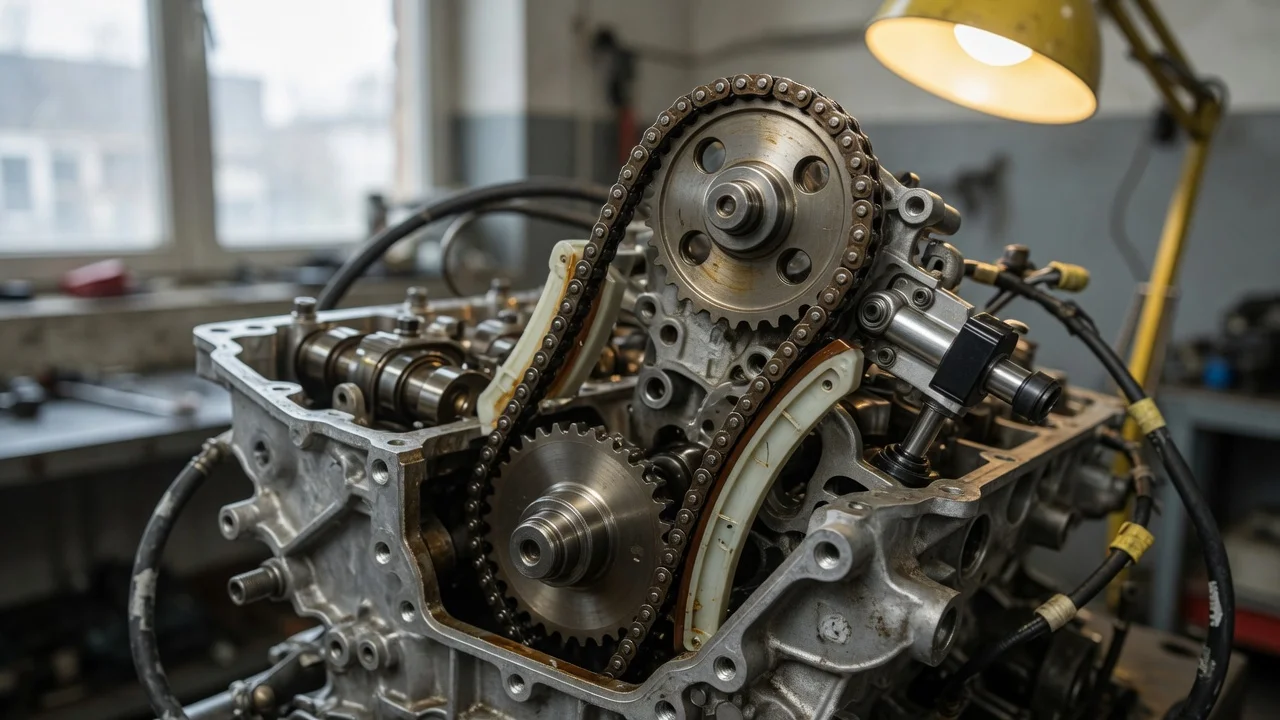
Direct answer
The EP6 timing chain is the metal chain that synchronizes the engine’s crankshaft and camshafts. It keeps valve operation matched to piston movement so the engine can run without internal contact. The term EP6 does not identify one single timing-chain design; it points to a family of engines, so the chain type, replacement interval, and failure behavior depend on the specific engine version and its market configuration.
What the timing chain does
A timing chain connects the crankshaft to the camshafts. As the crankshaft rotates, the chain transfers that motion to the camshafts, which open and close the intake and exhaust valves. Unlike a rubber timing belt, the chain is a metal component and is intended to last for a large portion of the engine’s service life, but it is still subject to wear.
Why chain condition matters
If a timing chain stretches, skips a tooth, or loses proper tension, valve timing can shift. In severe cases the pistons and valves can collide because they are no longer moving in the intended sequence. Before that point, wear may appear as engine noise, rough running, or diagnostic trouble codes related to camshaft and crankshaft correlation. The relevant fact is not just chain age, but whether the installed chain and its guides and tensioner are maintaining correct timing.
Common warning signs
A worn or failing EP6 timing chain may produce a rattling noise from the timing cover area, especially on a cold start before oil pressure builds. Drivers may also notice uneven idle, reduced performance, or an illuminated check engine light. None of these signs is proof of timing-chain wear by itself; the same symptoms can have other causes, so the engine needs a proper diagnosis.
Diagnosis rather than guessing
The practical first step is to check for stored fault codes and compare the requested and actual camshaft positions where the vehicle supports that data. A technician may also listen for chain noise at the timing cover and inspect the tensioner or timing alignment. A visual inspection of the chain, guides, and tensioner is usually necessary to confirm wear, because noise and codes alone do not identify the exact failed component.
Replacement coverage
When a timing chain is replaced, the service normally includes the chain itself, the tensioner, the guides, and often the associated sprockets and seals. Reusing a worn guide or weak tensioner can leave the new chain inadequately controlled. Whether a chain replacement is a routine maintenance item or a repair depends on the engine version and the vehicle’s service history. The supplied information does not provide a universal replacement interval, so a mileage or time claim would need to come from the manufacturer’s guidance for the specific vehicle.
What remains uncertain
The available material does not specify which EP6 variants use a particular chain kit, whether all versions share the same failure pattern, or what the approved replacement interval is. Vehicle applicability statements should be checked against the exact model year, engine code, and market specification before parts are ordered.