Engine Oil Flush Additives: Uses, Sludge Risks, and Maintenance
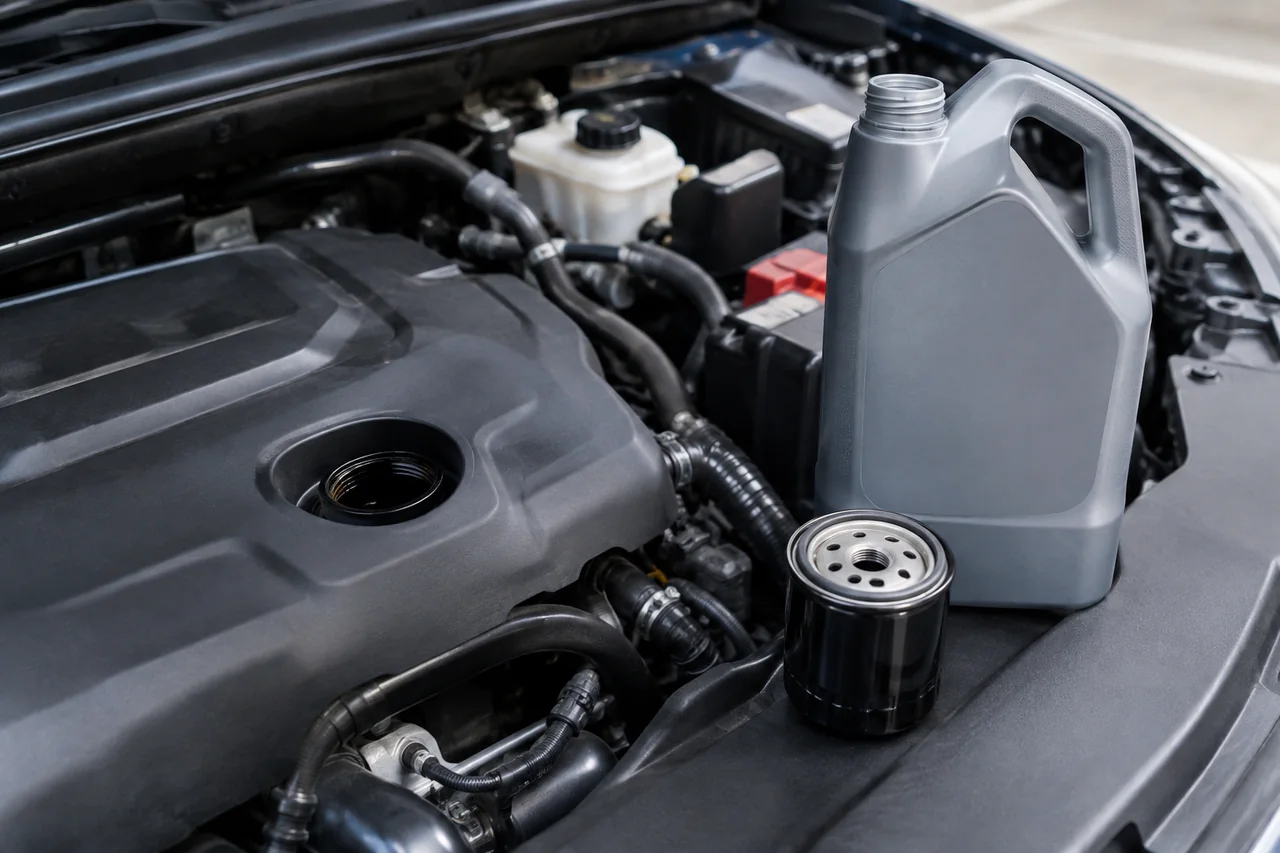
An engine flush oil additive is a short-term aid for engine oil cleaning before a drain, not a cure for wear. People looking for an engine oil cleaner usually want sludge and oil deposits addressed without guessing at hidden damage. The useful question is what these products can suspend, what they cannot restore, and when ordinary service is the safer way to keep clean oil in the engine.
What Engine Oil Flush Additives Are Intended to Do
An internal engine oil flush is a chemical treatment added to circulating lubricant so certain deposits can be loosened or held in suspension before the oil is drained. An engine flush oil additive is typically used for a limited period ahead of a change, while some engine oil cleaners stay in the crankcase as detergents and dispersants. Those purposes differ, and ranking them is not useful. Labels describe dwell time and whether the mixture must be removed. Check the vehicle manufacturer's guidance and the product's stated application before considering any additive.
Engine oil cleaning cannot restore clearances that have already widened from wear, revive a leaking seal, or reverse scored bearings. Oil passages may still be restricted after a treatment if varnish or sludge is packed in places the circulating mixture never reaches. An oil engine cleaner is therefore an aid for deposits at best, not a mechanical repair. If the engine already knocks, smokes, or loses pressure, cleaning oil in the engine does not substitute for diagnosis. Confirm the product is intended for the lubrication system of that vehicle type before use.
How Oil Cleaners Act on Sludge and Deposits
Engine sludge and oil deposits can form when heat, oxidation, fuel dilution, coolant contamination, or overdue service leave insolubles the lubricant cannot keep dispersed. Dark oil does not by itself assign fault or prove neglect, because oxidation and soot also darken used lubricant. Where engine cleaner oil formulas include detergents, those ingredients try to lift some films from metal. Dispersants help keep loosened particles suspended so they can leave with the drain. Solvent-like components, if present, vary by formulation and should not be assumed.
Draining used lubricant and replacing the oil filter remove much suspended debris, but neither step guarantees that deposits throughout galleries, screens, and the pickup are gone. Particles that remain stuck, or that are too large for the filter media, can stay after the oil is drained. Marketing language around engine oil cleaners does not establish that an engine needs treatment, nor prove that cleanliness or oil pressure has been restored. Those claims describe product intent and should be checked against inspection and the maintenance history.
What Oil Appearance Can Reveal About Engine Cleanliness
Drivers often treat dark oil as proof they need an engine oil cleaner, yet color alone cannot establish sludge buildup, remaining oil life, or a need for a flush. Fresh detergent oils can darken quickly as they suspend soot and oxidation products, which is part of keeping clean engine oil in circulation rather than leaving films on parts. Conversely, oil that still looks amber can hide varnish in hotter galleries. Cleaning engine oil based only on dipstick hue skips the chemical and mechanical information that actually matters.
During a manufacturer-approved oil-level check with the engine off, look for coolant sheen, fuel odor, metal glitter, or a sudden level change; those signs warrant investigation rather than an additive. Residue at the filler opening shows only that local surface, not remote oil passages or the pickup screen. Maintenance records, oil consumption history, and a professional look at the valve cover or pan give better context before choosing engine oil cleaning. Oil that looks clean at the filler cap is not a system-wide cleanliness report.
Risks and Warning Signs Before Considering a Flush
Once deposits break free, they can migrate toward screens, the pickup, or narrow oil passages and reduce flow even if the treatment was meant to help. An oil cleaner for engine use can also change viscosity or additive balance depending on formulation and dwell time. That is why engine cleaning oil is not a casual extra bottle for every change. With suspected heavy sludge or an unknown maintenance history, loosening material has an uncertain outcome; damage is not inevitable, but the risk is reason to pause.
An oil-pressure warning lamp, a sudden drop on a gauge, or new pronounced knocking or ticking means stop safely, shut off the engine, and do not pour in cleaner. Arrange assessment rather than attempting oil engine cleaner treatment while the engine is in distress. Professional oil-pressure testing, and sometimes internal inspection, is how a technician judges whether flow is restricted or a pump, bearing, or sensor fault is involved. Home solvent mixes, running the engine on a flush-only fill, and teardown steps are outside safe owner guidance.
Maintenance Options When Sludge Is Suspected
When sludge is suspected, the first maintenance move is oil and filter service using the specification the vehicle requires and the manufacturer's drain and fill guidance. That service supports detergents and dispersants already designed into modern oils and replaces a saturated oil filter that can no longer trap debris well. Before treating deposits, look for coolant in the oil, fuel dilution, a failing ventilation path, or chronically high temperature. Cleaning those root issues matters more than adding another engine oil cleaner on top of a still-contaminated charge.
After assessing deposit severity, a technician may recommend a monitored plan of specified oil changes, a later inspection, or a targeted cleaning product with a defined purpose. There is no universal interval that applies to every engine or oil type. Routine service cannot be promised to clear established sludge already occupying oil passages, and an additive decision needs a specific, supported reason. If the goal is circulating oil that stays clean of wear debris, the correct lubricant on schedule is the baseline; extra chemistry is optional only when inspection supports it.
When Cleaning Oil Means Removing an External Spill
Oil that must be cleaned off engine surfaces is usually a spill or leak on the exterior, not deposits inside the lubrication system. Oil on a valve cover, pan, or accessory drive is a leak or overfill issue, separate from sludge in galleries. An internal flush will not remove that external oil, stop a seeping gasket, or correct the source of a leak. Keep the two jobs distinct so an oil engine cleaning additive is not used as a substitute for finding where lubricant is escaping.
With the engine off and cool, a visual check can show whether oil is pooled, wet on a joint, or reaching exhaust and other hot parts. Active leakage, smoke, or oil near hot components needs professional attention rather than wiping while the engine is running. Exterior oil should be cleaned only after the engine is cool, and only as a way to see the leak path more clearly. The rest of the decision still belongs with internal deposits, oil pressure, filtration, and whether any engine flush oil additive has a justified role after inspection.