Engine Oil Analysis: What Used Oil Testing Reveals
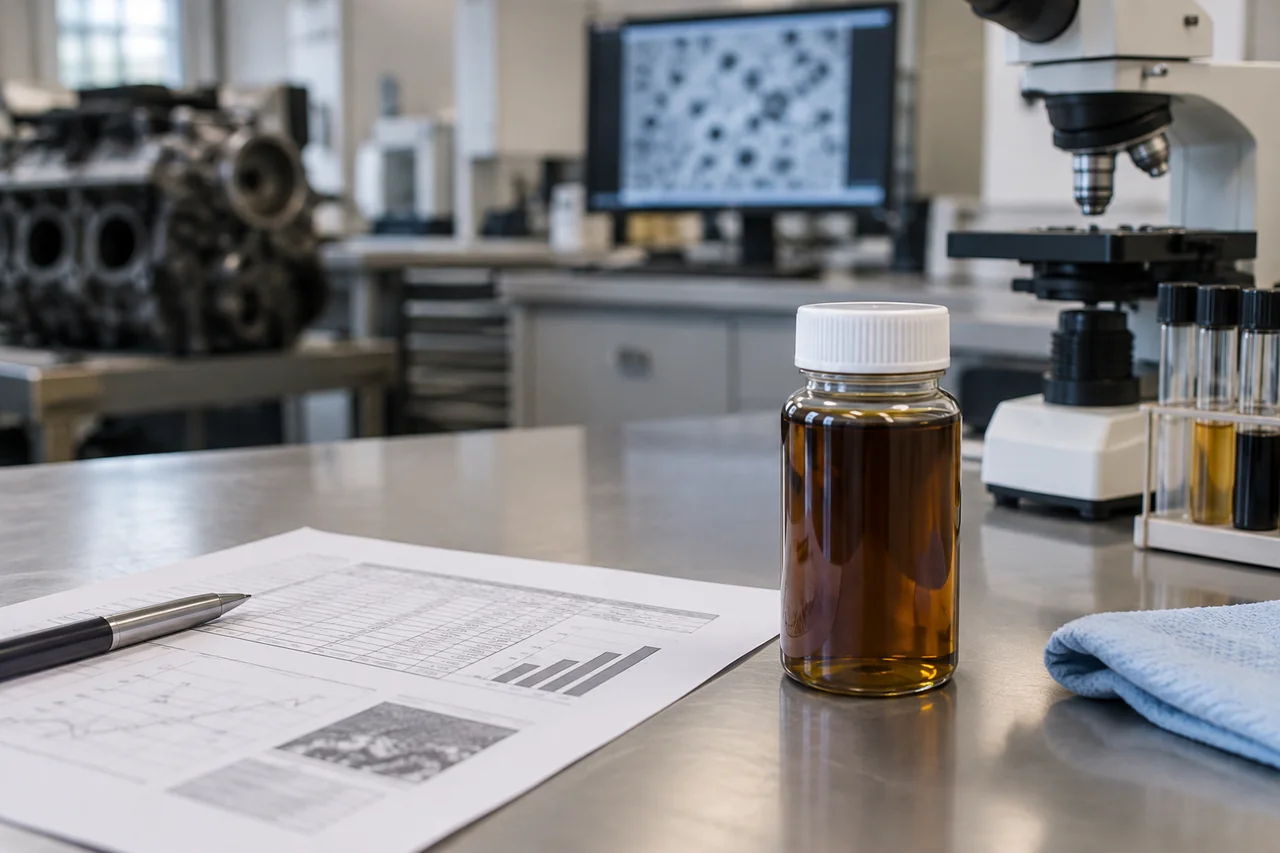
Engine oil analysis examines used engine oil in a laboratory for lubricant condition, contamination, and wear. Used oil sampling can highlight wear metals, fuel contamination, and fuel dilution in engine oil, along with oil viscosity changes that affect protection. A laboratory report supports maintenance decisions but does not certify engine health or identify every developing fault. Interpretation depends on sampling method and how the engine has been operated.
What Engine Oil Analysis Can Reveal
When a laboratory receives a used oil sample, it tests selected indicators of lubricant condition, contamination, and engine wear rather than performing a complete teardown of the engine. Engine oil analysis typically groups those findings so a technician can see whether the oil itself is still doing its job, whether something foreign has entered the sump, and whether metallic debris is appearing in unusual amounts. Those categories overlap in practice, yet they still answer different maintenance questions and should not be collapsed into a single pass-or-fail score.
Wear metals, oil viscosity, and fuel dilution in engine oil answer different questions about the same sample. Metal readings can suggest which materials are shedding into the lubricant, viscosity describes how the oil is likely to flow and film under load, and fuel dilution speaks to unburned fuel remaining in the oil. A laboratory report can support an oil change, a closer inspection, or a wait-and-resample decision, but it cannot certify overall engine health or guarantee that every developing fault has been detected.
Collecting a Sample That Represents the Oil in Service
A sample is only useful if it represents the oil that has been circulating in the engine. Using a clean laboratory container and following the lab's collection instructions reduces the chance that dirt, leftover solvent, or residue from a dirty drain pan will masquerade as contamination. The bottle should be filled as directed, sealed promptly, and labeled so the laboratory can match the oil to the correct unit. Skipping those steps can produce insolubles, metals, or water readings that have nothing to do with the engine.
Record the oil grade and product, distance or hours in service, engine mileage, any oil additions, and relevant driving conditions such as short trips, towing, or extended idle. Recent oil changes or large top-ups dilute wear metals and fuel contamination, so measured concentrations can look healthier than the previous fill actually was. When sampling involves hot oil, moving parts, or working beneath the vehicle, a service provider should collect the sample. That keeps the used oil sampling process safer and more consistent with laboratory guidance.
Reading the Laboratory Report and Its Test Methods
Most laboratory reports list wear metals and additive elements in parts per million, which simply means milligrams of that element per kilogram of oil. Those elemental results are not the same as physical and chemical condition tests. Oil viscosity describes flow behavior, oil oxidation and insolubles speak to chemical aging and suspended debris, and reserve alkalinity, when included, estimates remaining ability to neutralize acids. Spectrometric analysis measures selected elements in particles small enough for the instrument, so large wear flakes can be undercounted or missed.
The purchased test package determines which of those measurements appear, so a missing line is not automatically a clean bill of health. Before treating an abnormal flag as a failed part, read the laboratory's methods, reference ranges, and comments. Flags are often based on statistical limits or typical values for a lubricant family, and they may not match a particular engine's construction or duty cycle. Oil analysis engine reports become more useful when the same methods are used from sample to sample so changes are comparable.
What Wear Metals Say About Engine Condition
Iron, aluminum, copper, and lead are common examples of reported wear metals, yet each can come from more than one place depending on engine construction. Iron may relate to cylinder walls, gears, or shafts; aluminum to pistons or housings; copper to bearings, bushings, or coolers; and lead to certain bearing overlays where that alloy is still used. An individual metal reading cannot reliably identify a failed component without supporting evidence such as noise, pressure loss, metal in the filter, or a consistent rise across later samples.
How long the oil has been in service, how much oil the engine consumes, recent repairs, and contamination all influence concentrations. Fresh oil after a rebuild or a filter change can temporarily elevate metals, while makeup oil can dilute them. Coolant, dirt, or fuel contamination can also change wear rates and confuse a one-time snapshot. Repeated samples with documented operating conditions support trend analysis, which is more informative than a single number because it shows whether a metal is stable, climbing, or responding to a service action.
Understanding Fuel Dilution in Engine Oil
Fuel dilution in engine oil means gasoline or diesel has entered the crankcase and remained in the lubricant instead of being burned or evaporated. That extra fuel can thin oil viscosity and weaken the film that protects bearings and cylinder walls. Short-trip operation, incomplete combustion, leaking injectors, or other fueling faults can contribute, yet a sample alone cannot establish which of those is responsible. Direct laboratory measurement of fuel content should be distinguished from indirect clues such as a drop in viscosity or a lowered flash point.
Always check which method the laboratory used, because an inferred result is not the same as a quantified fuel percentage. A rising oil level or a fuel odor on the dipstick can be useful observations, but neither confirms dilution nor measures how much fuel is present. When results are concerning, especially together with rough running or a climbing oil level, professional assessment is warranted. The technician can then inspect fueling, combustion, and crankcase ventilation rather than treating the laboratory number as proof that a specific part has already failed.
Turning Results Into a Practical Follow-Up Plan
A practical follow-up plan combines the laboratory report with symptoms, service history, and manufacturer guidance instead of reacting to a single flagged line. Mild, isolated changes with no operational complaints may justify a repeat sample after further miles or hours so trend analysis can confirm whether the shift is real. Persistent contamination, rapidly rising wear metals, or fuel dilution that tracks with drivability problems is a reason for a technician to investigate rather than wait for another bottle. The lab's comments often distinguish those two paths.
One favorable report does not justify extending the manufacturer's oil-change interval, because analysis only describes the oil that was sampled and cannot account for every future operating hour. Keep drain intervals within published guidance unless the vehicle maker explicitly allows a monitored extension program. Oil-pressure warnings, knocking, or overheating require prompt attention without waiting for oil analysis results. Those symptoms can indicate lubrication loss or mechanical distress that needs immediate diagnosis, and delaying that work while a sample is in transit does not protect the engine.