Electronic Parking Brake Not Engaging: Symptoms, Causes and Safe Next Steps
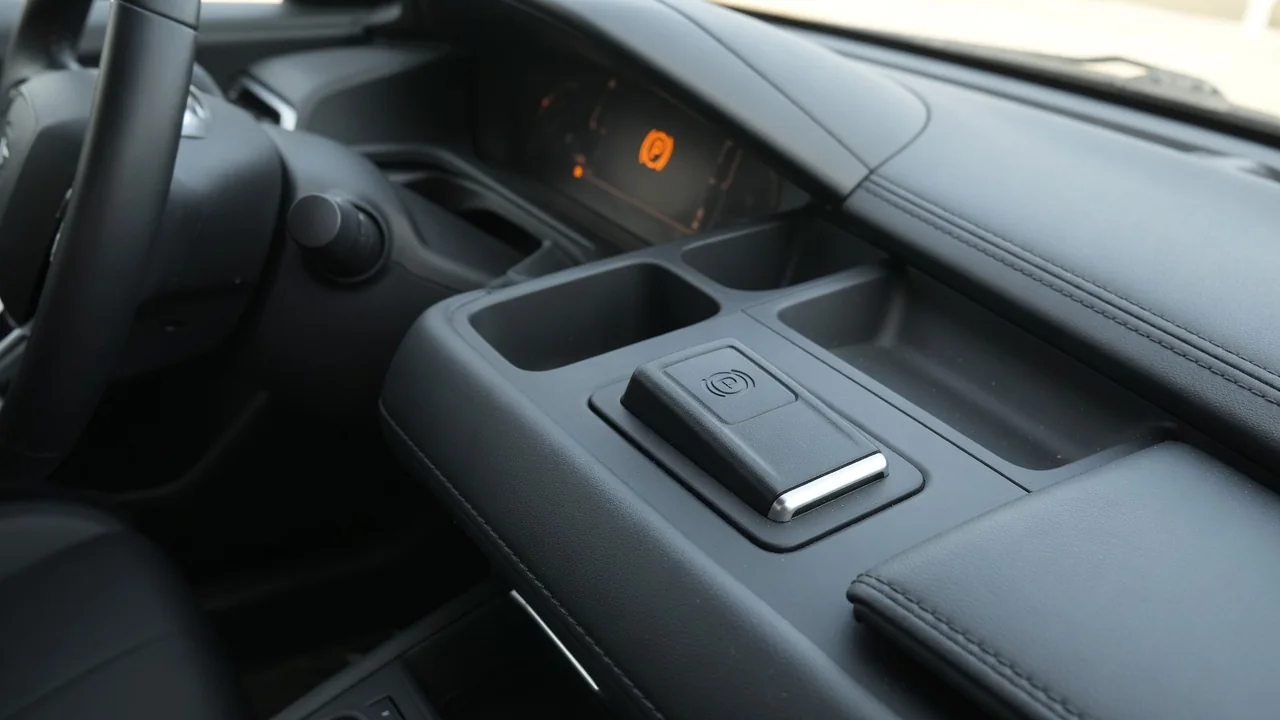
An electronic parking brake replaces the hand lever with a switch, a control module and small motors at the rear calipers, so when it refuses to apply, the cause is rarely obvious from the driver's seat. Whether you're searching because your BMW electronic parking brake is not working or you drive another make, this guide explains the symptoms, likely causes and safe next steps.
What It Looks Like When an Electronic Parking Brake Won't Engage
The most common sign is silence: you pull or press the parking brake switch and hear no whirring from the rear of the car, and the red brake indicator in the instrument cluster never lights. In other cases an EPB warning light flashes or glows amber, or a dash message reports a parking brake malfunction. Wording and symbols vary by make, model and year, so the owner's manual is the right reference for what each light means on your vehicle.
It also helps to separate three different behaviors. A brake that does not engage at all points toward a control, power or communication problem, while one that clamps on only one side suggests something at an individual caliper. A brake that applies yet lets the car creep on a slope is not holding with enough force. All three matter, because a car that drives normally can still roll away once parked, putting people and property at risk.
Securing the Vehicle Safely Before Doing Anything Else
Before investigating anything, make sure the car cannot move. Park on level ground, select Park in an automatic or leave a manual in gear, and place wheel chocks against the tires if you have them. Avoid leaving the vehicle unattended on a slope while the parking brake is out of action, since the transmission's parking mechanism alone was never intended to be the only thing holding the car's weight on an incline.
Many vehicles also offer auto hold or apply the parking brake automatically when the engine is switched off. These convenience functions use the same hardware and control logic, so they may be disabled or unreliable too; do not count on them until the fault is repaired. If other brake warnings appear alongside the parking brake fault, or the brake pedal feels softer, harder or longer than usual, have the vehicle towed rather than driving it to a shop.
BMW Electronic Parking Brake Not Working: How to Approach It
BMW owners often look for an answer specific to their model, and that instinct is sound, because the design is not uniform across the range. Actuator layout, switch behavior and the conditions required before the brake will apply or release differ between BMW models and model years. The owner's manual and the check control message shown in the cluster or central display give the official meaning of a parking brake warning for your exact car, so begin there.
The next step is scan tool diagnosis using equipment that can communicate with the brake and chassis modules, since a basic reader limited to generic engine codes may show nothing at all. Any parking brake fault code retrieved is evidence to interpret, not a verdict on a part. Manufacturer-specific codes should be checked against BMW-capable software or service information for that vehicle, as generic code lists can be misleading. Likewise, treat talk of typical failures or recalls cautiously unless it is confirmed for your vehicle identification number.
Common Reasons an Electronic Parking Brake Fails to Apply
Low battery voltage is a well-known trigger for electronic brake faults. The actuator motors draw significant current, and a control module that sees weak or unstable supply voltage may refuse to operate them and log a fault instead. Beyond the power supply, the parking brake switch itself can fail, wiring and connectors running to the rear of the car can corrode or break, and the rear caliper actuator motor on either side can wear or seize.
The system also depends on information from elsewhere. A wheel speed sensor fault or a wider brake system warning can lead the brake control module to disable the parking brake as a precaution. A software issue within the module can have the same effect, as can a system left in brake service mode after pad or rotor work. Because these causes produce overlapping symptoms, what you see and hear from the driver's seat cannot confirm which one applies.
Safe Checks an Owner Can Make Without Taking Anything Apart
A few observations are safe to make without tools. Think about whether the battery has recently been replaced, disconnected or run flat, and whether other electrical warnings appeared at the same time, since that pattern is useful to a technician. Then confirm the operating conditions listed in the manual; some vehicles need the ignition on, or the brake pedal pressed, before the switch will respond, and an apparent failure occasionally turns out to be an unmet condition.
With the car secured on level ground, ask a helper to operate the switch while you stand near the rear wheels and listen for motor sound from each side, keeping your hands clear of the wheels and brakes. Write down exactly which lights and messages appear and when they appear. Stop there: do not force the switch, unplug brake components or attempt to wind back the calipers yourself, because those actions can cause damage and injury.
Why Repairs Usually Need Professional Diagnosis
Rear brake work on a car with an electronic parking brake is different from a conventional job. The system often has to be placed into service mode with a scan tool so the actuators retract properly, then recalibrated once the work is finished. Skipping that procedure can damage the actuators or leave the brake unable to hold the vehicle, which is why this repair tends to be beyond driveway methods that worked on older cable-operated designs.
Professional testing typically starts with reading stored codes from the relevant modules, followed by checks of battery and supply voltage, wiring continuity and connector condition. A technician can then command each actuator through the diagnostic tool to see whether it responds, separating a motor fault from a switch, wiring or module issue. Ask for a written diagnosis that identifies the confirmed failed component and how it was verified before agreeing to replace parts, so you are not paying for guesses.
Using the Car Until It's Fixed and Preventing Repeat Problems
If you must keep using the car before the repair, and no other brake warnings are present, adopt cautious parking habits. Choose level ground whenever possible, leave the transmission in Park or in gear, and carry wheel chocks. On hills, turn the front wheels toward the curb so the tire would meet it if the car moved. Expect that some functions may stay unavailable and warnings may remain displayed until the fault is repaired and cleared.
Preventing a repeat is mostly about electrical health and communication. Keep the battery in good condition, have it tested if the car sits for long periods or cranks slowly, and get any electrical warning checked promptly instead of waiting for it to disappear. Whenever rear brake work is scheduled, tell the shop the car has an electronic parking brake and confirm they have the equipment to use the correct service procedure for your specific vehicle.