Electrical Problems That Stop a Car Starting: Fuses, Relays, Wiring and ECU
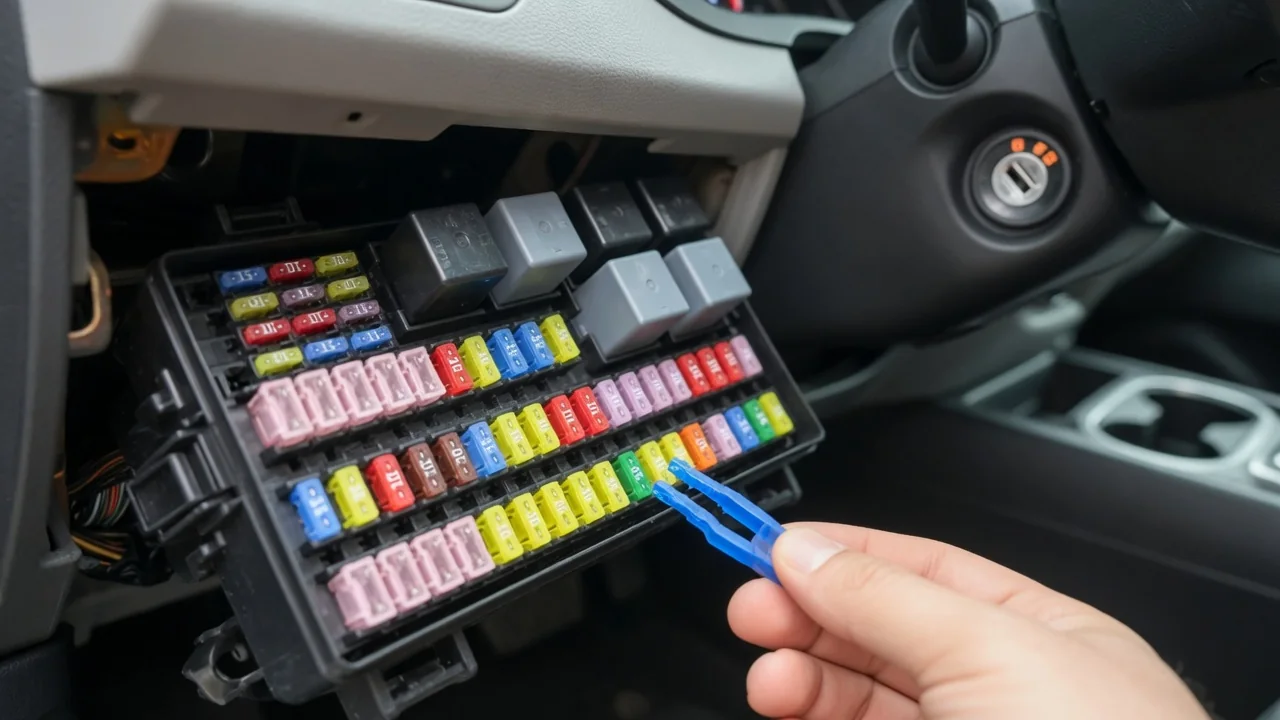
When a car won't start, many drivers jump to the battery, but electrical problems can hide in fuses, relays, wiring, or even the engine control unit. A blown fuse can interrupt the fuel pump or ignition, while a failed starter relay blocks the cranking signal. Wiring damage or corroded grounds create confusing, intermittent failures. This article explains how to read no-start symptoms and safely narrow down the electrical cause before reaching for expensive parts.
Reading the Symptoms: Is Your No-Start Really Electrical?
A no-crank condition means the starter does not turn the engine at all; you hear silence, a single heavy click, or rapid clicking. In contrast, a crank-no-start condition means the starter spins the engine normally, but the engine never fires. This split matters because no-crank faults usually involve the starter control path—relay, ignition switch, safety interlocks, or main cables—while crank-no-start points toward ignition, fuel, or engine-management issues.
Observe exactly what the dashboard does when you turn the key or press the start button. Bright dash lights that dim heavily during cranking suggest a weak battery or bad connection; lights that go completely dark hint at a poor battery terminal or main ground. A rapidly flashing security light or a 'key not detected' message points to an immobilizer problem. Single clicks often indicate a faulty starter motor or relay. However, these are clues, not proof, because many electrical circuits share symptoms.
Blown Fuses and Fusible Links in Starting and Ignition Circuits
Fuses and fusible links protect wiring from excessive current. In the starting system, a blown ignition fuse, fuel-pump fuse, or engine-control fuse can stop the engine from starting even if the battery is strong. Fusible links are thicker wires near the battery or fuse box that sacrifice themselves in a dead short. One failed link may cut power to entire circuits, causing both a no-crank and a loss of dashboard functions.
Check the owner's manual or the fuse-box lid diagram to find the exact fuse locations, since every vehicle is different. With the ignition off, pull the suspect fuse and hold it up to light. A broken internal metal strip or dark, cloudy plastic means the fuse is blown. However, a fuse can fail invisibly or become loose, so also check for heat damage, melting, or green corrosion around the terminals. Never replace a fuse with a higher rating, because that hides a dangerous short and can cause a wiring fire.
Starter Relay, Ignition Switch and Safety Interlock Faults
The starter relay is an electromagnetic switch that lets a low-current signal from the ignition switch engage the high-current starter circuit. When the relay fails, turning the key may produce only a click from the relay itself, or nothing at all even though the dash lights are bright. Some vehicles use the same relay to power the fuel pump, so a bad relay can also cause a crank-no-start by starving the engine of fuel.
The ignition switch or push-button start module feeds power to multiple systems. If the switch is worn, you might see no dash lights in the 'run' position, or the engine may crank only when the key is wiggled. The park/neutral switch on an automatic, or the clutch interlock switch on a manual, is designed to prevent cranking unless the transmission is in park/neutral or the clutch pedal is fully pressed. A faulty switch may allow starting in neutral but not park, but do not attempt to bypass these safety switches.
Ground Connections, Battery Cables and Damaged Wiring
Engine and body grounds are just as important as the positive cable. A loose, corroded, or broken ground strap can cause the starter to click repeatedly or not respond at all, because the high current cannot return to the battery. Dim headlights that get brighter when the engine finally starts often reveal a poor ground. Look for obvious signs: powdery corrosion on battery terminals, frayed insulation, loose clamps, or rodent-chewed wires near the engine bay.
Voltage drop is the invisible enemy. A cable can look fine on the outside but have internal corrosion or broken strands, causing it to pass enough voltage for the dash lights but fail under the heavy load of cranking. Wiring faults frequently appear after recent repairs, accessory installations, or water exposure, because harness connectors get disturbed or damaged. Testing these circuits requires a digital multimeter and wiring diagrams, and high-current cables should be left to professionals.
ECU, Immobilizer and Control Module Problems That Prevent Starting
The engine control unit (ECU) manages fuel injection, spark timing, and idle air control during starting. If the ECU loses its power supply or ground, or if an internal driver fails, the engine may crank but never fire because no fuel or spark is commanded. A no-crank can also happen on some vehicles if the ECU does not authorize the starter via the immobilizer system. Blown ECU fuses, corroded relay contacts, or a failed main relay can mimic a dead computer.
Immobilizer faults are often mistaken for ECU failure. A flashing security light, a 'key not detected' message, or an engine that starts briefly and then stalls are typical signs. The behavior varies by manufacturer: some systems cut fuel, others disable the starter, and some do both. Before condemning the ECU, check its power supply, grounds, fuses, and sensor inputs. A hand-held OBD-II scanner may reveal stored trouble codes, but their exact meaning depends on the vehicle, so specific service information is needed. Replacing or programming an ECU usually requires dealer-level tools because it must be matched to the vehicle's security system.
When to Stop DIY Checks and Get Professional Electrical Testing
Safe DIY checks include observing the exact symptoms, inspecting fuses with the ignition off, looking for visibly damaged or corroded connections, and reading basic trouble codes with an OBD-II scanner. If a fuse is blown, replace it once with the correct rating and see if the car starts. If it blows again, stop and get professional help, because there is a short circuit that could cause a fire.
Stop immediately if you notice burning smells, smoke, hot or melting wiring, a fuse that keeps blowing, or signs of water inside electrical components. On hybrids and electric vehicles, the high-voltage system is lethal and must never be touched. Similarly, airbag wiring and main battery cables carry risks. Note down when the fault happens—hot or cold start, after rain, after hitting a bump—and any recent work like a stereo install or jump-start. This information helps a technician find the cause faster with circuit testing and module communication checks.