Electric Van Range: E-Transit, eSprinter, ProMaster EV, BrightDrop and ID. Buzz
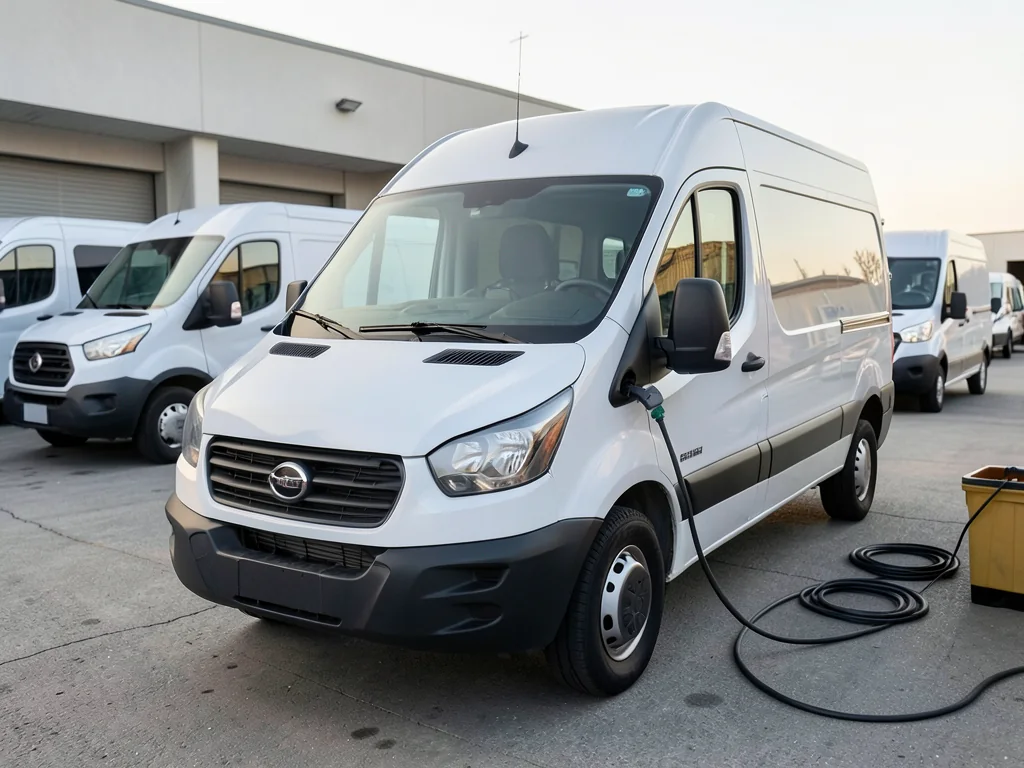
Choosing an electric cargo or passenger van means matching published range estimates to real work. A Ram ProMaster EV, Ford E-Transit, Mercedes-Benz eSprinter, Volkswagen ID. Buzz, or Chevrolet BrightDrop may show impressive EPA numbers, but payload, stops, speed, and climate control change actual miles. This comparison examines configuration-specific ratings and how duty cycles affect energy demand, helping fleets and owners plan routes with a practical charge reserve.
Ram ProMaster EV Range for Delivery Routes
The Ram ProMaster EV arrives for the 2024 model year with a 110-kWh battery and a cargo van body in several lengths and roof heights. Ram's published target range is up to 162 miles, but that figure assumes an empty vehicle in favorable conditions. Manufacturer estimates often use city-oriented test cycles that favor electric vans, so delivery operators must treat them as an upper limit rather than a daily guarantee.
A delivery shift imposes far greater energy demand than the test suggests. Cargo weight increases rolling resistance, while frequent stops require repeated acceleration that drains the battery. Cold weather cabin heating can consume additional kilowatt-hours, and drivers who keep doors open at each stop lose conditioned air. Fleet managers should record kilowatt-hours per mile on representative routes and plan to return with at least a 10–15% arrival charge reserve.
Ford E-Transit Range and Configuration Details
The Ford E-Transit is the electric version of America's best-selling commercial van, offered for the 2023 and 2024 model years. Its 68-kWh usable battery delivers an EPA-estimated 126 miles in the low-roof cargo van configuration, but taller roofs and longer wheelbases reduce that figure. Because Ford sells the E-Transit in cutaway, chassis cab, and multiple body styles, no single range number applies to every build.
High-roof models push more air at highway speed, raising consumption per mile. Installed equipment such as refrigeration units or ladder racks consumes auxiliary power and adds weight, while heavy cargo lowers the distance on a charge. Depot charging at 48 or 80 amps typically replenishes the pack overnight, so a route that stays under 100 miles leaves margin for detours and battery degradation without interrupting the next morning's dispatch.
Mercedes-Benz eSprinter Range on a Working Route
The Mercedes-Benz eSprinter for the 2024 model year uses a 113-kWh usable battery in the long-wheelbase, high-roof cargo van. Mercedes-Benz quotes a WLTP range of up to 273 miles for the European version, but the US EPA figure is lower—approximately 249 miles in combined testing. Fleets must identify which rating cycle a manufacturer cites because WLTP numbers are typically more optimistic than US EPA results.
Route energy consumption rises with sustained highway speed since aerodynamic drag increases with the square of velocity. Climbing grades requires additional power, and heavy cargo amplifies that demand. Climate control in cold or hot weather draws several kilowatts, reducing remaining range. A representative trial should record distance, payload, ambient temperature, starting charge percentage, and ending charge percentage to calculate a duty-cycle-specific miles-per-kWh value.
Volkswagen ID. Buzz Range for Passenger Travel
The Volkswagen ID. Buzz arrives in the US as a 2025 model-year passenger van with a 91-kWh gross battery and rear-wheel drive in the base configuration; an all-wheel-drive version may be offered later. The EPA has not published final range figures at the time of writing, but Volkswagen targets approximately 260 miles for the rear-drive model. Buyers should verify the exact configuration before relying on any range claim.
A full passenger load and luggage add hundreds of pounds, increasing energy use per mile. Highway cruising above 70 mph draws the battery down faster than city driving, and running the air conditioner or heater can reduce range by a noticeable margin. For a road trip, plan charging stops to arrive with at least 15% state of charge and account for charger availability, since slower DC fast chargers can add 30–45 minutes per stop.
Chevrolet BrightDrop Range for Commercial Use
The Chevrolet BrightDrop is GM's electric commercial van line, sold in the US as the Zevo 400 and Zevo 600 for the 2024 model year. The Zevo 600 uses a 165-kWh battery pack with an EPA-estimated range of 272 miles in the front-wheel-drive cargo configuration, while the smaller Zevo 400 has a shorter range from its smaller pack. These figures assume an empty van on a standardized test cycle.
Commercial duty cycles involve heavy loads, frequent stops, and power-hungry accessories such as liftgates, telematics, and refrigeration. Cold weather reduces battery efficiency and increases heating load, cutting usable range. Operators should log kilowatt-hours consumed per shift and compare that against the battery's usable energy, then schedule charging during driver breaks or overnight to ensure the next day's route ends with a safe reserve.
Planning Daily Mileage Around Payload and Duty Cycle
Fleet managers seeking the longest range EV van must first define their daily mileage requirement, not simply pick the highest EPA number. A route that demands 150 miles but includes 1,000 pounds of payload, highway stretches, and winter temperatures may require far more energy than a light-duty city route of the same distance. The published range figure cannot guarantee completion of a specific route, especially when test conditions are unknown or differ from real operation.
A route energy budget begins with the battery's usable capacity. For example, a van with 100 kWh usable and a measured consumption of 1.5 miles per kWh delivers 150 miles of theoretical range. Subtracting a 15% reserve leaves 85 kWh available, or about 127 miles. Payload, highway speed, hills, temperature, and auxiliary loads all raise consumption above the rated figure, so measured data from an actual route is essential. Planned charging during the day can extend total daily mileage beyond one charge, provided the schedule includes enough dwell time for the charger's power output.