Electric Car Range and Mileage Explained: Miles per Charge and per kWh
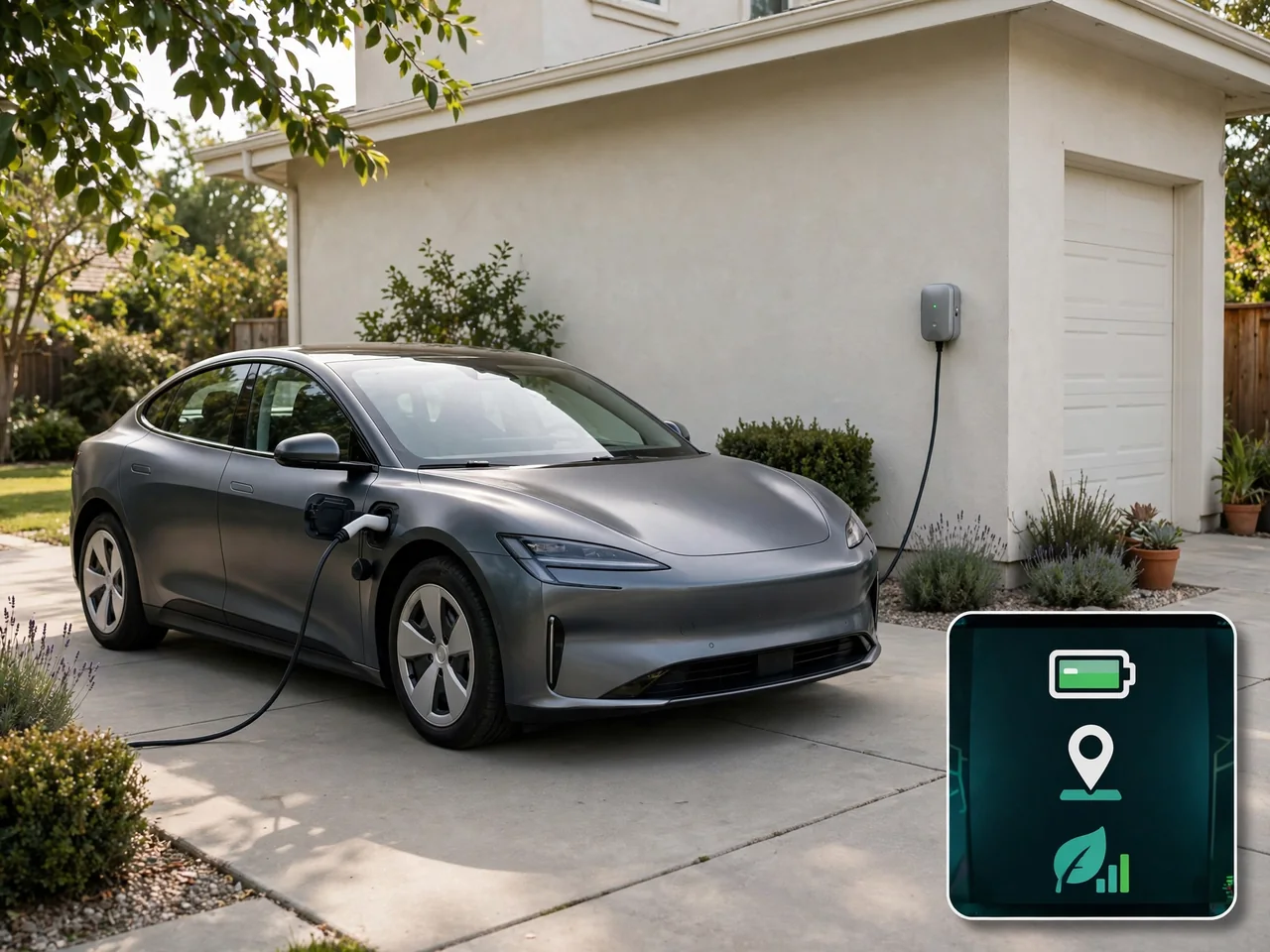
EV car range is the distance a battery-electric vehicle can travel on a charge, while electric car mileage often means miles per charge or energy efficiency in miles per kilowatt-hour. Understanding both helps when comparing EPA range ratings with real-world driving, judging whether a particular EV car driving range fits daily use, and deciding how much remaining range you actually need between charges.
What electric car range and mileage actually mean
Driving range is the distance an electric vehicle can travel on a charge under specified conditions, such as a laboratory test cycle or a documented mix of speeds and temperatures. In everyday talk, electric car mileage can mean three different things: miles per charge, energy use in miles per kilowatt-hour, or the odometer's accumulated miles. The first two matter for shopping and trip planning. Miles per charge answers how far you can go before you need energy; miles per kilowatt-hour answers how thrifty the car is with the energy it has.
A range estimate is simply usable battery capacity multiplied by expected energy consumption. Usable battery capacity is the energy the pack is allowed to deliver in normal driving, not the nameplate total. Energy consumption changes with speed, climate control, and load, so the same pack can support very different miles per charge. The remaining range estimate on the dashboard therefore moves with charge level, recent driving, and operating conditions. After a stretch of highway energy consumption, the number often falls faster than after neighborhood driving at the same state of charge.
Understanding typical EV range today and its development
For 2024 through 2026 U.S. model years, new battery-electric passenger vehicles are commonly EPA-rated from well under 200 miles per charge on some compact and entry configurations to more than 300 miles on many longer-range trims, with fewer configurations published above 400 miles. That band describes new-vehicle listings, not a sales-weighted average of cars delivered. An average EV range figure is only meaningful when the sample of models or registrations and the calculation method are stated; a simple mean of window stickers treats a rare long-range trim the same as a high-volume compact.
Over the past decade, usable battery capacity has grown while vehicle efficiency has also improved, so available range has expanded even when some cars remain modestly sized. In the early 2010s, mass-market battery-electric cars often offered roughly 70 to 100 miles of rated range; later packs and more efficient drivetrains pushed typical new offerings into the multi-hundred-mile class without requiring every buyer to choose the largest pack. A market-wide snapshot still cannot establish the range of a particular trim, wheel package, or used vehicle, because software, battery health, tires, and options all change energy use from the original rating.
How to calculate electric car mileage per kWh
Miles per kilowatt-hour is distance traveled divided by energy consumed. The result depends on where that energy was measured. If you travel 120 miles using 30 kWh recorded by the vehicle's trip computer, that is 4 miles per kWh at the battery. Approximate range then equals usable battery energy times that efficiency under the same operating assumptions. For example, a 75 kWh usable pack at 4 miles per kWh implies about 300 miles in those conditions. Change speed, temperature, or cabin load, and both the efficiency and the implied miles per charge change with it.
Electricity measured at the wall outlet includes charging losses in the cable, onboard charger, and thermal management, so miles per kWh from the utility meter is usually lower than a dashboard figure that counts only energy leaving the pack. Window labels also report kilowatt-hours per 100 miles and MPGe. MPGe converts electricity into a gasoline-equivalent fuel economy score for comparison with combustion cars; it does not state miles per charge. Drivers comparing electric car mileage per kWh should keep the measurement boundary consistent so highway energy consumption is not mixed with charge-port totals.
What rated range means for everyday driving
An EPA range rating is a standardized U.S. estimate tied to a specific model year and vehicle configuration, including drivetrain, battery, and often wheel size. It is a comparable miles-per-charge number, not a promise for every trip. Speed, temperature, cabin heating or cooling, terrain, wind, payload, and tire condition all change energy use. Cold-weather range often shrinks because the cabin and battery need heat that a combustion engine would have provided as waste. Highway energy consumption typically exceeds city use, so a long freeway run can undershoot the sticker even when the pack is healthy.
A full-charge rating assumes you start near 100 percent, which does not describe every charging stop or a commute begun at a partial charge. A practical way to learn personal consumption is to review the parked energy screen or trip log after familiar routes rather than watching the remaining range estimate while moving. One disappointing trip in wind, rain, or cold does not prove the battery has degraded. Persistent unexplained drops in efficiency or usable energy, after accounting for season and driving mix, are a reason for professional evaluation rather than concluding that the pack has failed.
Finding an EV that meets a high-mileage requirement
Shoppers asking for the best electric car for mileage may want the longest distance per charge, the highest miles per kilowatt-hour, or a car that supports frequent daily driving with easy charging. Those goals do not always pick the same vehicle. A large pack can deliver many miles per charge while using more energy per mile; a smaller efficient car can post strong mileage per kWh yet need more frequent stops. Identify enough full-charge range from dated EPA information for the exact model year, trim, drivetrain, and wheel configuration, because those details change the published number.
A claim that any one car has the longest rated range is only valid for a stated date, U.S. market, and configuration, and those leaders change as new model years arrive. Without that context, superlatives are not useful. For a high-mileage driver, charging access, usable charging stops along actual routes, and typical speeds matter as much as the window-sticker miles per charge. An efficient car that can recharge at home every night may cover more annual miles comfortably than a longer-range model that starts each day with a partial charge and few public options.
How much EV range your routine needs
The range you need starts with daily mileage, the longest routine journey, and the distance between dependable charging opportunities. Home or workplace charging changes the problem: if the car regularly begins the day near a full or high state of charge, most commuting is covered by a modest pack. If you often start from a partial charge, the remaining range estimate at departure is the figure that matters, not the EPA full-charge rating. Map the gap between typical days and the rare longer trip before assuming you must buy the largest available battery.
Build in a practical reserve for weather, detours, and unavailable chargers rather than treating every last rated mile as usable. Occasional road trips are route-planning exercises: choose charging locations, decide an arrival charge that still leaves flexibility, and allow time at stops. Sufficient range is personal. A driver with garage charging and short commutes may be well served by a vehicle that looks modest on a miles-per-charge chart, while someone covering long rural stretches without reliable charging needs more buffer. No single mileage of an electric car is the right target for every household.