EGR Valves: 2005–2006 Chrysler 300/300C and 2006 Dodge Charger
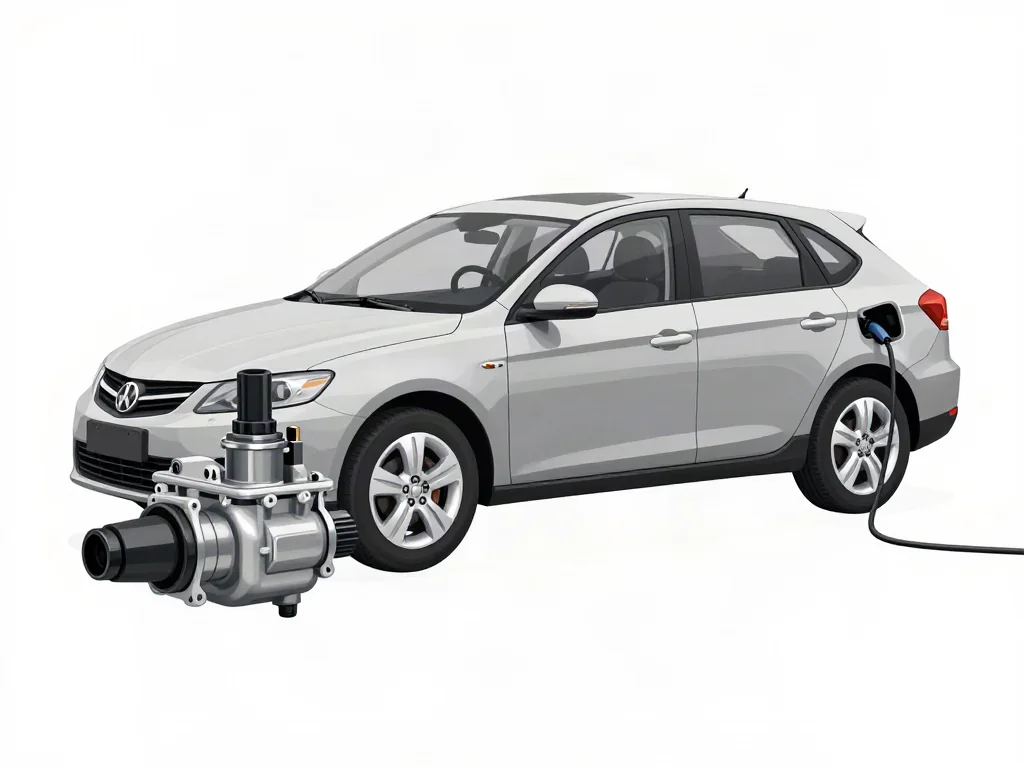
On a 2005-2006 Chrysler 300 or 300C, or a 2006 Dodge Charger, do not hunt for an EGR valve until the engine and emissions equipment are confirmed. These LX-platform cars used more than one powertrain layout, and a trim badge does not prove exhaust gas recirculation hardware is present. Coverage here is identification, location, symptoms, diagnosis, and replacement planning for those years only.
Confirm the Engine and EGR Equipment Before Looking for a Valve
Start with engine identification rather than a parts-counter guess. For a 2005 Chrysler 300 EGR valve or a 2005 Chrysler 300C EGR valve concern, match the model year, engine family, and emissions configuration from the VIN, build records, and the underhood emissions label. Those sources decide whether the vehicle even uses a serviceable external EGR valve. A 300C badge, a 300 sedan appearance, or a shared LX platform does not confirm that hardware. Ordering an EGR valve for Chrysler 300 use before that check can produce a part that does not belong on the engine.
Where an external valve is confirmed, it meters cooled exhaust into the intake as exhaust gas recirculation, lowering peak combustion temperature under selected conditions. Discuss that function only after equipment is verified, because some engines manage residual gas without a discrete, owner-serviceable valve. Keep coverage to 2005-2006 Chrysler 300 and 300C models and the 2006 Dodge Charger. An 06 Chrysler 300 EGR valve listing still needs VIN and label confirmation; year and nameplate alone do not establish the correct valve.
Locate the EGR Valve on a 2005–2006 Chrysler 300 or 300C
Once the 2006 Chrysler 300 EGR valve or 2005 Chrysler 300 configuration is confirmed, locate it from a matching service diagram for that engine, not from a generic LX photo. The diagram shows viewing direction and nearby landmarks such as the intake path, exhaust routing, and heat shields. A confirmed EGR valve on Chrysler 300 or 300C engines is typically a compact housing with an electrical connector and an EGR passage into the intake or a related runner. Those features distinguish it from vacuum actuators, sensors, and similar nearby hardware that can look related at a glance.
Seeing the valve and being able to service it are different questions. An EGR valve Chrysler 300 owners can glimpse from above may still sit behind heat shielding, plumbing, or intake components that should not be removed just to identify the part. Limit owner inspection to an engine-off, fully cooled look along the diagram's landmarks. If the valve is obscured, fasteners are heat-cycled, or the electrical connector cannot be reached without disturbing other systems, stop at recognition and have a technician confirm identity. Forcing access on a hot engine risks burns, broken fittings, and misidentified parts.
Identify the EGR Valve Location on a 2006 Dodge Charger
A Dodge Charger EGR valve question for the 2006 model year still starts with engine and emissions confirmation. The 2006 Dodge Charger shares LX architecture with the Chrysler 300, but shared platform membership does not fix valve placement, access path, or replacement part fitment. Hood openings, accessory layout, and intake geometry can differ even when the nameplate year matches. Use a verified diagram for the Charger's exact engine configuration to describe the valve and its visible landmarks rather than assuming the EGR valve on Chrysler 300 engines sits in the same spot.
With the engine off and cool, an owner looking for an EGR valve 2006 Dodge Charger configuration can often recognize a housing, electrical connector, and gas passage from above if those features follow the diagram's viewing path. That recognition is not a replacement plan. If heat shields, the intake, or chassis structure block a clear view, professional identification is safer. Do not transfer a Chrysler 300C EGR valve location onto the Charger, and do not order an EGR valve Dodge Charger listing from appearance alone. The 2006 Dodge Charger EGR valve must match documented equipment.
Recognize Symptoms Without Assuming the Valve Has Failed
On an equipped 2005 or 2006 Chrysler 300, unintended exhaust gas recirculation can disturb idle quality. If the valve sticks open or flow occurs when the control strategy wants it closed, extra inert gas at low speed can contribute to a rough idle, hesitation off idle, or stalling. The reverse problem, too little flow when commanded, may show mainly as an emissions-related check-engine light with little change in how the car drives. An EGR valve Chrysler 300C owners notice after a light appears is still only one possible explanation, not a confirmed failure.
The same complaints also arise from ignition misfires, fuel delivery problems, intake vacuum leaks, dirty throttle conditions, and electrical connector faults that have nothing to do with the valve. Treat drivability as a cluster of clues, not a parts list. If the engine stalls repeatedly, power drops severely, or the check-engine light flashes, stop safely and seek assistance rather than continuing to drive while guessing at an EGR valve 2005 Chrysler 300 cause. A flashing light often points to a misfire that can damage a catalyst; it is not a cue to replace the valve on the roadside.
Use Diagnostic Evidence to Separate Valve, Passage, and Wiring Faults
Before anyone clears a light, record stored and pending diagnostic trouble codes, freeze-frame data, and the conditions around the complaint: cold or warm start, idle or cruise, and whether the EGR valve 2006 Chrysler 300 concern appeared after fueling, a wash, or recent underhood work. Manufacturer-dependent codes need vehicle-specific confirmation. An EGR-related code can point to insufficient flow, excessive flow, a circuit fault, or a control problem. It is evidence to interpret, not proof the valve has failed. The same code family can also implicate a blocked EGR passage, a damaged electrical connector, or a control-side issue.
A technician then follows the diagnostic procedure published for that Chrysler 300 or Dodge Charger engine, not a generic flowchart. Professional testing typically compares commanded valve operation with available feedback, checks circuit integrity at the connector and harness, and inspects passage condition for carbon restriction or gasket leakage. Those steps stay in the shop: live electrical probing and hot-engine flow checks are not owner procedures. Clearing codes to see what returns discards freeze-frame context that often separates a true flow fault from an intermittent wiring problem. Keep the original records until the cause is isolated.
Plan a Confirmed EGR Valve Replacement and Check the Result
If diagnosis confirms the valve itself is at fault, plan the EGR valve for Chrysler 300 or 2006 Dodge Charger replacement from the VIN, engine, emissions configuration, and current part information. Appearance of a used housing is not a fitment check. The repair may also require a specified replacement gasket or other seals, inspection of the EGR passage for debris, and correction of wiring or connector damage found during testing. Installing a new valve over a restricted passage or a damaged circuit often returns the same complaint. Match hardware to the confirmed configuration, not to a neighboring LX model.
Keep the actual swap at a planning level. Heat-exposed fasteners, tight access, and sealing surfaces that must stay clean and undamaged often make professional service the better choice, especially when nearby parts would have to be disturbed. After a confirmed replacement, check for exhaust or intake leaks at the joint, watch for returning diagnostic trouble codes, and confirm restored operation under the original complaint conditions. Applicable emissions monitors still need to complete; clearing a code alone does not verify success. A 2006 Chrysler 300 EGR valve job is finished only when the system seals and monitors as intended.