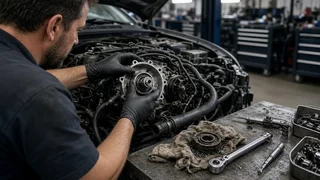
Effects of a Bad Water Pump and Driving With It
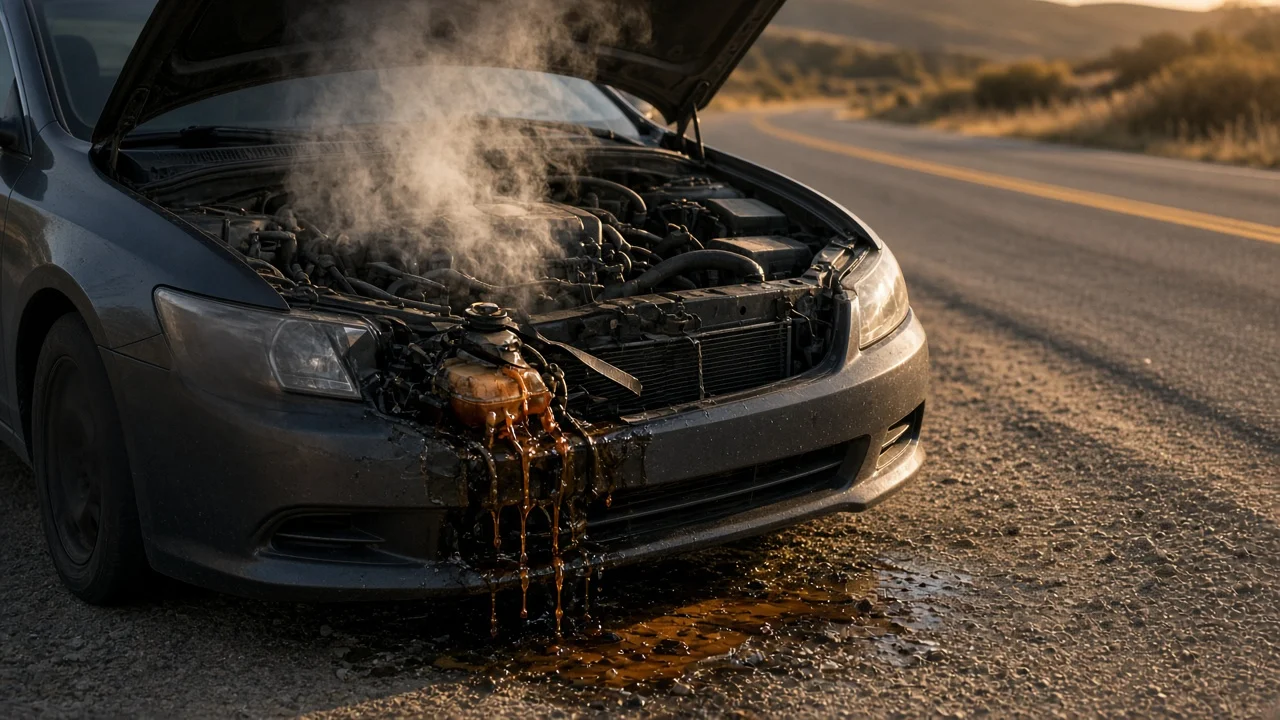
A failing water pump creates a lopsided risk equation. The component may still turn while its bearing, seal, or impeller degrades, so the engine can appear drivable for a short distance. In reality, the cooling circuit is losing its ability to move heat away from the cylinder head and block. For a driver noticing a new coolant drip, a rattle from the accessory drive area, or a climbing temperature gauge, the immediate question is whether the car can be moved safely. The answer depends less on the pump itself and more on how quickly the remaining coolant flow is lost.
Essential answer
Driving a car with a broken water pump is never risk-free, but the degree of danger changes with the failure mode. A slow leak from a worn seal may allow a brief, carefully monitored trip to a repair location if the cooling system remains full and the temperature stays normal. A seized shaft, broken impeller, or sudden large leak removes the engine’s primary coolant circulation almost immediately. In that condition, even a few minutes of operation can push cylinder head temperatures high enough to warp metal, damage the head gasket, or cause severe internal wear.
The pump’s job is not simply to hold coolant; it must keep liquid moving through the radiator, thermostat, and internal water jackets. When circulation stops, the fluid near the combustion chambers turns to localized steam pockets that do not transfer heat. The dashboard gauge or warning light may respond before permanent damage occurs, but it can also lag behind the hottest metal surfaces. For any broken pump symptom, the safest interpretation is that the effect is already underway and that continued driving should be minimized rather than used as a diagnostic test.