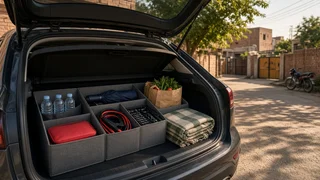
Earond car trunk organizer
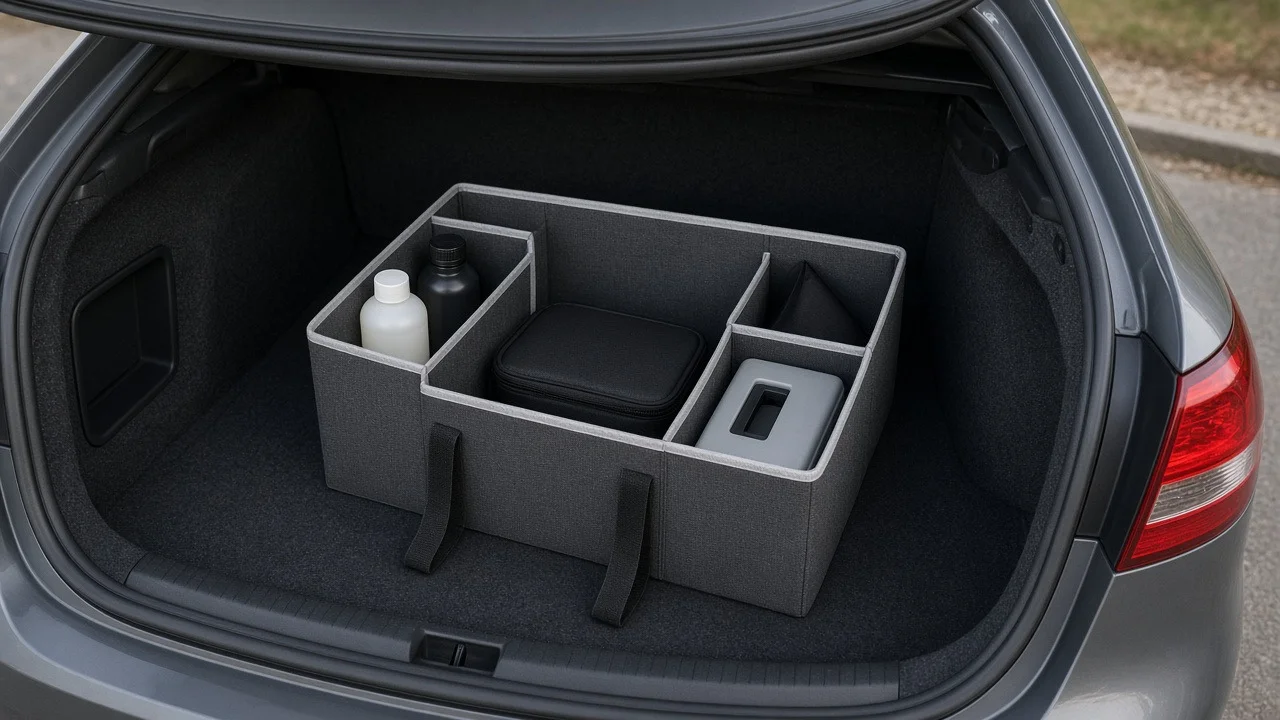
Choosing an Earond car trunk organizer starts with how the cargo area is actually used. A trunk filled with loose groceries, tools, or sports gear makes every stop a hunt and lets items slide during cornering. A well-matched organizer supports load stability, preserves access clearance, and works with the available floor dimensions rather than fighting them. Because no specific product measurements or materials were confirmed, the practical task is to interpret general design features and fit checks before purchase.
The direct answer
The Earond car trunk organizer deserves consideration only when its shape and size fit the measured trunk floor. First compare the organizer's footprint against the usable carpeted area between wheel wells and behind the rear seatback. An organizer that overhangs a spare tire cover or blocks a grocery hook reduces usable space even if its advertised category sounds correct, so the direct answer is conditional on whether the unit fits the specific vehicle opening without interfering with the trunk latch, hinge arms, or cargo light.
A practical buying condition is load stability. Look for a foldable design with firm side panels, internal compartment dividers, and fastening straps that can anchor to tie-down points or seatback hardware. Without measured dimensions or materials in the available evidence, the safer assessment is to favor an organizer whose dividers and base resist collapse when partially filled. If the trunk has a sloped floor or exposed spare tire hump, a rigid-bottom organizer often stays put better than a soft bag, provided it does not block access clearance for a stroller or cooler.