Duramax Truck Wheel Offset
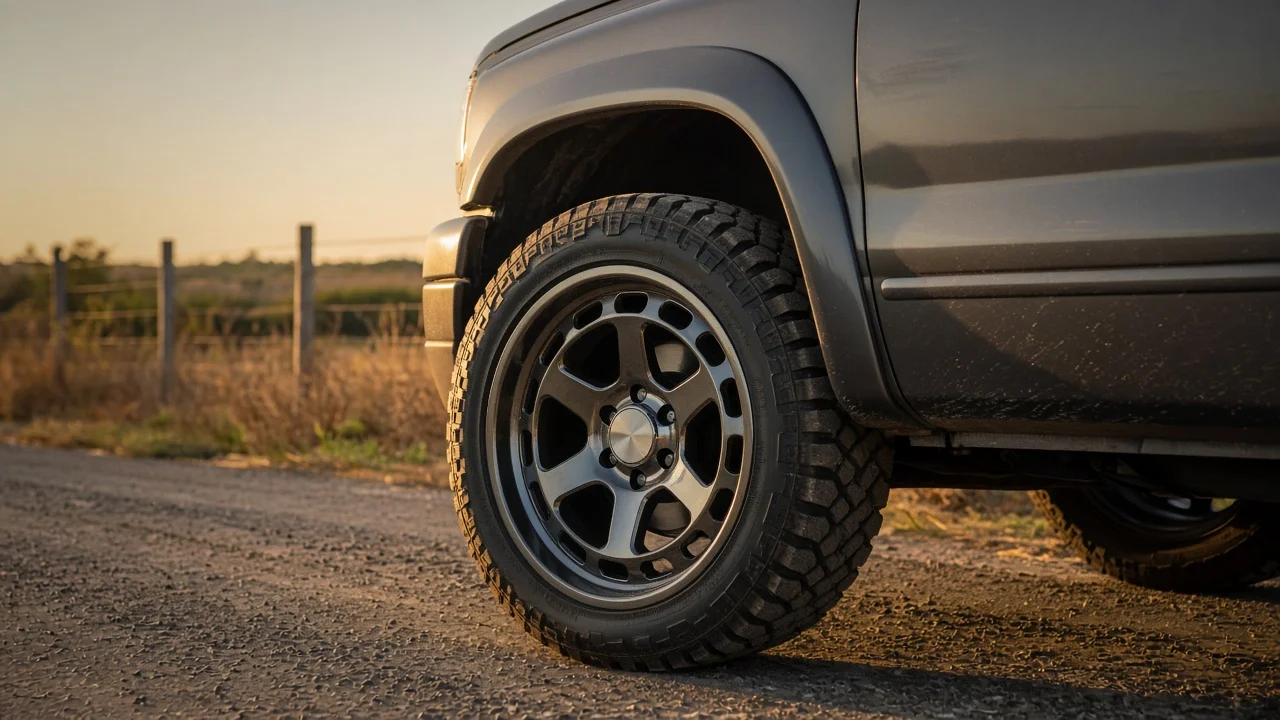
Wheel offset directly shapes how a Duramax pickup sits, steers, and clears its fenders and suspension. Offset describes where the wheel mounting face sits relative to the rim centerline, and it changes track width, scrub radius, and the space around brakes and control arms. For a heavy diesel truck, the wrong offset can create tire rub, altered steering effort, or premature bearing load. Understanding positive, zero, and negative offset helps owners evaluate fitment before changing rim diameter, rim width, or tire size. The useful question is not simply what offset fits, but how offset interacts with clearance, bolt pattern, and tire compatibility on a specific truck configuration.
Essential answer
Wheel offset is the distance between the wheel's mounting surface and the true centerline of the rim barrel. It is typically stated in millimeters and described as positive when the mounting face sits toward the outer side of the centerline, zero when it aligns with it, and negative when it moves toward the brake side. In practice, a Duramax wheel with positive offset tucks the tire inward relative to the hub, while a more negative offset pushes the tire outward and widens the visual stance.
For a Duramax truck, offset cannot be evaluated alone. Rim width, rim diameter, tire section width, and suspension lift all change how the tire occupies the wheel well. A wheel that clears at stock height may contact the fender liner or radius arm after a leveling kit or larger tire is installed. Because many Duramax trucks use eight-lug hubs and load-rated wheels, preserving adequate clearance around steering and braking components matters as much as achieving the desired look or track width.