Duramax Glow Plug Control Module Location
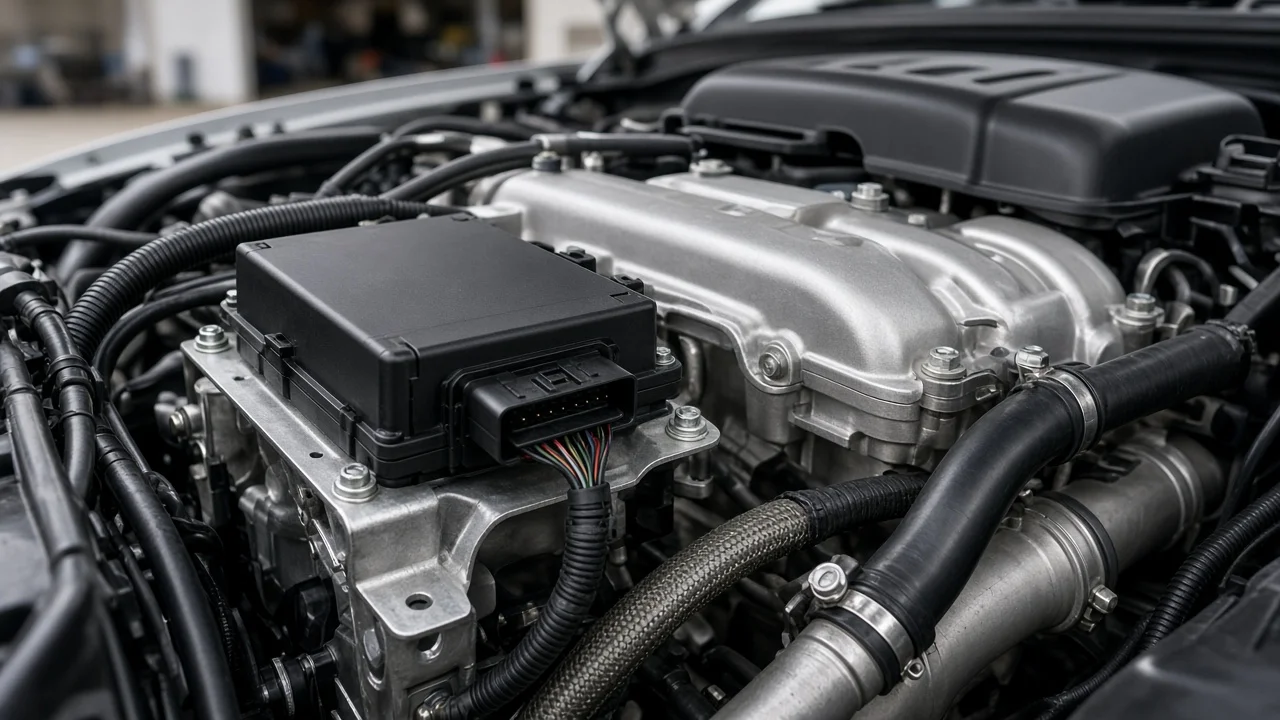
On a 6.6 Duramax, the glow plug control module is a separate electronic unit that switches current to the eight glow plugs during cold starts. Where it sits depends on the engine generation and model year, so the accurate answer is a likely area rather than one exact spot. This guide covers where owners typically find it, how the system works, what changes the answer, and how to separate a glow plug problem from a fuel delivery problem before you start replacing parts.
Where the module is usually found
On many 6.6 Duramax trucks the glow plug control module is mounted low in the front of the engine compartment rather than on top of the engine. Owners often find it near a frame rail, beneath or beside one of the two battery trays. A short, heavy cable connects it to the battery feed, and a separate harness runs back to the glow plugs in each cylinder head. GM changed component placement across the LB7, LLY, LBZ, LMM, LML and L5P generations, so the side of the truck, the mounting bracket and the trim or ducting in the way differ by year. A photo from one generation may not match a truck from another.
The most reliable way to find it on your own truck is to trace the glow plug harness. Follow the wiring from a glow plug connector at the cylinder head back to the point where the individual circuits merge. That junction leads to the module. A factory service manual or wiring diagram for your exact VIN and engine code removes the guesswork and shows the connector views you will need for testing.
How the glow plug system works
Diesel fuel ignites from the heat of compression, not from a spark. When the engine is cold, the cylinder walls and heads pull heat away from the compressed air, so the first injector pulses may not light off cleanly. Glow plugs are small heating elements that extend into each combustion chamber and raise the temperature at the moment of injection. The engine control module decides whether glow time is needed, mainly from coolant temperature and, depending on the version, other sensor inputs. It then commands the glow plug control module, which switches high current to the plugs for a pre-glow period. Many model years also run an afterglow period after start-up to reduce white smoke, rough idle and combustion noise.
The module also monitors each glow plug circuit. If a plug is open, shorted or drawing abnormal current, the fault is reported to the engine computer, which can set trouble codes such as P0670 for the module control circuit or P0671 through P0678 for individual cylinder circuits. The wait-to-start lamp only shows that a glow cycle was commanded. It does not confirm that every plug actually heated.
What changes the answer
Model year and engine code matter most. The 6.6 Duramax has been built in several generations with different emissions hardware, wiring layouts and engine configuration details, and the module location, connector style and communication method changed along with them. Depending on the version, the module may use a simple command and feedback circuit or exchange data with the engine computer, which affects how it can be tested. Pickup and chassis cab applications can also route harnesses differently around the frame and body.
Operating conditions decide whether the module matters on a given day. In mild weather, a healthy engine may start normally even with one or two weak glow plugs, so a failing module can go unnoticed until the first cold morning. In very low temperatures, gelled diesel or a waxed-up fuel filter can produce the same long crank and rough idle as a glow system fault. Block heater use, battery condition and starter speed also affect cold starting, because the glow plugs and starter draw heavily from the same pair of batteries.
What the owner can do
Start with observation. Note whether hard starting happens only when cold, whether white smoke and misfire clear up as the engine warms, and whether the wait-to-start lamp behaves normally. Read stored codes with a capable scan tool. Glow plug circuit codes point toward the plugs, harness or module, while a cold-start complaint with no glow codes needs a broader look. Once you locate the module, inspect it for corrosion, chafed wiring, loose battery feed connections and water intrusion, all common on a component mounted low and exposed to road spray. Disconnect both batteries before unplugging or unbolting anything, because the feed circuit carries high current.
Separate glow plug faults from fuel delivery faults before buying parts. A truck that cranks long whether it is warm or cold points more toward fuel. An advanced scan tool can display desired versus actual rail fuel pressure, fuel pump performance and injector balance rates, sometimes shown as cylinder fuel trim or contribution, without opening any lines. An overdue or restricted fuel filter, air in the supply side or excessive injector return flow can all mimic a weak glow system. An owner leak check should be limited to looking for wetness, drips and fuel odor on the low-pressure side with the engine off.
Do not loosen high-pressure fittings to look for leaks or air. The common rail system on these engines operates at extremely high pressure and can remain pressurized after shutdown. Escaping diesel can penetrate skin or ignite on hot surfaces. Any work on the rail, injector lines or high-pressure pump should follow the service procedure for your engine. Anti-gel and similar fuel additives can help prevent cold-weather gelling, but they do not repair a failed glow plug, a damaged harness or a faulty module.
Limitations and next step
This article explains the general layout and diagnostic logic, not the exact mounting position on every truck. Because the module moved between generations and body styles, confirm the location with service information tied to your VIN or by tracing the harness on the vehicle. Resistance and current tests for glow plugs and the module have specific values and procedures by model year, and some later systems require a scan tool to command a glow cycle for testing.
Get professional help if codes return after a repair, if the truck will not start at all in cold weather, if diagnosis points toward the high-pressure fuel system, or if glow plugs need removal and appear seized. A plug that breaks off in the cylinder head turns a routine job into a much larger repair. A shop with factory-level scan capability can test the module, glow plugs and fuel system together and identify which one is actually causing the cold-start problem.