DSM Clutch Drag: Diagnosing Incomplete Clutch Release
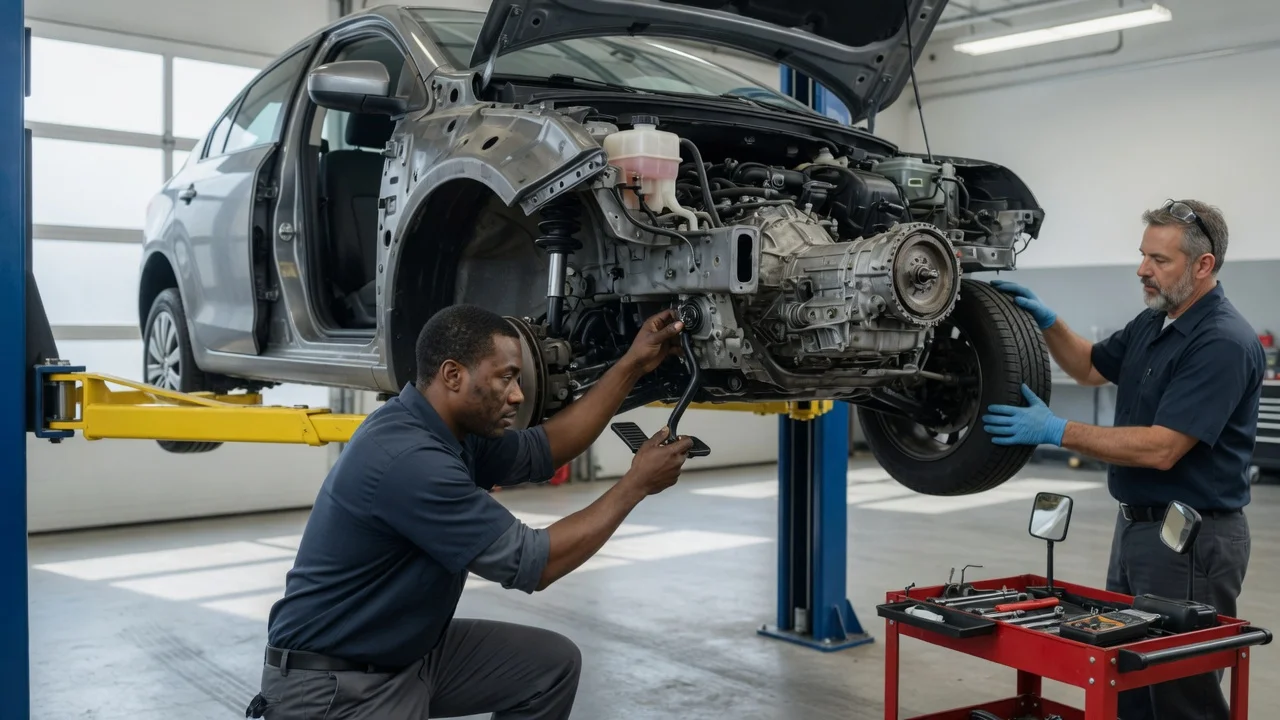
What Is Clutch Drag in a DSM?
Clutch drag is a condition where the clutch does not fully disengage when the driver presses the pedal. In DSM vehicles—a common shorthand for Diamond-Star Motors models such as the Mitsubishi Eclipse, Eagle Talon, and Plymouth Laser from the early 1990s through the late 1990s—the clutch is expected to release fully so the transmission input shaft can stop rotating while the pedal is held down. Incomplete release leaves the clutch disc lightly contacting the flywheel or pressure plate even with the pedal on the floor, making it harder to shift, especially into first or reverse.
Direct Answer to the Main Question
The essential answer is that DSM clutch drag usually comes from insufficient travel or release pressure in the hydraulic clutch system, wear or misalignment in clutch parts, or mechanical damage such as a warped disc or compromised pressure plate. The scope of the diagnosis is manual-transmission DSM models with a conventional cable or hydraulic clutch release. The exact cause varies by model year and generation, because earlier DSM platforms commonly used a cable-operated clutch while later models moved to hydraulic actuation. Any claim about the fix should be matched to the applicable year, generation, and clutch type rather than applied to all DSMs uniformly.
Common Symptoms of Incomplete Clutch Release
The most noticeable symptom is difficulty shifting while the vehicle is stationary or moving slowly. The driver may hear gear clash when selecting first or reverse, or feel the shifter resist engagement even though the pedal is fully depressed. The vehicle may also creep forward with the transmission in gear and the clutch pedal held down. In some cases, shifting becomes easier at higher RPM, but the underlying release problem remains.
Hydraulic System Causes
On hydraulic DSM clutches, incomplete release often begins with low fluid in the clutch master cylinder reservoir. The reservoir is typically shared with or mounted near the brake master cylinder depending on the model. Low fluid can indicate a leak at the master cylinder, slave cylinder, or the line between them. A leaking slave cylinder is a common source of lost travel and reduced release. Trapped air in the line has the same practical effect: the pedal stroke compresses air instead of moving the release fork through its full range.
Low clutch fluid; Internal leak at the clutch master cylinder; External leak at the slave cylinder; Air in the hydraulic line or slave cylinder; Worn or damaged flexible hydraulic hose; Improperly adjusted or binding clutch pedal mechanism
Mechanical and Wear-Related Causes
Even with a healthy hydraulic or cable system, mechanical faults can prevent full release. A warped clutch disc will continue to contact the flywheel or pressure plate during disengagement. A pressure plate with broken or uneven diaphragm spring fingers can hold the release bearing unevenly, reducing the gap between the disc and the flywheel. Worn transmission input shaft splines can also cause the disc to hang on the shaft rather than sliding back when the pressure plate releases.
Installation issues matter here. If the clutch disc is installed backward, the hub can contact the flywheel bolts and keep the disc engaged. A bent or misaligned pressure plate, loose flywheel bolts, or an incorrect release bearing can all change the geometry enough to leave residual contact. On cable-operated DSMs, a stretched or poorly routed cable reduces release travel, and a missing or incorrectly set pedal stop can further limit effective travel.
Diagnostic Steps
Start with the simplest accessible checks. Confirm the clutch fluid level and inspect the master and slave cylinders for wetness or fluid staining. Then check the adjustment and free play at the clutch pedal, because excessive free play directly reduces how far the release system can move. If the system is hydraulic, bleed the clutch following the manufacturer's procedure and see whether pedal feel and release improve. Bleeding removes air but does not correct a mechanical leak, so a repeated need for bleeding points back to a hydraulic fault.
Distinguishing Actuation Problems from Clutch Damage
A useful boundary is whether the release system is actually moving the fork through its intended range. If the fork movement is short or soft, the problem is more likely hydraulic or cable-related. If the fork moves fully but the clutch still drags, the cause is more likely inside the bellhousing—disc, pressure plate, flywheel, or input shaft. This distinction does not eliminate all overlap, but it helps prioritize whether to bleed and inspect the actuation side or plan for clutch removal.
When Transmission Removal Is Necessary
If the hydraulic or cable system checks out and the release fork travel is adequate, the clutch assembly itself must be inspected. That requires separating the transmission from the engine. Visually inspect the disc for warpage, contamination, or reversed installation. Check the pressure plate fingers for uneven height or cracking, and inspect the flywheel friction surface for grooves, heat damage, or loose hardware. Correct orientation and torque are critical when reassembling, because even small geometry errors can reintroduce drag.
Material Uncertainty and Model Variations
This guide does not include factory-released measurements for every DSM year or transmission, and no supplied evidence provides a universal release-travel specification. Where a specific measurement is required, it should be confirmed from the service documentation for the applicable model year and clutch type before adjusting or replacing parts. The general diagnostic sequence above is based on the mechanical behavior of clutch systems rather than a single measured test result, so it does not substitute for model-specific service data.