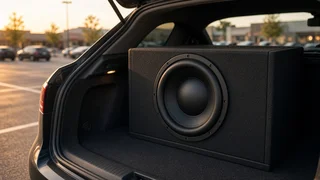
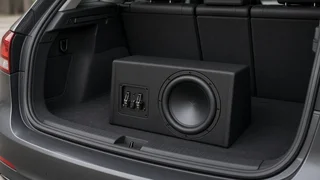
Down-firing car subwoofers
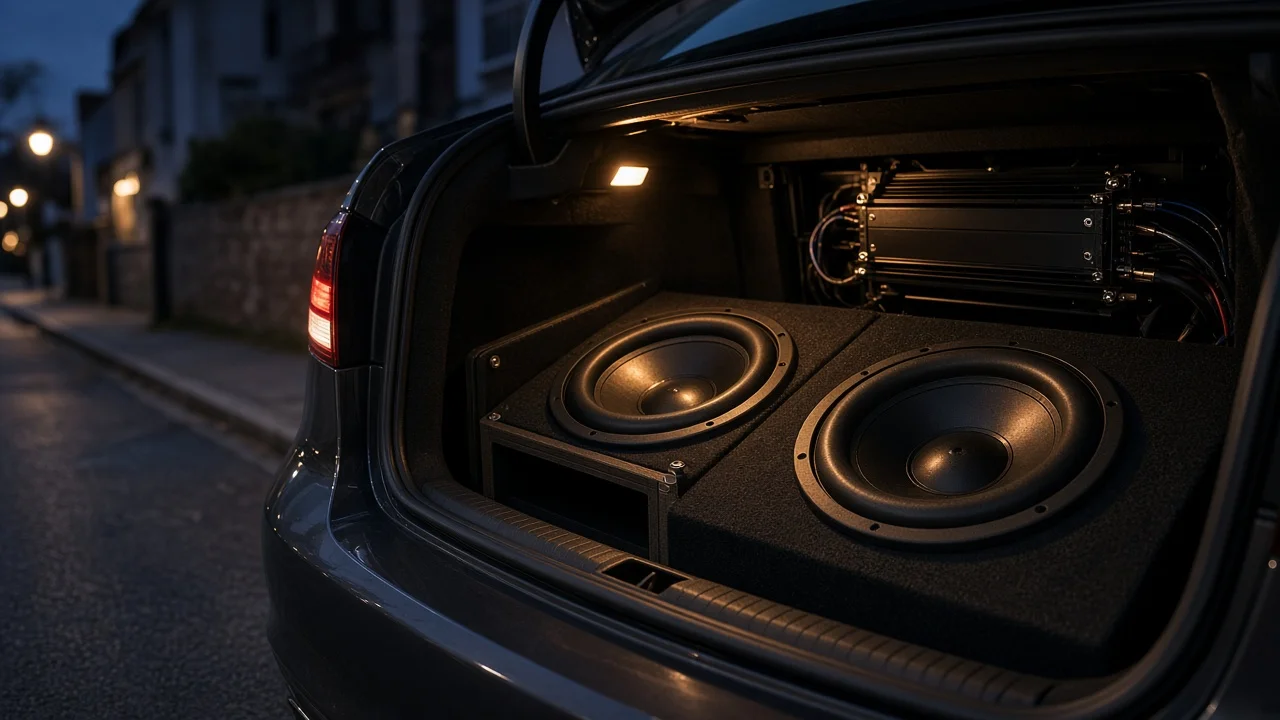
Choosing a down-firing car subwoofer changes how low-frequency energy reaches the cabin because the driver faces the floor instead of the rear or tailgate. Shoppers weighing this style care about enclosure fit, available space under a seat or in a trunk, and how the reflected bass interacts with the vehicle's interior. The right choice depends on your audio source, head unit output, speaker wiring, and vehicle integration. A well-matched enclosure can produce clean, distributed low end without dominating the cargo area. This guide explains the design, practical checks, and ownership considerations for buyers researching this specific woofer orientation.
The direct answer
A down-firing car subwoofer is a practical selection when you want useful low-frequency reinforcement and a compact installation. Facing the driver toward a close surface creates a short reflection path that can make bass feel more evenly spread, especially in an SUV, hatchback, or sedan trunk. The effect depends on the floor surface and the air gap beneath the enclosure, so a carpeted load floor typically performs better than a hard metal panel that can rattle or reflect unevenly.
Before buying, confirm that the enclosure provides enough clearance for cone movement and that the driver's mounting depth suits the available space. A down-firing subwoofer car option often works best with an amplifier and head unit configured for a clean signal path. Check the enclosure material, terminal cup access, and how the speaker wiring will connect without pinching under carpet or seat rails. This orientation is a legitimate solution, not automatically better than rear-firing; the vehicle shape and installation location determine whether it works well in your setup.