Does the Nissan Rogue Have a Timing Belt or Chain?
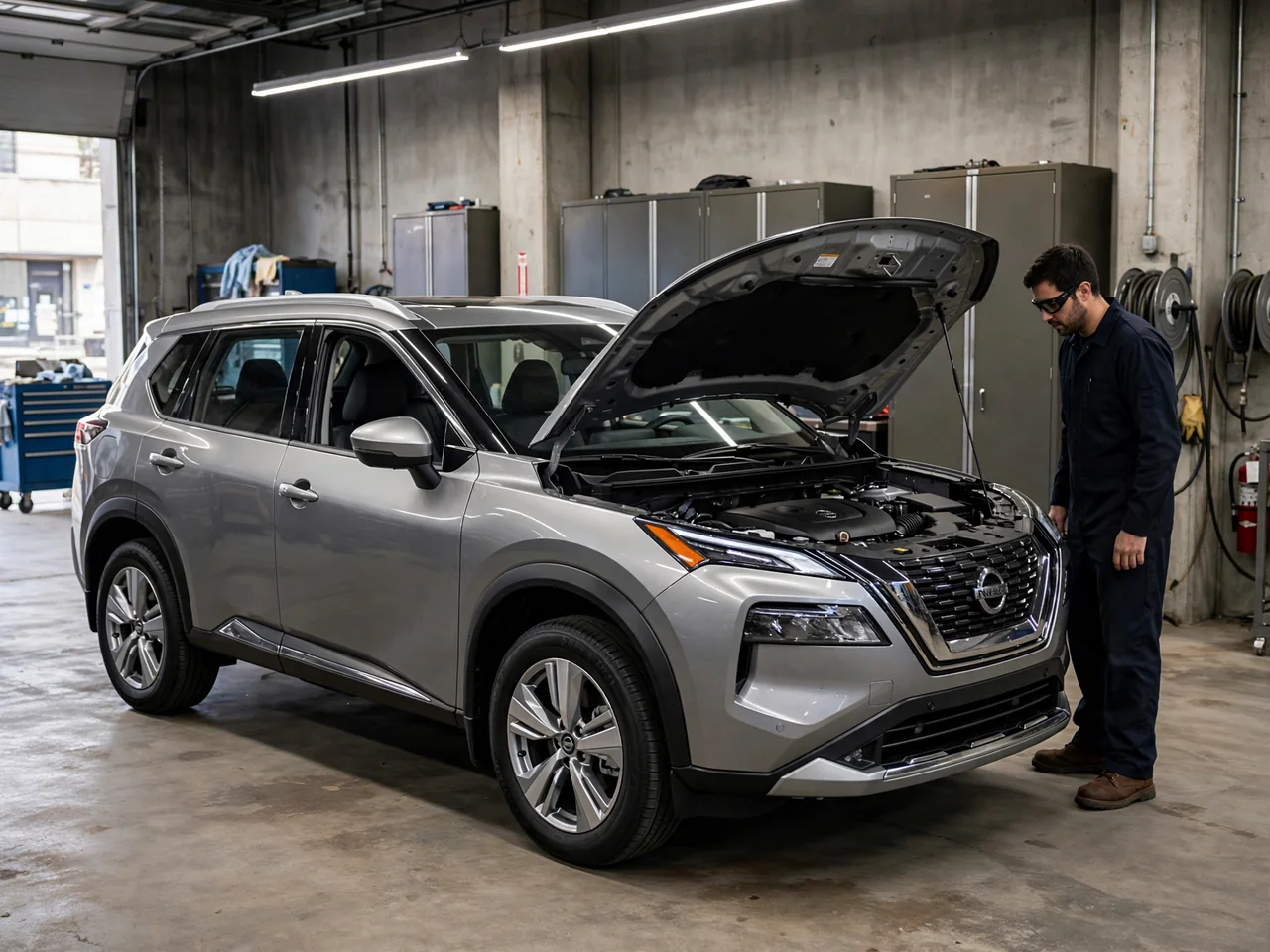
If you own or are considering a Nissan Rogue, you may have searched for “nissan rogue timing belt replacement” and wondered whether the engine uses a rubber belt or a metal chain. The answer matters because it affects maintenance costs and long-term reliability. Many Rogue engines use a timing chain, not a belt, so the scheduled service is different from what belt-driven engines require. Understanding this distinction helps you avoid unnecessary replacements and interpret common symptoms correctly.
The Nissan Rogue Uses a Timing Chain
Nissan Rogue gasoline engines generally use a timing chain rather than a timing belt. This means that searches for a timing belt replacement on a Rogue often start from a mistaken assumption. The timing chain is a metal link chain that runs inside the engine, connecting the crankshaft to the camshafts. It keeps valve and piston movements synchronized so the engine runs correctly. Unlike a belt, the chain is designed to last the life of the engine under normal conditions.
A visible rubber belt on the front of the engine is the accessory drive belt, not the timing belt. The accessory belt drives the alternator, power steering pump, and air conditioning compressor. Its presence does not mean the engine has a timing belt. The timing chain is hidden behind covers and lubricated by engine oil. Knowing this difference prevents confusion when a service advisor mentions belt replacement.
Confirm the Model Year and Engine Before Planning Service
Before planning any timing system service, confirm the exact model year and engine in your Rogue. Different engine options may have different timing chain configurations. The VIN can be used by a dealer or service provider to pull up the correct vehicle documentation. This step avoids using information that applies to a different Rogue generation or engine size. Always verify with the maintenance manual for your specific vehicle.
The Rogue Sport is a separate model and may have different service requirements than the standard Rogue. Do not apply Rogue Sport timing chain information to your Rogue without checking. Even within the same model year, engine variations can exist. Using the vehicle-specific maintenance schedule is the only reliable way to know if any timing chain inspection or replacement is recommended by Nissan.
What a Timing Chain Means for Routine Maintenance
Having a timing chain does not automatically require replacement at a fixed mileage. Many chains are designed to last the life of the engine, but that does not mean they are immune to wear. The best practice is to follow the maintenance schedule in your owner’s manual. Some Rogue engines may not list any timing chain replacement interval. That is normal and does not indicate a missing service.
Engine oil plays a critical role in timing chain longevity. The chain and its guides rely on oil for lubrication and hydraulic tensioner operation. Low oil level or extended oil change intervals can accelerate wear. Mileage alone cannot tell you if a chain is stretched or guides are worn. A high-mileage Rogue with excellent oil maintenance may have a fine chain, while a neglected engine could have problems earlier.
Symptoms That Deserve Inspection
A persistent rattling noise from the front of the engine, especially on cold start, may indicate timing chain wear. However, other components can make similar sounds, such as the accessory belt tensioner or valve lifters. Rough running, hard starting, or a check engine light could point to timing issues, but they are not proof. Record when the noise occurs and whether the engine is cold or warm to help a technician diagnose.
A stored diagnostic trouble code related to camshaft or crankshaft correlation does not mean the chain is automatically bad. The code may be caused by a faulty sensor, wiring issue, or oil pressure problem. Interpretation requires the exact vehicle and often additional tests. If the oil pressure warning light comes on, or you hear severe mechanical noise, stop driving safely and arrange towing. Major loss of power also warrants immediate attention.
What to Confirm Before Timing Chain Replacement
Before authorizing a timing chain replacement, ensure a professional diagnosis has pinpointed the timing system as the fault. Replacement is substantial engine work that requires removing timing covers and precisely setting camshaft timing. The procedure is vehicle-specific and should follow Nissan’s service information. A misdiagnosis can lead to expensive work that does not fix the actual problem.
When a timing chain replacement is proposed, ask for a detailed breakdown of diagnostic findings. The service should specify which parts are being replaced: chain, tensioner, guides, sprockets, and related seals. Find out what caused the failure, such as oil sludge or a failed tensioner. Obtain an itemized estimate covering parts, labor, and post-repair verification. Ask what warranty applies to the work and how they ensure correct timing after assembly.