Does Engine Oil Go Bad If a Car Sits Unused?
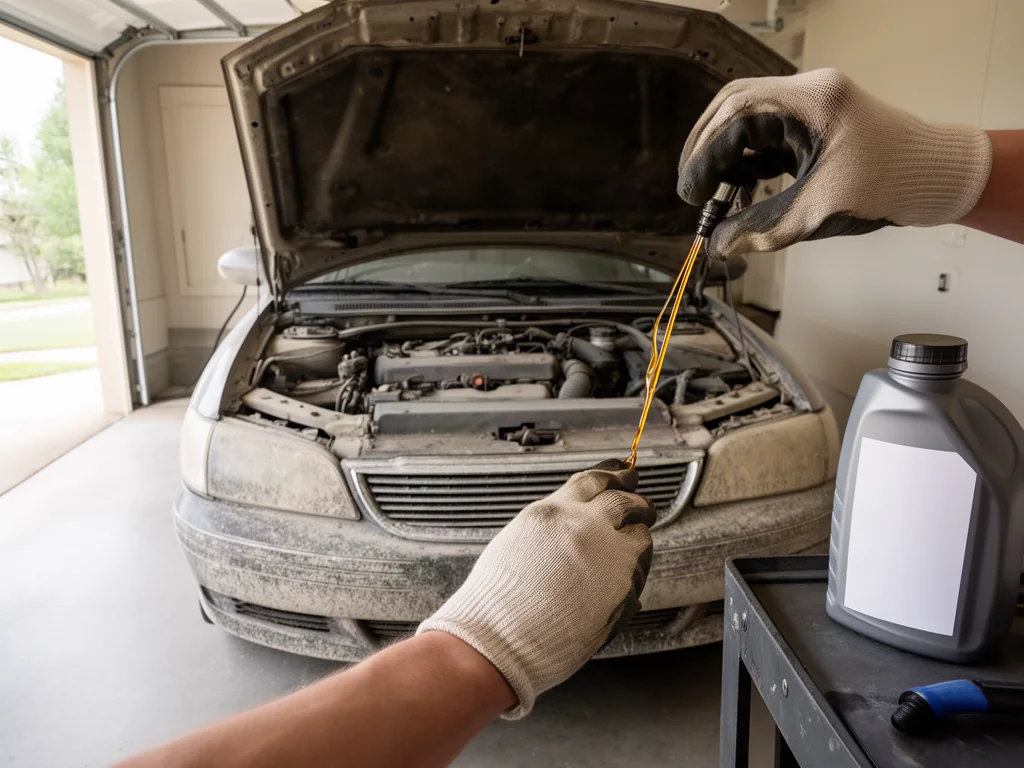
When a car sits unused, many owners wonder: does engine oil go bad if car not used? The short answer is yes—oil in an engine can degrade over time even without miles accumulating. Moisture condensation, oxidation, and additive depletion all continue slowly while the vehicle is parked. Used oil is especially vulnerable because it already holds combustion byproducts and acids from the last drive. Understanding oil shelf life, whether in the bottle or the sump, helps you decide if a time-based oil change interval is due before you turn the key.
Why Engine Oil Ages Even When the Car Is Not Driven
Engine oil ages even without use, so a parked car is not a reason to skip an oil change. Exposure to air, heat cycles from day-night temperature swings, and moisture can oxidize the oil, making it thicken and form sludge. The additives that protect against wear, corrosion, and acidity gradually deplete as they neutralize existing contaminants. Over months, this chemical breakdown reduces the oil’s ability to lubricate and clean, which matters most on the first start after long storage when internal parts rely on residual oil film.
Used oil sitting in the sump is far more aged than fresh oil sealed in a bottle. During the last drive, the oil picked up combustion byproducts, unburned fuel, and moisture. These contaminants continue reacting while the car sits, forming acids and sludge precursors. Fresh oil in a sealed container is protected from air and moisture, so its additive package stays stable much longer. The key distinction is that engine oil in service has already started its degradation path, while unopened oil remains in a dormant, stable state.
Shelf Life of Sealed and Opened Oil Containers
Unopened engine oil lasts much longer than oil circulating in an engine, but there is no universal shelf life—check the manufacturer’s label or guidance for recommended storage duration. Proper storage conditions extend bottled oil life significantly. A sealed cap prevents air and humidity from entering, stable moderate temperatures slow additive breakdown, and a dark, dry location shields oil from UV light and moisture. Following these habits keeps the oil’s viscosity and protective chemistry intact for years in many cases.
A partly used container ages faster once air and moisture get inside, so always close the cap tightly after pouring. Visible warning signs in bottled oil include separation into layers, cloudiness, or sediment at the bottom. If the oil looks hazy, has white streaks, or smells rancid, do not use it. These changes suggest oxidation or water contamination that could harm your engine. When in doubt, dispose of old questionable oil and start with a fresh sealed bottle, especially before adding it to a car being prepared for storage.
What Happens Inside an Engine During Long Storage
During long storage, engine oil gradually drains from internal surfaces down to the oil pan, leaving bearings, cylinder walls, and camshafts with minimal film. This contributes to dry start wear when the engine is first cranked after months of sitting. Temperature swings cause condensation inside the crankcase; moisture that contacts bare metal can initiate corrosion. That water accumulates in the oil, forming a milky emulsion and promoting sludge that may clog oil galleries and reduce flow.
Brief idling or very short drives during storage worsen moisture buildup because the engine never reaches full operating temperature long enough to evaporate water from the oil. Each cold start adds more blow-by and condensation, creating a cycle of contamination. After prolonged inactivity, seals and gaskets may dry out, shrink, or seep, leading to small drips around the pan, valve cover, or front and rear main seals. This is not guaranteed for every vehicle, but it is a plausible consequence of extended sitting.
Safe Checks That Suggest Stored Oil Needs Changing
Before starting a stored car, perform a few checks with the engine off and cool. Pull the dipstick and inspect the oil level, color, and consistency. Normal used oil ranges from amber to dark brown, but if it appears black and gritty, that suggests heavy soot loading and oxidation. Rub a drop between your fingers—smooth is fine, but a grainy texture indicates particulate matter. Also look at the filler cap underside for sludge or mayo-like residue.
Warning signs that demand a mechanic’s inspection include milky or foamy oil—pointing to coolant or water contamination—along with a strong fuel smell from blow-by or a leaking injector. Fresh drips or puddles under a parked car suggest a leaking gasket or seal that may have dried out. However, a visual check has limits: oil can look clean while its additives are depleted. Only lab oil analysis or a professional inspection can truly reveal acid number, viscosity breakdown, and remaining additive strength.
Using Time-Based Oil Change Guidance for Low-Mileage Cars
Most owner’s manuals specify oil change intervals by both mileage and time—for example, every 7,500 miles or 12 months, whichever comes first. Even if the odometer barely moves, the clock keeps counting down. Follow the shorter limit for your vehicle, because time-based degradation is just as real as wear from driving. A car driven only a few hundred miles in a year still needs an annual oil change by most schedules.
Long storage and infrequent short trips often count as severe-service conditions, which typically require more frequent oil changes. Check your owner’s manual or manufacturer website for the specific recommendations; do not guess. The date of the last oil change matters as much as mileage for low-use cars. Keep maintenance records—a sticker under the hood, a phone note, or a logbook—so you know exactly how long the current oil has been sitting in the engine.
Before Driving a Car That Has Been Parked for Months
If the oil is past the time limit in your manual or shows warning signs, change it before driving normally. This is cheap insurance against dry start wear and sludge. Before the first drive after months of parking, do a basic pre-drive check: engine oil level and condition, coolant level, visible leaks underneath, signs of rodent nesting or chewed wires under the hood, tire pressure, and battery voltage. No detailed repairs are needed—just confirm everything is safe and functional.
Once driving, certain symptoms mean stop and get professional help immediately: an oil pressure warning light, check engine light, knocking or ticking noises from the engine, or blue/white smoke from the exhaust. These indicate serious problems like low oil pressure, dry bearings, or coolant burning. Otherwise, drive gently for the first 15–20 minutes until the engine reaches normal temperature; this allows oil to circulate, lubricate, and evaporate residual moisture before you load the engine heavily.
Preparing a Car for Storage to Protect the Oil
Many experienced owners change the engine oil before long storage, not only after. Fresh oil contains a full additive package that protects internal surfaces from corrosion and acid formation during the idle months. Used oil already carries acids and moisture that would keep working against metal parts. So if you know the car will sit for many months, an oil change immediately before parking gives the best protection.
During the storage period, occasional full drives that fully warm the engine help boil off moisture and circulate oil, but only if done safely and legally. Short start-ups that merely idle for a few minutes do more harm than good because they add condensation without reaching evaporation temperature. General storage habits include a dry, sheltered spot away from direct sun, periodically checking fluid levels, and noting the storage date. Always follow the vehicle manufacturer’s storage recommendations when available, since needs differ by model and engine type.