Does Engine Coolant Go Bad? Shelf Life and When to Change It
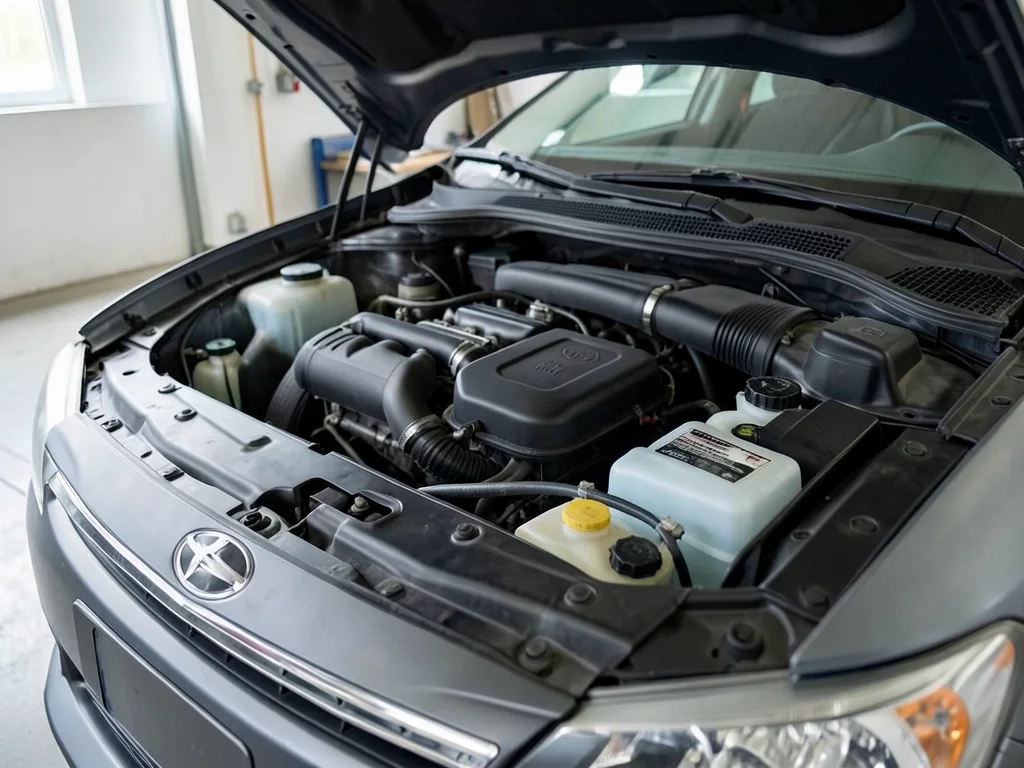
Can engine coolant go bad? Yes, though not in the way food spoils. Coolant protects an engine through a balance of glycol, water, and additives, and that balance can wear down in service or be compromised in storage. Understanding how coolant degrades, which warning signs deserve attention, and how coolant technology relates to replacement timing helps owners protect the radiator, water pump, heater core, and engine.
Can Engine Coolant Go Bad?
Engine coolant can become unsuitable for use in three main ways: additive depletion, contamination, and improper storage. The glycol base that lowers the freezing point and raises the boiling point is fairly durable. The corrosion inhibitors blended into it are different. They are used up gradually as they coat and protect metal surfaces, gaskets, and seals. Once they are spent, the fluid may still circulate normally but offer far less defense against rust, pitting, electrolysis, and scale inside the cooling system.
That is why freeze protection and corrosion protection should be treated as separate properties. A hydrometer or refractometer might show adequate protection against freezing, but that reading says little about whether the inhibitors are still working. People also tend to blur two different timelines. The coolant replacement interval is the automaker's schedule for fluid that is in service. Coolant shelf life is how long a sealed product stays usable before it is ever poured into an engine.
What Happens to Coolant Inside the Engine
Inside a running engine, coolant cycles under pressure between cold starts and full operating temperature. Heat speeds up chemical reactions, and over time the inhibitors react with aluminum, cast iron, copper, brass, and solder as they form protective films. Glycol can also break down into acidic byproducts that gradually shift the coolant's chemistry. As pH drifts and inhibitor reserves shrink, internal surfaces become more vulnerable. That is why age matters even when mileage is low.
Coolant contamination speeds up this decline. Combustion gases, oil, minerals from hard tap water, and debris can all upset the chemistry, and a wrong dilution ratio weakens both freeze and corrosion protection. Mixing products without confirmed compatibility can make additives interfere with one another or drop out as sludge. Topping off the reservoir replaces only the small amount that was lost. It does not renew the whole coolant charge or reset the replacement interval, because most of the aged fluid stays in the block, radiator, and heater core.
Shelf Life of Unopened and Opened Coolant
Does engine coolant go bad while it sits on a garage shelf? Unopened coolant is fairly stable, but shelf life varies by product and formulation, so there is no universal expiration period. Some manufacturers print a production date or best-by date on the container. The label or the manufacturer's product information is the right place to confirm storage guidance. If a jug has no readable date and its age is unknown, that uncertainty is worth weighing before you use it.
Opening a container gives moisture, dust, and other contaminants a way in, especially if the cap was left loose or the jug sat in a dusty shop. Keeping coolant in its original labeled container, tightly closed and within the temperature range on the label, helps preserve it and keeps its specification identifiable. Opening a jug does not prove the coolant has expired. Unknown contents, a cracked or bulging container, visible particles, or unexplained cloudiness are all good reasons not to use stored coolant.
Signs That Coolant Needs Attention
Owners can learn a lot from a quick look at the coolant reservoir, as long as the vehicle is fully cooled and the check is limited to the tank you can see from outside. Never remove a radiator or reservoir cap on a hot or pressurized system. Visible sediment, rust-colored flakes, unusual cloudiness, sludge, or an oily film are reasons for a closer inspection. None of these proves a particular fault by itself, but each suggests the fluid or the system needs professional attention.
Coolant color is not a reliable guide to chemistry or remaining service life. Manufacturers use many different dyes, and different technologies can look alike, so clear, bright fluid may still be overdue. Overheating, repeated coolant loss, a sweet smell, or weak heater output are cooling-system symptoms that need diagnosis. They are not automatic proof of old coolant. A failing thermostat, a weak water pump, a leaking hose, a clogged radiator, or a head gasket problem can cause similar signs.
Finding the Change Interval for Your Coolant Technology
Coolants are usually grouped by inhibitor chemistry. Inorganic additive technology, or IAT, uses silicates and phosphates that act quickly but are used up relatively fast. Organic acid technology, or OAT, uses organic acids that work more slowly and usually last longer. Hybrid organic acid technology, or HOAT, combines organic acids with selected inorganic additives. As general background, older IAT coolants were traditionally changed more often, and many OAT and HOAT products are sold as extended-life formulas. These are broad tendencies, not a schedule for any particular vehicle.
A technology label alone cannot set a replacement schedule, because each automaker sets its own coolant specification and its own time or mileage limit, whichever comes first. The owner's manual or the vehicle-specific maintenance schedule is the authoritative source. Some vehicles list a longer interval for the factory fill and shorter intervals after that, so the first change may not match later ones. When service history is unknown, as with many used cars, check the records and get professional guidance instead of guessing what is in the system.
When Testing or Replacement Makes Sense
Testing can help, but every method has limits. A freeze-point test with a refractometer or hydrometer measures glycol concentration, not the condition of every protective additive. Test strips and lab analysis can tell you more, but the test has to suit the coolant chemistry being checked. Have a professional look at the system if you see signs of contamination, keep losing coolant, notice overheating, or aren't sure what fluid is already in it. A technician can pressure-test the system and inspect components directly.
If replacement is the right call, the new coolant must meet the vehicle's required specification and dilution requirements. That applies whether you use a premixed product or concentrate mixed with the recommended water. Container color and marketing claims like universal compatibility do not prove a match. Used or unwanted coolant is toxic and can taste sweet, so keep it sealed and away from children and pets. Never pour it into drains or onto soil. Take it to an appropriate collection facility instead.