Does a Turbocharger Make Your Car Faster
Turbochargers have become common across performance cars, trucks, and even small economy engines, but the simple promise of more speed deserves a closer look. A turbo does not change gearing or magic away weight, yet it can substantially raise output by forcing additional air into the cylinders. That extra air, combined with the correct amount of fuel, produces a stronger combustion event. Whether that becomes quicker acceleration depends on engine tuning, boost pressure, vehicle weight, traction, and how the driver uses the available power.
Essential answer
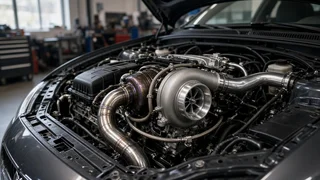
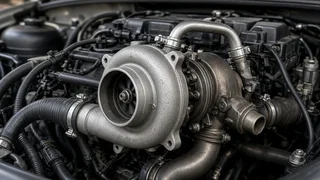
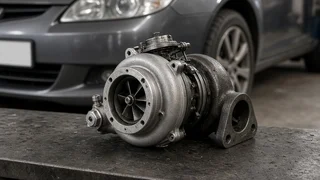
Yes, a turbocharger can make a car faster when the system is operating as intended and the rest of the driveline can support the additional torque. It recovers energy from exhaust gas that would otherwise be wasted and uses that flow to spin a turbine. A shared shaft then drives a compressor wheel that pushes a denser air charge into the intake, allowing the engine to burn more fuel in the same displacement and produce more work per revolution.
The gain is not an automatic top-speed or acceleration number. A small turbo may improve midrange response while adding modest peak power, whereas a larger unit can deliver stronger top-end output but may feel softer at low rpm until exhaust energy builds. Turbo lag, charge-air temperature, transmission tuning, and the vehicle’s weight all shape how much of the advertised boost actually reaches the road as quicker passing, merging, or track performance.