Dodge TCC Solenoid: Identifying the Correct Component
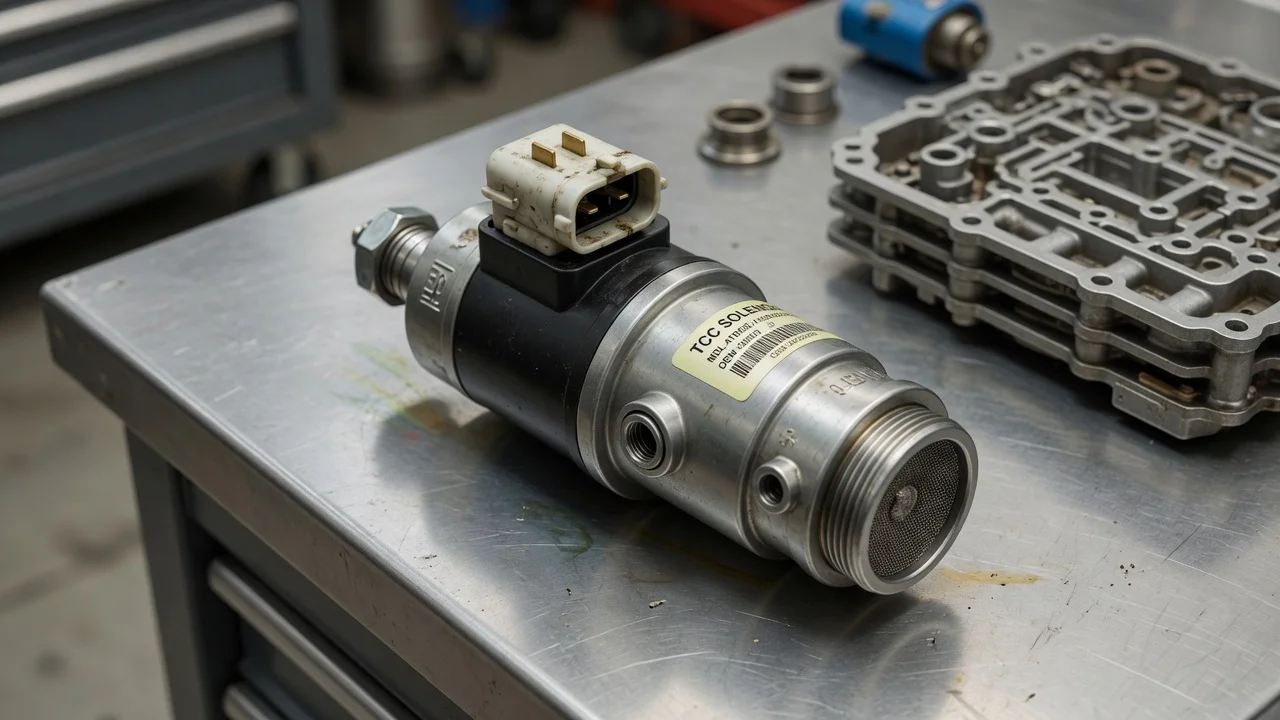
Dodge has used many automatic transmissions over the decades, so there is no single universal torque converter clutch (TCC) solenoid. Depending on the transmission, the lockup solenoid may be part of a combined assembly, one function inside a multi-solenoid pack, or a component built into a valve body or control module. This guide explains how to narrow down the right part and why a lockup complaint should be diagnosed before anything is ordered.
Which Dodge TCC solenoid fits your vehicle
The correct part depends on the exact transmission installed in your vehicle, not on the Dodge model name alone. A Ram pickup, Durango, Dakota, Caravan or Charger may have been built with different transmissions depending on model year, engine, drivetrain and equipment package. On the older rear-wheel-drive four-speed units in the RE family, the converter clutch solenoid is commonly combined with the overdrive solenoid in a single assembly mounted to the valve body. On many front-wheel-drive and later electronically controlled units, converter clutch control is handled within a larger solenoid assembly, and in some designs one solenoid shares lockup duty with a shift function. On several recent multi-speed transmissions, TCC control is integrated into the valve body or transmission control module and may not be sold as a separate piece.
The practical answer has two parts. First, confirm the transmission model and configuration, then match the component using the VIN or the transmission identification. Second, confirm the lockup system is actually at fault. A torque converter clutch complaint can come from wiring, fluid condition, sensor inputs, the converter itself or internal hydraulic problems, so a symptom alone does not identify the failed part.
How torque converter clutch control works
A torque converter connects the engine to the transmission through fluid, which allows the vehicle to stop in gear without stalling. That fluid coupling always has some slip, which costs efficiency and creates heat. The converter clutch solves this by mechanically locking the converter once conditions allow, usually at steady cruising speed, so the engine and transmission input turn together.
The powertrain or transmission control module decides when to apply the clutch based on inputs such as vehicle speed, throttle position, gear, fluid and engine temperature, and brake switch status. When lockup is wanted, the module energizes the TCC solenoid, which directs hydraulic pressure to apply the clutch. Some systems pulse the solenoid to allow partial or gradual engagement for smoother feel. The clutch releases during deceleration to a stop, under heavy throttle in some cases, or when the brake is applied. The module also monitors the solenoid circuit and, on many vehicles, compares engine speed with transmission input speed to judge whether lockup is happening as commanded.
What changes the answer
Transmission type is the biggest factor. Older hydraulically shifted units with an electronically controlled lockup feature, four-speed rear-wheel-drive units, front-wheel-drive transaxles and newer multi-speed transmissions all package converter clutch control differently. Even within one transmission family, design changes across model years can alter the solenoid assembly, its connector, its mounting or its electrical characteristics. Two vehicles of the same model and year can also differ if one has a different engine, four-wheel drive, a towing or heavy-duty package, or a different transmission option.
Service history matters as well. A transmission that was rebuilt or replaced may carry a different valve body, solenoid assembly or even a different unit than the factory build data suggests. Some newer components need programming or an adaptation relearn after replacement, which affects both the part choice and the repair cost. Fluid specification also varies: many Chrysler-built units call for a specific fluid, while transmissions sourced from other suppliers may require something else. The wrong fluid can change how lockup engages and feels, so the correct fluid is part of getting the repair right.
How to identify the correct component
Start with the basics: full VIN, model year, engine, drivetrain and any factory packages. The owner's manual or build documentation may list the transmission and its fluid specification. Many transmissions also carry an identification tag or stamped number on the case; its location varies by unit, and it is especially useful if the transmission has been replaced. A dealer parts counter or a reputable parts catalog that searches by VIN is usually the most reliable way to confirm fitment, because it reflects the vehicle as built.
When the old part is accessible, compare it physically with the replacement before installation: connector shape and pin count, number of solenoids in the assembly, mounting points and any part numbers on the housing. If the catalog shows more than one option for your vehicle, the deciding detail is often a production date or a transmission code. Do not assume a part fits because it looks similar or because it is listed for the same model in a neighboring year.
Checks to make before buying a part
Read the diagnostic codes with a scan tool that can access transmission data, not only generic engine codes. Codes in the P0740 range point to the TCC circuit or its performance, but they do not specify whether the cause is the solenoid, the wiring, the connector, the control module, the converter or hydraulic issues. Manufacturer-specific codes and live data, such as commanded lockup versus actual converter slip, give a clearer picture than the code description alone.
Note the shift behavior and when the problem appears. If lockup is not engaging, engine RPM may stay higher than usual at steady highway speed and the transmission may run hotter. If the clutch stays applied, the engine may stumble or stall when coming to a stop. Shudder during lockup can be related to fluid condition or the converter clutch itself rather than the solenoid. Check fluid level and condition using the procedure specified for your transmission, since some units have no conventional dipstick. Inspect accessible wiring and connectors for damage, corrosion or fluid intrusion. Depending on what is found, repair options range from a wiring repair or fluid service to replacing the solenoid assembly, the valve body or the torque converter.
Limitations and next step
This guide cannot confirm which part your vehicle needs or whether the solenoid has failed. Electrical specifications, access procedures, refill methods and programming requirements are specific to each transmission, and they should come from the service information for your exact unit. Replacing an internal solenoid usually means removing the pan or valve body and refilling with the correct fluid to the specified level, which is not forgiving of guesswork.
If the vehicle also slips, shifts harshly, shows heavy debris in the pan or keeps setting codes after basic checks, have a transmission specialist test it before ordering parts. The most useful next step is simple: confirm the transmission identification, read the codes with a capable scanner, and then match the component by VIN.