Dodge Ram Steering Linkage Upgrades: Choosing a Compatible System
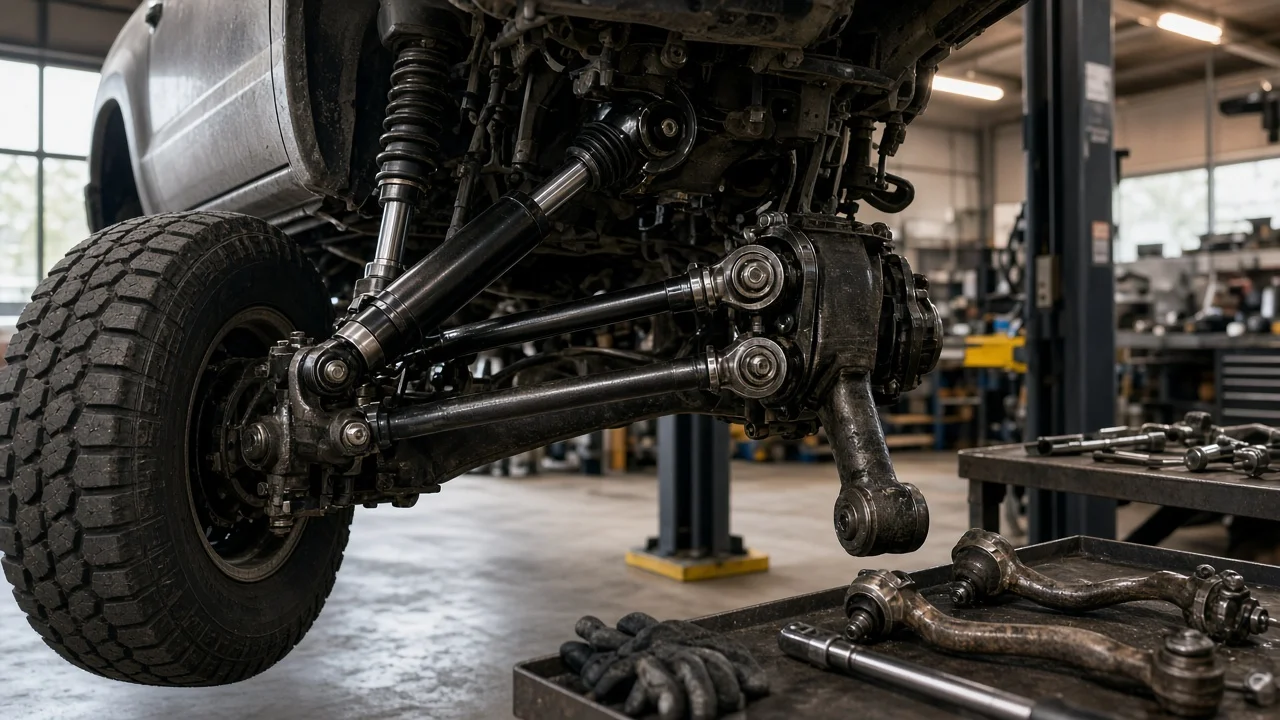
A steering linkage upgrade on a Ram usually replaces the factory tie rod and drag link with heavier tubes, stronger joints or a different layout. Done with the right parts, it can tighten a vague, wandering front end and stand up better to big tires and hard use. Done with the wrong parts, it adds cost without fixing the real problem. This guide explains how to narrow the choice, what to verify before buying, and what the upgrade cannot do.
Define the job the product must do
Start with why you want new linkage. Common reasons include a lift with larger, heavier tires, frequent towing or plowing, off-road use where rocks and ruts load the tie rod, and factory joints that have simply worn out. If your truck runs at stock height on stock-size tires and the only issue is worn ends, a quality OE-style replacement may do the job for less money. A heavier aftermarket system earns its price when tire size, load or terrain is pushing the factory parts beyond what they were designed for.
Be honest about practical constraints as well. A daily driver needs quiet, predictable steering and long joint life, while a trail truck may accept more maintenance in exchange for strength. Decide whether you will install the parts yourself, which requires proper vehicle support on rated jack stands, a way to separate tapered joints and the factory service information for your truck. Before ordering anything, have the front end inspected so you know the symptoms actually come from the linkage rather than another component.
Check compatibility
Most heavy-duty linkage upgrades are built for Ram trucks with a solid front axle, typically four-wheel-drive 2500 and 3500 models. Ram 1500 trucks with independent front suspension use a steering rack with inner and outer tie rods, which is a different category of parts. Confirm model year, generation, drivetrain, axle and whether the truck is a pickup or cab-and-chassis, because steering layouts and joint sizes have changed across generations. Match the kit to the exact listing rather than a broad Ram range.
Next, identify the geometry. Factory systems and aftermarket kits differ in how the drag link connects to the tie rod and knuckles, and some kits convert from one layout to another. Check the mounting points the kit uses: pitman arm, knuckle arms, any tie rod attachment and the taper size of each joint. Some systems require reaming knuckles or a different pitman arm, which adds work and cost. Confirm clearance around the differential cover, steering stabilizer, track bar and springs through full steering lock and suspension travel.
Ride height matters as much as the model year. Many kits are designed for stock height or a specific lift range, and the drag link should run close to parallel with the track bar to limit bump steer. A truck lifted beyond the kit's intended range may need a drop pitman arm or a different track bar setup. Finally, review the fastener specification: which nuts, cotter pins and clamps are included, and where the tightening values come from. Use the kit maker's instructions or factory service data, never a guessed number.
Features that affect the choice
Construction details are the most useful evidence. A manufacturer that publishes tube outside diameter, wall thickness, material and joint type gives you something concrete to compare. Labels such as heavy-duty, extreme or bulletproof tell you nothing on their own. If a listing offers only marketing language, ask the seller for specifications and warranty terms before treating it as an upgrade over a factory part.
Joint design drives ownership. Greaseable joints can be serviced and often last longer under hard use, while sealed joints need no routine attention but are replaced once worn. Some systems use replaceable or rebuildable ends, so a worn joint does not mean buying a whole new tube. An adjustable drag link makes centering the steering wheel easier, and good adjustment sleeves and clamps hold toe settings without slipping. Coatings and plating matter if you drive on salted winter roads.
Treat bundled extras carefully. A steering stabilizer included with a kit can damp vibration, but it does not correct loose parts and can mask a developing problem. Claims that a kit eliminates wobble or bump steer should be read as goals, not guarantees, because results depend on the condition of the rest of the front end and on correct installation and alignment.
Limitations and ownership costs
Budget for more than the parts. Installation involves separating tapered joints, supporting the truck securely, setting toe and centering the steering wheel, and tightening every fastener to the published value with new cotter pins where required. A professional wheel alignment is needed afterward, and conversions that change pitman arms or knuckles add labor. Many kit makers recommend rechecking fastener tightness after an initial break-in period, so plan for that follow-up as well.
Ongoing care depends on the joints you choose. Greaseable ends need regular lubrication, and all joints should be checked for joint play and torn boots during routine service. Consumables are modest but real: grease, cotter pins, sometimes new nuts after removal, and eventually replacement ends. Larger tires and frequent off-road use shorten the interval between inspections.
Linkage alone will not cure every steering complaint. Worn ball joints, failing wheel bearings, a loose track bar or worn track bar joints, play in the steering gear, loose gearbox mounting, out-of-balance or out-of-round tires and incorrect caster can all cause wander or shimmy. Violent front-end shake on solid-axle trucks usually has more than one contributor, so a new tie rod and drag link should be part of a full front-end repair, not a substitute for one.
Build a practical shortlist
Narrow the field with a short checklist. First, compatibility: the kit is listed for your exact year, model, drivetrain and axle, and the seller confirms whether any knuckle machining or pitman arm change is required. Second, geometry: the kit matches your ride height, and you know whether it keeps the factory layout or converts it, along with what clearance issues to check.
Third, published construction details: tube size and wall thickness, joint type and replaceability, and a clear warranty. Fourth, completeness: included hardware, clear installation instructions and a stated fastener specification. Fifth, total cost: parts, any extra components for your lift, alignment, tools you may need and expected maintenance.
Compare two or three systems that pass every item rather than chasing a single best product. If your inspection found other worn parts, price those repairs alongside the linkage so the upgrade has a sound front end to work with. That combination, not the label on the box, decides whether the steering actually feels tighter once the truck is back on the road.