Dodge Ram Shift Lock Release: How to Release the Selector
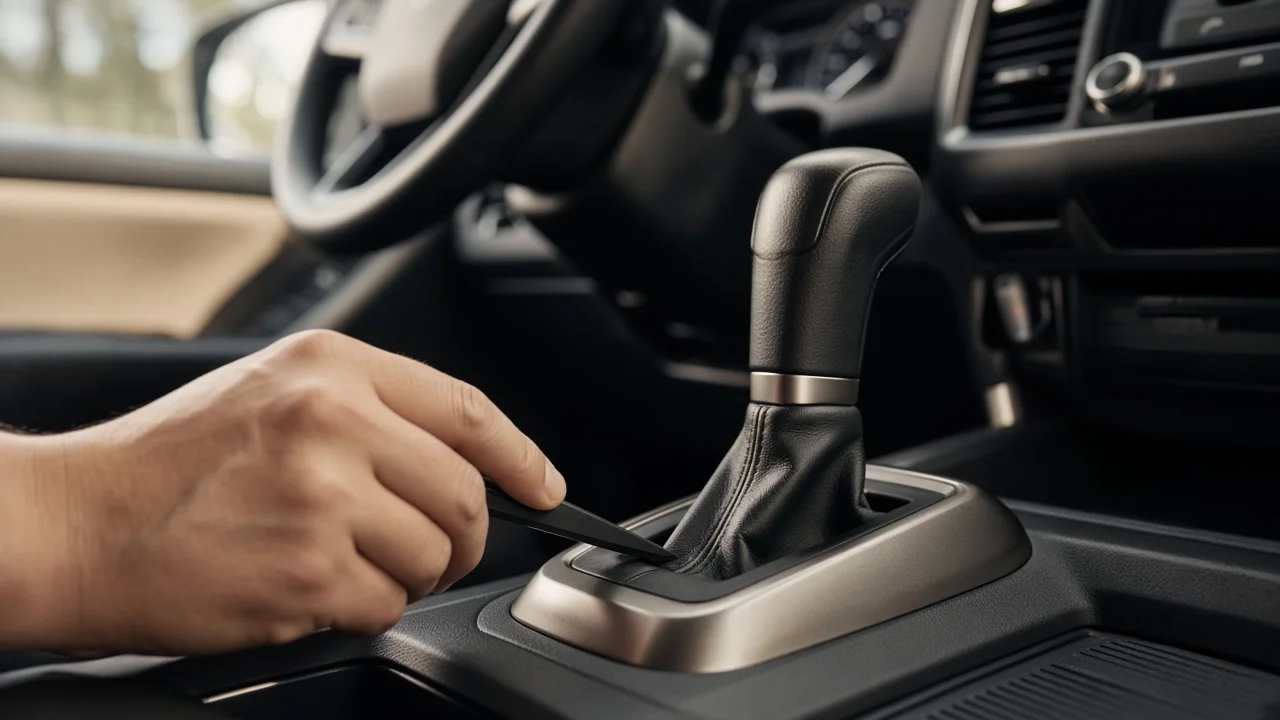
When a Ram won't come out of Park, the cause is usually a shift interlock that is missing the signal it needs, not a broken transmission. How you release the selector depends on whether the truck has a mechanical column lever or an electronic rotary dial, so identify that first. This guide explains how the override works, when to use it, what it cannot fix, and how to plan a proper diagnosis.
What the shift lock release needs to do
The brake transmission shift interlock holds the selector in Park until the ignition is on and the brake pedal is pressed. On a Dodge Ram, a stuck selector usually means the interlock has lost power or the brake signal. Possible reasons include a weak battery, a blown stop lamp fuse, a brake light switch that has failed or slipped out of adjustment, or a fault in the interlock solenoid or column linkage. Each of these is a possibility to check, not a diagnosis. The symptom alone does not tell you which part has failed.
Be clear about the goal before you reach for tools. Usually the job is simply to get the truck out of Park so it can be pushed into a garage, loaded onto a flatbed or moved out of a dangerous spot. Consider the practical constraints as well. Does the battery still have charge? Is the truck on a slope? Is a helper available to steer and brake? Do you have trim tools to remove a cover without breaking its clips?
Identify your shifter and transmission type
Ram trucks have used several shifter designs across generations and trims. Many older and heavy-duty models have a column-mounted lever with a mechanical connection to the transmission, and the interlock sits inside the steering column. Many newer Ram 1500 models use a rotary dial instead. The dial sends an electronic request to the transmission, and no cable runs between dial and transmission. The release procedure differs for each design, so a method that works on one truck can be useless or damaging on another.
Confirm the configuration from three sources: the owner's manual for your model year, the transmission type listed on the build information or window sticker, and what you see in the cab. In the manual, look for a section on shift interlock override or manual park release. That section is the authoritative procedure for your truck. Fitment matters later too. If a brake switch, interlock solenoid or shifter assembly turns out to be faulty, the replacement must match your model year, cab, engine and transmission combination.
How the release methods compare
Restoring power is the least invasive option. With a dead or weak battery, the interlock and an electronic dial may not respond at all. Charge the battery or connect a jump pack correctly, then switch the ignition on and press the brake. Often the selector will then move normally. If that works, the shifting system may be fine, and the battery or charging system needs attention instead.
On a column shifter, the manual release usually means reaching the interlock mechanism inside the column, often by removing a lower trim cover. You then hold the lock out of the way while shifting with the brake pressed. On a rotary dial truck, the manual park release is a separate mechanism, operated as the owner's manual describes, that takes the transmission out of Park mechanically without using the dial. With either design, follow the documented steps and never force the selector or pry on unfamiliar parts. Excess force can break plastic housings, linkage or bushings.
Secure the truck before any override. Set the parking brake, chock the wheels and keep someone in the driver's seat ready to brake. Once Park is released, the vehicle can roll, especially on a grade. After moving it, return the selector or reset the manual park release as the manual directs so that Park works again.
What an override cannot fix
A shift lock release is a temporary way to move the truck, not a repair. It bypasses a safety system, so a Ram that needs the override every time should be repaired before it goes back into daily use. If the brake lights stay off when the pedal is pressed, the fault affecting the interlock may also leave following drivers without a warning. That is a separate safety problem and needs prompt attention.
Ownership costs depend on what is actually wrong, and you won't know that until the fault is diagnosed. A blown fuse or a tired battery is a small fix. A brake light switch is usually a modest parts and labor job. An interlock solenoid, shifter assembly or electronic shift component costs more, and on electronically shifted trucks it may need programming. Diagnostic codes stored in the body or transmission modules can point toward the circuit involved, but a code describes a condition, not a confirmed failed part. A shift lock fault is rarely a fluid problem. Checking the fluid against the correct specification makes sense only if you also notice other shift behavior changes, such as harsh engagement, slipping or delayed gears.
A practical checklist before you act
Work through these checks in order and stop when one solves the problem. First, confirm the shifter type and read the manual's override or manual park release procedure. Next, check battery condition and whether the dash responds normally with the ignition on. Then press the brake and have a helper confirm whether the brake lights come on. If they don't, inspect the stop lamp fuse and the brake switch. Listen near the column or dial for a click from the interlock when the pedal goes down. Finally, scan for diagnostic codes and record them rather than replacing parts based on a code alone.
Then weigh the repair options. If the truck has to move now, use the documented release with the vehicle secured. If the fault is a simple electrical one, such as a fuse or the battery, fix it and confirm the selector works normally. If the cause is the switch, solenoid, linkage or electronic shifter, compare a DIY replacement with a shop visit. Base that choice on your tools, parts fitment, any programming requirements and the truck's service history. Previous column or dash work, a recent battery replacement or an earlier transmission service are all useful clues for whoever does the repair.