Choosing a Dodge Ram Shift Interlock Solenoid
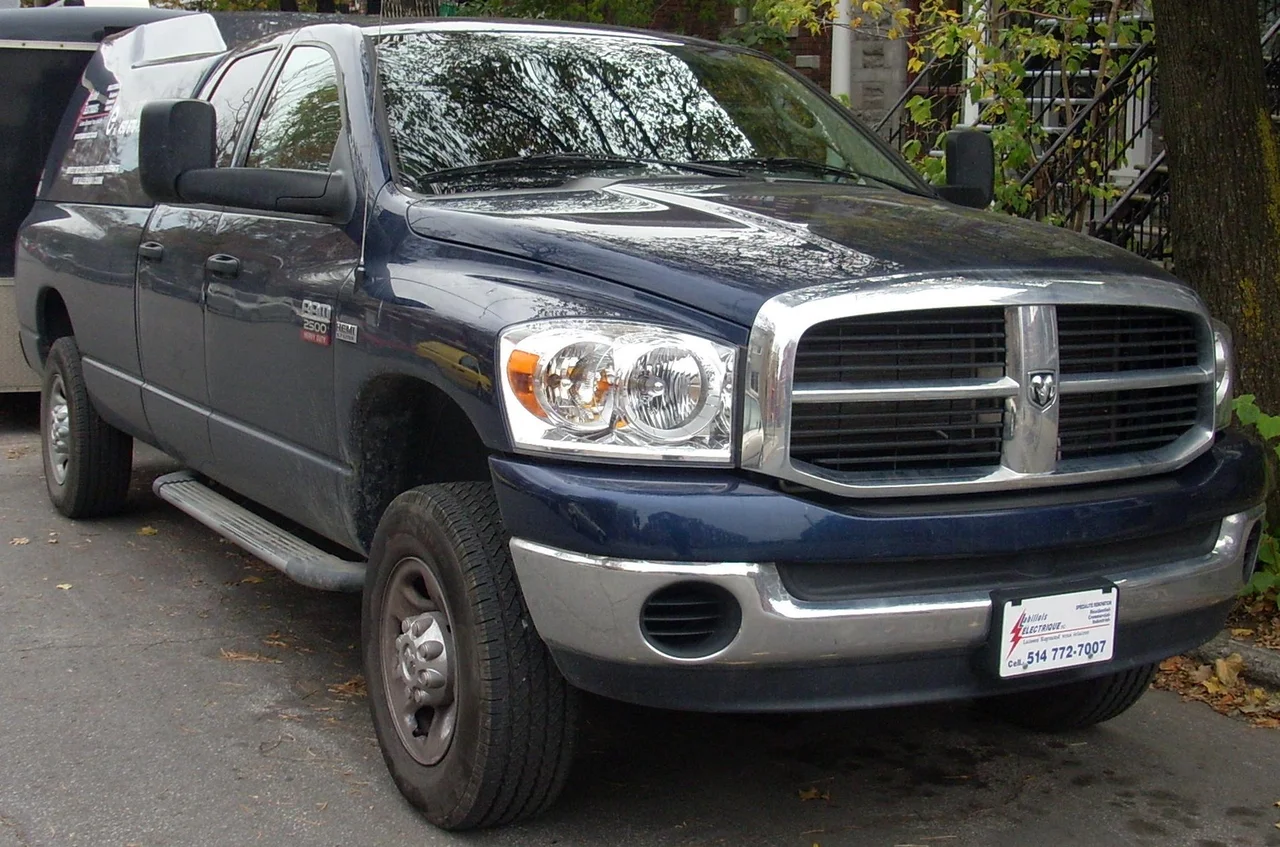
When a Dodge Ram refuses to leave Park, or the shifter moves without the brake pedal pressed, the shift interlock solenoid is a likely suspect but not a confirmed one. This guide explains how to decide whether a replacement solenoid makes sense for your truck, how to match the part to your model year and shifter design, and which features, costs and limits matter before you buy. It covers the interlock only, not the transmission as a whole.
Define the job the product must do
On Ram trucks with an automatic transmission, the brake transmission shift interlock keeps the selector locked in Park until the ignition is on and the brake pedal is pressed. On column-shift trucks the solenoid sits inside the steering column near the shift mechanism, and a signal through the brake switch circuit tells it to release. Trucks with an electronic rotary or shift-by-wire selector handle Park release logic electronically, so there may be no separate interlock solenoid to buy at all. Knowing which design your truck uses is the first step.
Next, be clear about your situation. A truck stuck in Park today needs to be moved safely, and many column-shift models have a shift lock override described in the owner's manual. An intermittent fault on a daily driver allows time for proper diagnosis. Your comfort with working around the steering column, your budget and whether the truck earns money while parked all shape which part and repair route make sense.
Do not treat the symptom as proof of a failed solenoid. A shifter that will not leave Park can also come from a faulty brake lamp switch, a blown fuse, a damaged connector, a misadjusted shift cable, low battery voltage or an ignition problem. A quick first check is whether the brake lights work: if they do not, the switch or its circuit deserves attention before the solenoid. With the ignition on, you can often hear the solenoid click as the pedal is pressed. Scanning for diagnostic codes helps too, since brake switch circuit faults are often recorded. Buy the solenoid only after these basic checks point to it.
Check compatibility
Fitment depends on model year, model and series such as 1500, 2500, 3500 or Chassis Cab, the transmission type and the shifter layout. Rams have used several automatics over the years, including four-speed units such as the 46RE and 47RE, five- and six-speed RFE units, and later eight-speed automatics. A truck with a manual transmission has no shift interlock solenoid of this kind. Column-shift and floor-shift layouts use different hardware, and tilt and non-tilt columns may differ as well, so confirm the part applies to your exact configuration.
The VIN is the most reliable fitment reference, because steering column and harness revisions sometimes changed partway through a model year. If you can reach the old part, compare its connector shape, pin count, mounting tabs and plunger orientation with the replacement, and note any number printed on its label for cross-reference. Later trucks are badged simply as Ram, so parts listings may file them under Ram rather than Dodge; search both when comparing options.
Fluid specification does not apply to this part. The interlock is an electrical and mechanical device, so replacing it requires no fluid service. If shift behavior is harsh, delayed or slipping once the truck leaves Park, that is a separate transmission concern, and any fluid work should follow the specification for your particular transmission.
Features that affect the choice
The main choice is between an original equipment part and an aftermarket one. An OEM solenoid matches the original design and is usually priced higher. Aftermarket quality varies, so look for listings that show the actual part rather than a generic stock image and that state connector and mounting details clearly. Labels such as heavy duty or OE quality are marketing terms unless the seller backs them with specific fitment data and warranty terms.
Some listings offer the solenoid alone, while others bundle it with a harness pigtail or as part of a larger shifter or column assembly. A bare solenoid costs less but may require more disassembly and careful handling of the original wiring. A pigtail is worth having if the existing connector is cracked or corroded. A larger assembly costs more but can be sensible if related shift components are also worn. Useful evidence when comparing sellers includes a fitment table organized by year and transmission, VIN confirmation on request, a stated warranty period and a return policy that covers fitment errors.
Limitations and ownership costs
Installation usually means disconnecting the battery, removing steering column shrouds and working close to the airbag and clock spring, so follow the service procedure for your truck, including the wait time it specifies after disconnecting power. Some configurations require partially lowering the column. Time and difficulty vary by year and layout, and shop labor can exceed the cost of the part. The solenoid itself has no consumables or scheduled maintenance, though its connector can loosen or corrode over time.
A new solenoid cannot fix a faulty brake lamp switch, a misadjusted or stretched shift cable, worn shifter detents, a failing transmission range sensor, an ignition switch problem or an internal transmission fault, and it will not clear codes set by other circuits. Avoid permanently disabling or bypassing the interlock: it is a safety feature that prevents the truck from being shifted out of Park unintentionally.
Realistic repair options include replacing the solenoid, repairing damaged wiring or a connector, replacing the brake switch, adjusting the shift cable, or having a dealer or specialist diagnose an electronic selector. Whatever you do, add it to the truck's service history along with any codes and symptoms. That record makes the next diagnosis faster and helps a future owner or technician avoid repeating the same parts.
Build a practical shortlist
Before comparing products, confirm that your truck has an automatic transmission with a replaceable interlock solenoid, and record the model year, series, VIN, transmission and shifter location. Make sure the brake lights, fuses and connector have been checked and that any stored codes are noted. Then narrow candidates to parts whose connector and mounting match the original, sellers who will confirm fitment by VIN, clear warranty and return terms, and a total cost that includes labor if you will not install it yourself.
There is no single best part for every Ram. The right choice is the one that fits your exact configuration and comes from a seller who stands behind fitment. If the basic checks leave the cause unclear, paying a transmission or automotive electrical specialist for diagnosis often costs less than buying parts on a guess.