Dodge Ram 4WD Actuator Problems: Symptoms, Causes and Checks
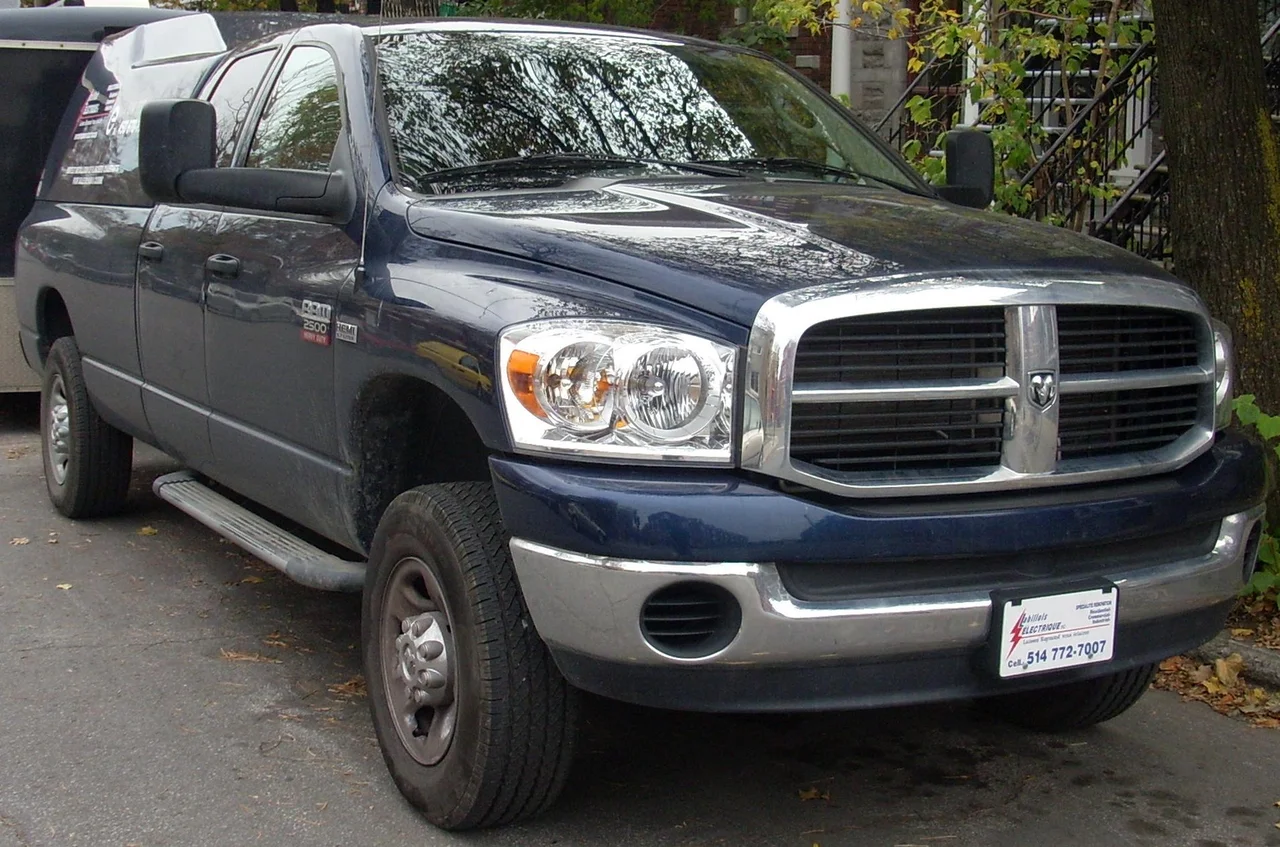
When a Dodge Ram will not shift into four-wheel drive, drops out of it, or shows a flashing 4WD indicator, the front axle actuator usually gets the blame first. It may be the cause, but the same symptoms can come from the vacuum or electrical supply, the transfer case shift system or worn internal parts. This guide explains how to describe the fault, separate the likely causes, run checks in a sensible order and decide what to do next without replacing parts on a guess.
Establish the symptoms
Start with your exact vehicle configuration. Ram trucks have used different 4WD hardware over the years. Depending on model year and drivetrain, the front axle may be connected by a vacuum-operated or an electrically operated disconnect, and the transfer case may be shifted by a floor lever or by a dash switch that commands an electric shift motor. The owner's manual and the service information for your VIN show which system you have, and that decides which checks make sense. A test that applies to a vacuum actuator is meaningless on an electric one.
Next, write down what actually happens. Does the 4WD indicator come on, flash or stay off? On a slippery surface, does the truck still behave like a two-wheel-drive vehicle even though the indicator says 4WD? Note any grinding, clicking or ratcheting from the front axle area, and whether it appears only when turning, only when cold, only after rain or a car wash, or only after a long drive. Record whether the fault is constant or intermittent. Finally, list recent changes: lift or leveling kits, new tires, axle, driveshaft or suspension work, engine repairs that may have disturbed hoses or harnesses, battery disconnection and fluid services. A fault that started right after a repair often points straight at what was touched.
Distinguish plausible causes
The actuator itself can fail. A vacuum unit may have a torn diaphragm and stop holding vacuum, while an electric unit may have a failed motor, internal corrosion or a stuck plunger. An actuator fault is supported when the correct vacuum or voltage reaches it on command and it still does not move. It is weakened when that supply is missing, because a new actuator cannot work without it.
Supply problems are common and cheaper to fix. On vacuum systems, cracked or brittle hoses, loose fittings, a failed control solenoid or a leaking check valve or reservoir where fitted can all prevent engagement. On electric systems, a blown fuse, a corroded connector or a chafed harness near the axle, where water, salt and debris collect, can cut power or ground. Faults that appear in wet or cold weather, or come and go over bumps, lean toward supply-side causes. The transfer case side is another candidate: the shift motor, its position sensor, the selector switch or the control module can keep the system from changing range, which usually brings stored fault codes and an indicator that never confirms the shift. Mechanical wear in the shift fork, sliding collar or splines is suspected when the actuator responds normally but the axle grinds, slips or fails to lock.
Checks in a useful order
Begin with safe observations that need no tools. Confirm you are following the shift procedure in the owner's manual, since some systems expect the truck to be rolling or the transmission in a particular position before certain shifts, and engagement may not complete while stationary. With the engine off, the truck parked on level ground and the parking brake set, look at the visible hoses, connectors and harness routing at the actuator and along the axle and frame for cracks, disconnected lines, melted insulation or green corrosion. Check the fuses related to the 4WD system using the fuse box diagram, and look for fluid leaks at the front axle and transfer case. Never work under a truck supported only by a jack.
The next stage needs tools and specifications. A scan tool that can read the relevant modules will show stored codes and, on some systems, the commanded and reported 4WD state. On a vacuum system, a hand vacuum pump shows whether the actuator moves and holds vacuum, and a vacuum gauge shows whether vacuum actually arrives when 4WD is selected. On an electric system, a multimeter can confirm power and ground at the actuator connector during a commanded shift. Compare every reading with the values in the service information for your vehicle rather than general numbers.
Removing the actuator, inspecting the shift fork and collar, opening the axle or transfer case, and module diagnosis or programming belong with a qualified technician who has the factory procedures for your exact truck.
Interpret the findings
If the correct vacuum or voltage reaches the actuator on command but it does not move, or a vacuum unit will not hold vacuum on the hand pump, the actuator is the likely fault. Before replacing it, confirm that the collar and fork move freely, because a binding or worn internal part can stall a healthy actuator and make it look dead. If the supply is missing, the actuator has not been proven bad; trace upstream through hoses, the solenoid, fuses, wiring and the switch. A fault code identifies a circuit or function that failed a test, not necessarily a failed part, so follow the diagnostic steps for that code before ordering components.
Separate the transfer case from the axle. If a technician finds that the front driveshaft is not driven in 4WD, the problem lies in the transfer case or its controls, and the axle actuator is not the first suspect. If the driveshaft turns but the front wheels do not pull, focus on the axle disconnect. Grinding while the actuator responds normally points to mechanical wear. For intermittent faults, try to reproduce the problem under the same operating conditions you recorded earlier, and note the results alongside the truck's service history so the next inspection starts from evidence rather than guesswork.
Urgency and next action
Stop driving and arrange an inspection if you hear loud grinding or clunking from the front axle or transfer case, feel new vibration, smell hot gear oil, see fluid leaking, or find that 4WD will not disengage. Part-time systems are generally not meant to stay engaged on dry, high-traction pavement, and a stuck system can cause binding, tire scrubbing and hopping in turns that adds stress to the driveline. A truck that simply will not engage 4WD but drives normally in two-wheel drive is less urgent, but do not count on four-wheel drive for snow, off-road use or slippery ramps until it is repaired. There is no reliable figure for how long a faulty system can be ignored.
Give the repair shop the model year, VIN, engine, transfer case and selector type, any fault codes, the conditions under which the problem occurs, recent work and parts already replaced, and records of front axle and transfer case fluid service against the maintenance schedule. Ask for the diagnosis to be confirmed against manufacturer specifications before parts are replaced, so the repair addresses the actual cause rather than the most commonly blamed component.